


 SoftBank Launches $11 Billion Bond Sale to Fund OpenAI Investment
  Scott Bessent Eyed as Trump’s New AI Czar
  US Northeast Airports Resume Operations After Telecom Outage Disrupts Thousands of Flights
  China Reviews Broadcom Switch Use in State Data Centres
  Japan, U.S. Discuss $19 Billion GlobalFoundries Chip Plant
  Physicists zoom into the birth of cosmic rainstorms with new CERN study
  SpaceX Nasdaq 100 Weight to More Than Double in Rebalance
  Burnham Eyes UK Leadership Role in AI Ahead of Trump Meeting
  Meta Partners With Shopify to Bring Shop Pay Checkout to Muse AI
  Cathie Wood Backs AI Slowdown as Safety Concerns Grow
  Meta CEO Zuckerberg Backs Independent AI Safety Reviews Over Development Slowdown
  Westinghouse Targets $50 Billion Valuation in U.S. IPO
  DOJ Will Investigate AI-Related Crimes, Attorney General Blanche Says
  AI is supercharging money scams – here’s what you can do to protect yourself
  Hyundai CEO Warns Chinese Automakers Could Disrupt US Market
  Trump Plans Federal AI Force and AI Czar
  Big AI wants to slow down AI research. Is it a safety pause or a strategic retreat?


 Add as a preferred source on Google
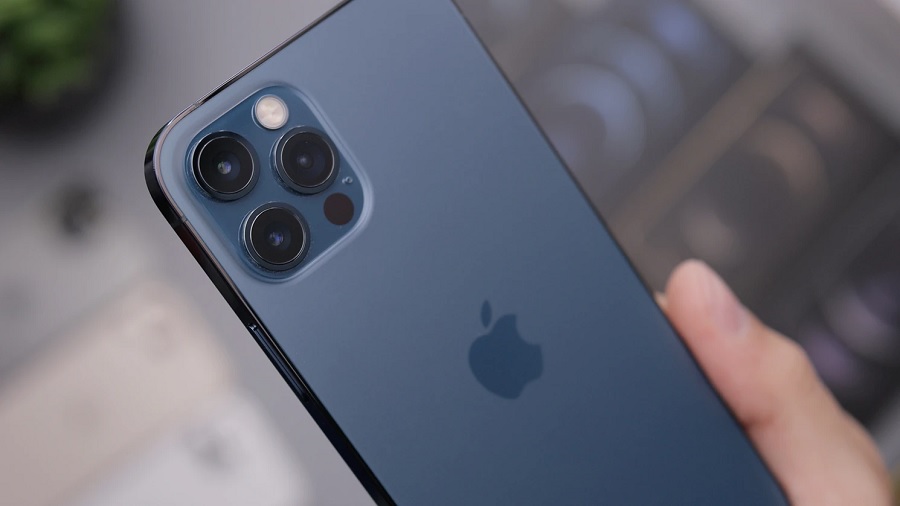
Apple has reportedly made the necessary arrangements to start production of the A15 chipset in late May. Since the next-generation processor is the anticipated processor to power, the iPhone 13 series, this supply chain tip indicates something important about Apple’s next smartphone series.
iPhone 13 specs: Next-generation Bionic processor enters mass production soon
The specifics of the A15 chip’s performance and computing capabilities are still unknown. But Apple has been updating its own SoC series every year for the annual refresh of the iPhone line, so the tech giant is expected to do the same for 2021.
DigiTimes reported (via MacRumors) that Apple has already secured TSMC’s 4nm production capacity for the “new-generation Mac series” as well as the manufacturer's N5P process node for the production of the A15 chip. The latter is expected to kick off in late May, which corresponds with Apple’s usual production schedule in time to release the iPhone 13 in the fall.
Several reports have claimed that 2021 is going to be an “S” year for Apple, so no game-changing upgrades are expected on the iPhone 13 series. However, the core of how it would perform better than its predecessors will largely depend on the architecture of the A15 chip.
Some of the widely reported features to be introduced in the iPhone 13 series are mostly functions that have been rumored over the last couple of years. The Pro models are expected to finally ship with a 120Hz display. The screen is also rumored to get minimal design change with the highly requested smaller notch.
Another series-wide upgrade many are hoping to happen is the return of Touch ID in the iPhone 13 series. Many Apple fans realized they miss the fingerprint-based authentication system since wearing face masks became part of people’s lives for a year now.
iPhone 13 release date: Will it be affected by the ongoing electronic parts shortage?
The same report from DigiTimes does not seem to be sounding the alarm for Apple and the iPhone 13 series and how they could be affected by the ongoing electronic parts shortage. However, Apple’s known manufacturing partner, Foxconn, has recently stated that it is already starting to feel the effects of the parts shortage in March.
Although it is unclear if the problem would affect Apple down the line, iPhone fans might not want to rule out a delay just yet. But if everything else goes as planned, the iPhone 13 could be released as early as September.
Featured photo by Daniel Romero on Unsplash







