


 Nvidia CEO Jensen Huang Expected at Trump-Xi State Dinner
  China Reviews Broadcom Switch Use in State Data Centres
  Physicists zoom into the birth of cosmic rainstorms with new CERN study
  Meta Partners With Shopify to Bring Shop Pay Checkout to Muse AI
  Japan, U.S. Discuss $19 Billion GlobalFoundries Chip Plant
  Westinghouse Targets $50 Billion Valuation in U.S. IPO
  Trump Plans Federal AI Force and AI Czar
  US Northeast Airports Resume Operations After Telecom Outage Disrupts Thousands of Flights
  Rosenblatt Starts Nokia at Buy on AI Networking Growth
  MediaTek Unveils 2nm Dimensity 9600 Pro AI Chip
  Guterres Urges Stronger Global AI Safeguards Ahead of UN Assembly
  Hyundai CEO Warns Chinese Automakers Could Disrupt US Market
  Scott Bessent Eyed as Trump’s New AI Czar
  Databricks to Invest $350 Million in Singapore AI Expansion
  SoftBank Launches $11 Billion Bond Sale to Fund OpenAI Investment
  DOJ Will Investigate AI-Related Crimes, Attorney General Blanche Says
  Cathie Wood Backs AI Slowdown as Safety Concerns Grow


 Add as a preferred source on Google
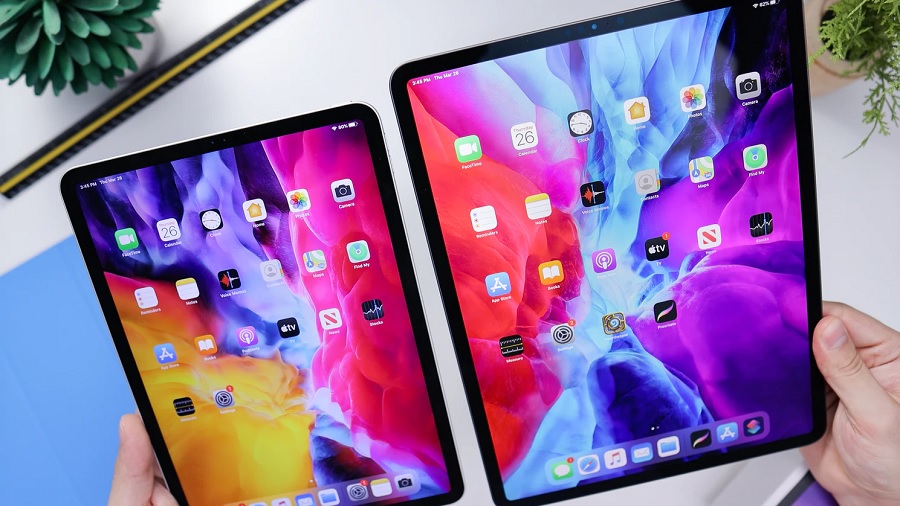
An article got Apple fans excited this week as it mentioned the preparations for OLED adoption have begun for iPad Pro models arriving in 2021. However, major display suppliers Samsung and LG Display, have reportedly “refuted” this claim.
iPad Pro 2021 specs might not include OLED display
Noted display analyst Ross Young reported that Samsung and LG Display denied reports that they have started making arrangements to produce OLED displays for the upcoming iPad Pro series. This follows a report from The Elec that Apple’s major suppliers are already gearing up for OLED display production for the premium tablets slated to launch in the second half of 2021.
Samsung and LG Display each refuted the story about making OLEDs for the iPad Pro in 2021. 2022 may be possible though...
— Ross Young (@DSCCRoss) November 24, 2020
The Korean publication said Samsung Display has designated a factory in Asan, South Korea for the OLED production for upcoming iPad Pros. LG Display has made the same efforts, per the report.
It was also mentioned in the same article that Apple would launch new iPad Pro models in the first half of 2021 with mini-LED backlighting along with liquid crystal displays. Young agreed that the adoption of mini-LED for iPad Pro would happen in 2021.
The adoption of mini-LED on future iPads and Macs have been mentioned in many reports throughout the year. It can be recalled that another well-known analyst, Ming-Chi Kuo, have predicted Apple’s shift to mini-LED for iPads and MacBooks arriving in the market next year.
Despite its name, a device with mini-LED backlighting still uses an LCD panel. But having mini-LED lights helps screens function with better brightness and more vivid colors while preventing burn-in issues and enhancing power efficiency.
iPad Pro 2021: What other upgrades to expect
Aside from the likely adoption of mini-LED, other changes could be applied to the next iPad Pro. Tech fans could look at the new features that Apple made available for the first in the iPhone 12 series to determine the possibilities.
Since 5G connectivity was already introduced in the latest series of iPhone, Apple does not have many reasons not to do the same for the next iPad Pro models. To make this happen, Apple could introduce a new chipset for the next iPad Pro. It remains to be seen if design changes are planned for the upcoming premium tablets.
Featured photo by Daniel Romero on Unsplash







