


 Asian Stocks Steady as AI Shares Rebound Ahead of Fed Decision
  Rodrigo Duterte Makes First Public Appearance at ICC in 18 Months
  US Stocks Rise Ahead of Fed Rate Decision
  Dollar Rises as Fed Hike Bets Weigh on Asian Currencies
  Lula, Flavio Bolsonaro Deadlocked in Brazil Election Polls
  Finland Raises 2026 Growth Forecast as Exports and Investment Surge
  China’s Slower Loan Growth Becomes ‘New Normal’ as Credit Demand Weakens
  Ukraine Tests New Anti-Drone Weapon After Successful Shahed Intercept
  Philippines Holds Historic Bangsamoro Election Amid Tight Security
  Hong Kong Unveils First Five-Year Plan to Boost Finance, Tech and Housing
  Asian Currencies Subdued as Yen Slides Ahead of Fed, BOJ Decisions
  Bill Gates Warns Governments Are Unprepared for AI Disruption
  Saudi Arabia Raises Security Alerts as Houthi Attacks Threaten Oil Routes
  UK Wage Growth Slows as BoE Rate Decision Looms
  Oil Prices Surge as Houthi Attacks Raise Saudi Supply Fears
  US Futures Fall as Fed Meeting, Oil Surge Rattle Markets
  Vietnam, U.S. Firms Plan 29 Deals Across Energy, Tech and Aviation


 Add as a preferred source on Google
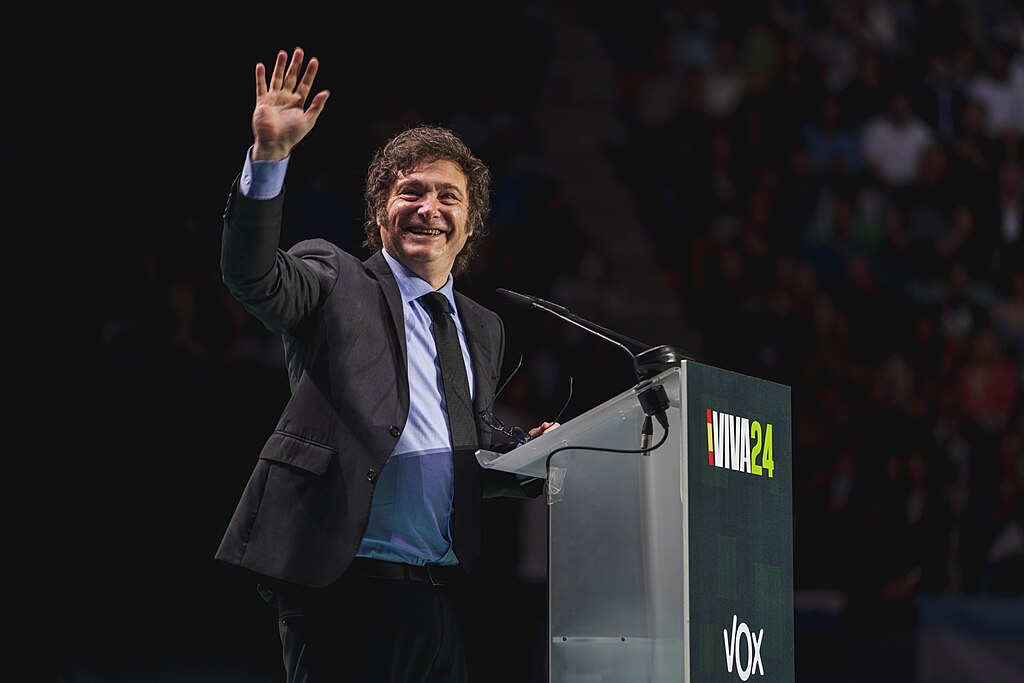
Argentine President Javier Milei has announced an audacious tax reform plan, aimed at eliminating 90% of the nation’s taxes. This bold move, introduced during a televised address on Monday, seeks to overhaul Argentina's struggling economy and attract international investments by creating a simplified tax structure. Milei, a libertarian economist, argued that the existing tax system stifled economic growth and burdened businesses and individuals alike.
Under the proposed reforms, the number of national taxes will drop from 167 to fewer than 20, focusing primarily on value-added tax (VAT) and income tax. The plan also includes the elimination of export taxes, which Milei described as detrimental to Argentina's agricultural sector—a critical component of the country’s economy. The reforms aim to streamline government revenue collection while drastically reducing bureaucratic inefficiencies.
“This is a liberation of our productive forces,” said Milei during his announcement. He emphasized that these changes would empower businesses to expand and generate jobs, ultimately boosting Argentina’s GDP. Economists, however, remain divided over the feasibility and long-term consequences of this unprecedented fiscal policy.
Controversy Over the Economic Impact
Milei’s tax reform plan has sparked heated debate among economists, politicians, and the public. Supporters praise the initiative as a game-changer for Argentina’s ailing economy, predicting a surge in foreign investment and entrepreneurial activity. Critics, however, warn that such drastic cuts could lead to significant shortfalls in government revenue, jeopardizing public services and social welfare programs.
“The risk of widening fiscal deficits is very real,” said economist María López, who noted that Argentina’s existing debt levels could worsen without alternative sources of revenue. Additionally, opposition lawmakers have raised concerns about the speed of the implementation, arguing that the lack of a gradual transition could destabilize the economy.
Milei’s administration has pledged to offset revenue losses by reducing government spending and privatizing several state-owned enterprises. However, critics remain skeptical about whether these measures can bridge the fiscal gap in time to avoid financial turmoil.
Public Reaction Divided Across Social Media
Social media platforms lit up with contrasting opinions on Milei’s tax reform announcement. Many praised the initiative as bold and necessary, while others expressed fears of economic instability.
- @BuenosAiresPatriot: “Finally, a leader who understands how to unleash Argentina’s economic potential! Milei is what we need!”
- @FiscalRealist: “Cutting 90% of taxes is a recipe for disaster. Who will fund healthcare and education now?”
- @AgriInvestor: “Eliminating export taxes will save our farming sector! Long overdue reform. Let’s hope this works.”
- @SkepticalVoter: “Ambitious, yes. Realistic? Not so much. Where’s the plan to handle the revenue shortfall?”
- @FreedomFirst2025: “Milei is showing the world what real economic reform looks like. Other nations should take note.”
- @ConcernedArgentine: “This sounds great on paper, but the devil is in the details. How will this affect us?”







