


 U.S. Issues Cuba Health Alert as Illnesses Rise
  Novo Nordisk Eyes Turnaround as Oral Wegovy Challenges Eli Lilly in Weight-Loss Drug Race
  Alcohol is one of the most dangerous drugs, yet its presence is ubiquitous in social settings and celebrations
  GLP-1 Weight-Loss Drug Use Surges Among U.S. Children
  New Mexico Measles Outbreak Cost Reached $5.4 Million, Study Finds
  France Keeps Top Health Alert as Officials Brace for Another Heatwave
  Venezuela Earthquake Health Risks Rise as Disease Monitoring Intensifies
  Moderna Short Sellers Hit With $4.8 Billion Loss as Stock Soars
  Novartis Shares Plunge After Muscle Drug Fails Phase III Trial
  FDA Weighs Safety Standards for Psychedelic Therapies
  Eli Lilly Eyes AtaiBeckley Acquisition to Expand Psychedelic Mental Health Pipeline
  Hims & Hers Shares Fall as GLP-1 Costs Widen Q2 Loss
  AstraZeneca Shares Sink After Wainua Trial Misses Key Heart Disease Goal
  The government is ‘doubling down’ on its social media ban. But bigger penalties for platforms aren’t enough
  France Battles Mediterranean Wildfires as Heatwave Fuels Fire Risk


 Add as a preferred source on Google
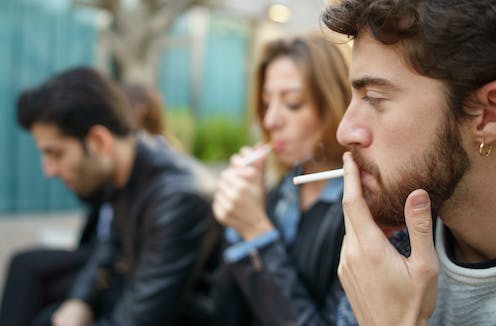

In the UK and much of the west, smoking rates have consistently declined since the turn of the millennium. But during some of the most anxiety-ridden months of the COVID pandemic in early 2020, that rate of decline slowed almost to a stop.
What’s more, despite a rise in the rate of people trying to quit, there was a curious increase in the number of young people (aged 18 to 24) smoking for the first time.
A recent study suggests that the social disruption, boredom and stress brought about by the pandemic may have contributed to a rise in young people taking up smoking.
As a historian of wartime endurance and resilience in modern Britain, I’ve been studying tobacco use from the 1850s to the 1950s. I try to understand why smoking was so central to everyday life during particularly stressful times, like the armed conflicts of the period. Indeed, there has long been a link made between smoking and stress relief.
Smoking as stress relief
Many Victorian and Edwardian writers, including notable doctors and surgeons, showed a keen interest in tobacco. For some, it was the drug of modernity, as its soothing effects (caused by nicotine) were the ideal antidote to the stress and tension that came with the machine age.
The invention of new technology such as the telegraph and railways made life more fast-paced and stressful. As early as the late 1850s, some doctors claimed that people could fall prey to overexcited “nerves” (a common shorthand for the effects of stress that we still use today) if they did not find a calming intoxicant.
From the 1880s, cigarettes were mass produced, reaching more consumers than ever before. Many working-class men switched from the pipe to the cigarette, which was seen as a more practical accompaniment to modern life. It was also cheap: a pack could be picked up and smoked without any prior preparation, for no more than a few pence.
At the turn of the 20th century, even medical journal The Lancet suggested that smoking could ease the “restlessness and irritability” that accompanied urban life. Such an endorsement helped tobacco manufacturers and retailers sell their wares.
But crisis and war have always provided the biggest boost to tobacco use. The onset of the first world war in 1914 ensured the supremacy of the cigarette in Britain. By Christmas 1914, more than 96% of British soldiers were smokers, and both the government and civilians at home sent, literally, tonnes of tobacco to the front.
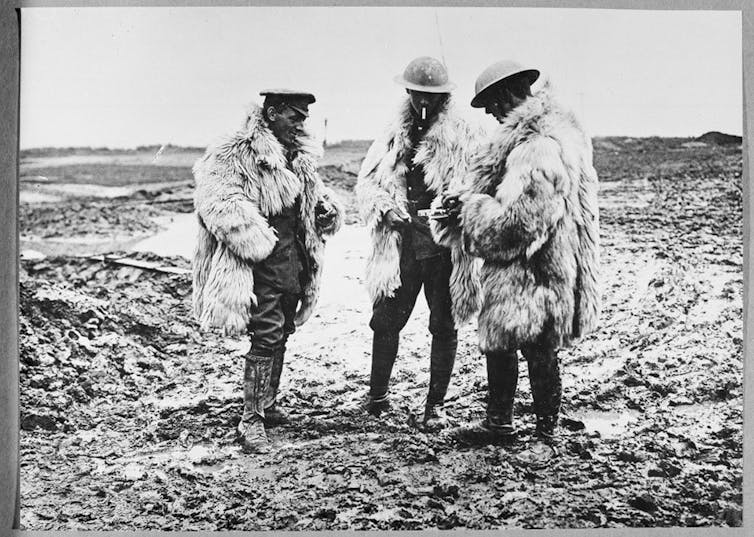
British soldiers take a smoking break on the western front during the first world war. National Army Museum
Cigarettes didn’t just ease the boredom of life in the trenches, they were seen to improve the mental and physical wellbeing of servicemen. As The Lancet put it in October 1914:
To the soldier and the sailor in the present war, with his nervous system in a ceaseless state of tension from the dangers and excitement, tobacco must be a real solace and joy when he can find time for this well-earned indulgence.
Nurses even administered cigarettes to injured men in hospitals. In earlier conflicts, including the Boer war (1899-1902) and the Crimean war (1853-56), many military and medical writers had said much the same thing. But the machine-made cigarette made smoking more accessible.
Concerns about young smokers
For the late Victorians and Edwardians, the ease with which the cigarette habit could be acquired was a source of worry, as more and more young people seemed to be falling under tobacco’s spell.
As I’ve found when reading journals from the early 1900s at the British Library, smoking was seen by some doctors and anti-tobacco activists to cause bad manners and antisocial behaviour in idle young boys. It was also purported to stunt their growth.
This was a period where fears of national decline and “degeneration” abounded, especially after the poor physical condition of working-class army recruits was discovered during the Boer war. Such views are, therefore, understandable. Smoking was endangering the health of the next generation and, by extension, the health and longevity of the British empire.
In many ways, these fears never really went away, particularly about the effects of smoking on future generations. However, anti-tobacco public health messages and smoking cessation programmes would not become common until after the link between smoking and lung cancer was proved in the 1950s.
We can now add recent crises such as the COVID pandemic to the timeline of historical smoking boosters. Even if wars and pandemics are clearly different kinds of crisis, they both lead to widespread anxiety and stress, providing a perceived need for soothing, often psychoactive, remedies.
Much like the young soldiers who had to endure a mix of intense stress and numbing boredom in the major wars of the modern era, the new, youthful smokers of the pandemic perhaps lit their first ever cigarette to deal with life in lockdown.







