


 Japanese Yen Rebounds as Trump Flags Currency Weakness
  Asian Stocks Fall as Surging Bond Yields Rattle Markets
  Canadian Dollar Faces Pressure as Fed-BoC Policy Gap Widens
  Mexico-US Trade Talks Delayed to October as Tariff Negotiations Continue
  Gold Prices Fall as Treasury Yields Rise on Fed Rate Hike Bets
  US 10-Year Treasury Yield at 6% Emerges as New Market Risk Threshold
  Gold Holds Near $4,275 as Rising Treasury Yields Fuel Fed Rate Hike Bets
  RBI Uses $10 Billion Currency Swaps to Drain Excess Rupee Liquidity
  Asian Stocks Fall as Bond Yields Surge Ahead of Trump-Xi Summit
  Japan Private-Sector Growth Slows as Domestic Demand Weakens
  US Stock Futures Fall as Treasury Yields Surge Ahead of Trump-Xi Summit
  Soybean Futures Slip as Traders Await Trump-Xi Trade Signals
  Oil Prices Jump 3% as Houthi Attack Revives Supply Fears
  European Stocks Fall as Bond Yields and Geopolitical Risks Weigh
  Oil Prices Ease as Iran Tensions Clash With Diplomacy Hopes


 Add as a preferred source on Google
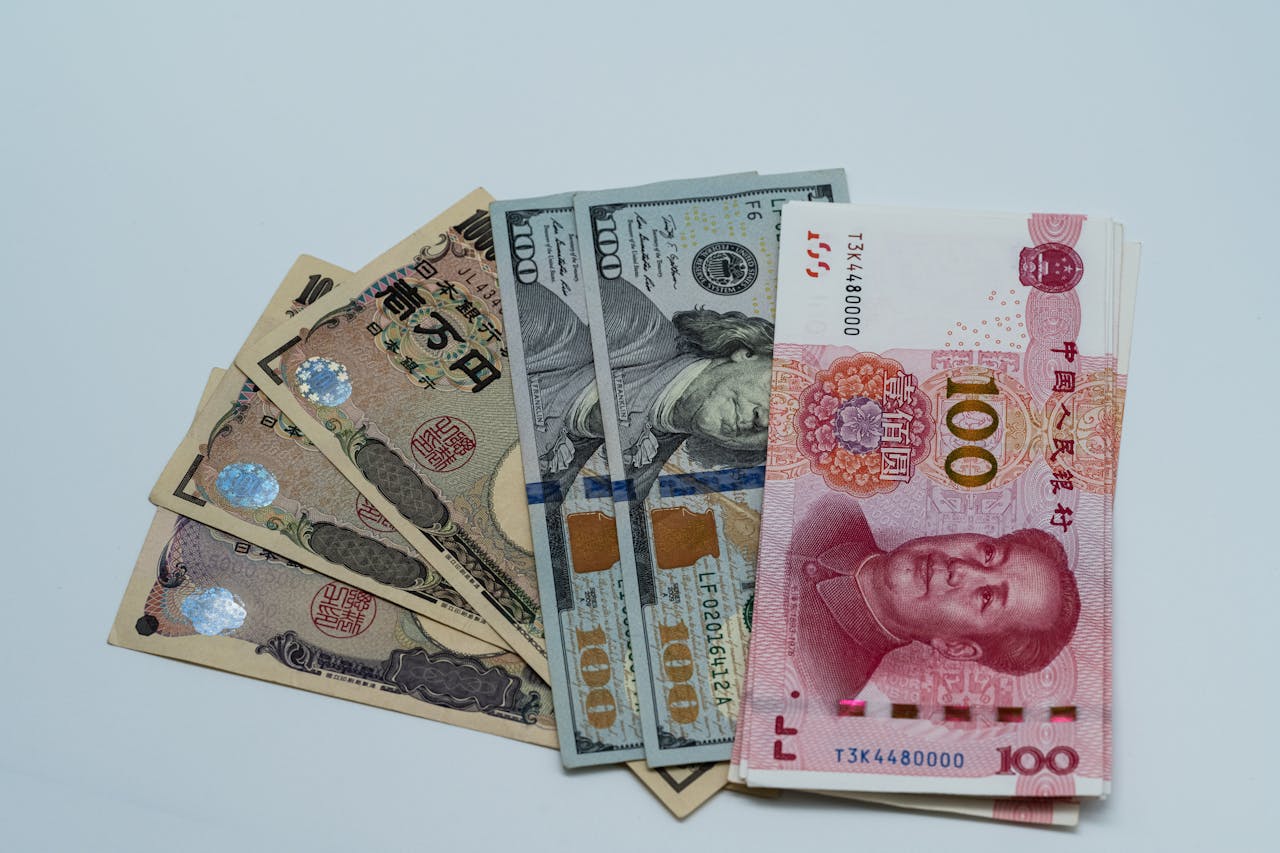
The yen regained its footing on Wednesday in early Asian trading as investors moved into traditional safe-haven assets following a multi-day global stock selloff. After touching a nine-month low against the U.S. dollar on Tuesday, the yen edged up 0.1%, trading around 155.49 per dollar. Meanwhile, the U.S. dollar index held steady near a one-week high at 99.594, supported by increased demand for U.S. Treasury bonds.
Global equity markets have faced heavy pressure this week, with the S&P 500 extending its losing streak to four sessions. Concerns over lofty valuations in AI-related stocks have weighed heavily on sentiment, and U.S. equity futures continued to slide during Asian hours on Wednesday. Market anxiety deepened after U.S. initial jobless claims data showed a notable rise in Americans receiving unemployment benefits from mid-September to mid-October.
Tony Sycamore, market analyst at IG in Sydney, noted that this was the first major data release from the Department of Labor since the U.S. government shutdown began on October 1, adding that the results were “not great.” He emphasized that the upcoming delayed release of September’s non-farm payrolls report would be a more critical gauge of economic momentum.
Investor expectations for Federal Reserve policy also shifted slightly. Fed funds futures are now pricing a 46.6% chance of a 25-basis-point rate cut at the December 10 meeting, up from 42.4% the previous day, according to CME’s FedWatch tool. However, divisions within the Fed remain, with officials split between prioritizing labor market support and managing inflation risks.
Political pressure added another layer of uncertainty. U.S. President Donald Trump renewed criticism of Fed Chair Jerome Powell, whose term ends in May. According to Treasury Secretary Scott Bessent, Trump is expected to review the final shortlist of candidates after Thanksgiving and may announce his pick before Christmas.
In currency markets, the Australian dollar slipped to $0.65085 as wage data showed steady third-quarter growth, while the New Zealand dollar dipped 0.2% to $0.5659. The euro traded near a one-week low at $1.1580, and the British pound was steady at $1.3148.
Japan continued to increase its holdings of U.S. Treasuries for the ninth consecutive month in September, maintaining its position as the largest foreign holder with $1.189 trillion—its highest level since August 2022.







