


 Gold Drops Over 1% as Dollar, Treasury Yields Surge on Fed Rate Hike Bets
  Fed Unveils Stablecoin Rules Under GENIUS Act
  Mexico-US Trade Talks Delayed to October as Tariff Negotiations Continue
  US Dollar Hits Two-Month High as Fed Rate Hike Bets Rise
  China’s ‘Lipstick King’ Says AI Won’t Replace Livestream Hosts
  South Korea, US Discuss Warship Building Cooperation
  Wall Street Falls as Treasury Yields Surge, Oil Rebounds on Iran Tensions
  Dollar Hits Two-Month High as Fed Rate Hike Bets Rise
  Australia Unemployment Hits Five-Year High Despite Strong Jobs Growth
  Asian Currencies Mixed as Dollar Holds Near Two-Month High
  Fed Unveils Stablecoin Rules Under GENIUS Act
  US 10-Year Treasury Yield at 6% Emerges as New Market Risk Threshold
  Gold Prices Fall as Treasury Yields Rise on Fed Rate Hike Bets
  RBI Uses $10 Billion Currency Swaps to Drain Excess Rupee Liquidity
  European Stocks Slip as Iran Tensions Offset Strong Eurozone Data
  US, China Extend Trade Truce to Jan. 10 Ahead of Trump-Xi Summit
  Oil Prices Surge as U.S.-Iran Diplomacy Hopes Fade


 Add as a preferred source on Google
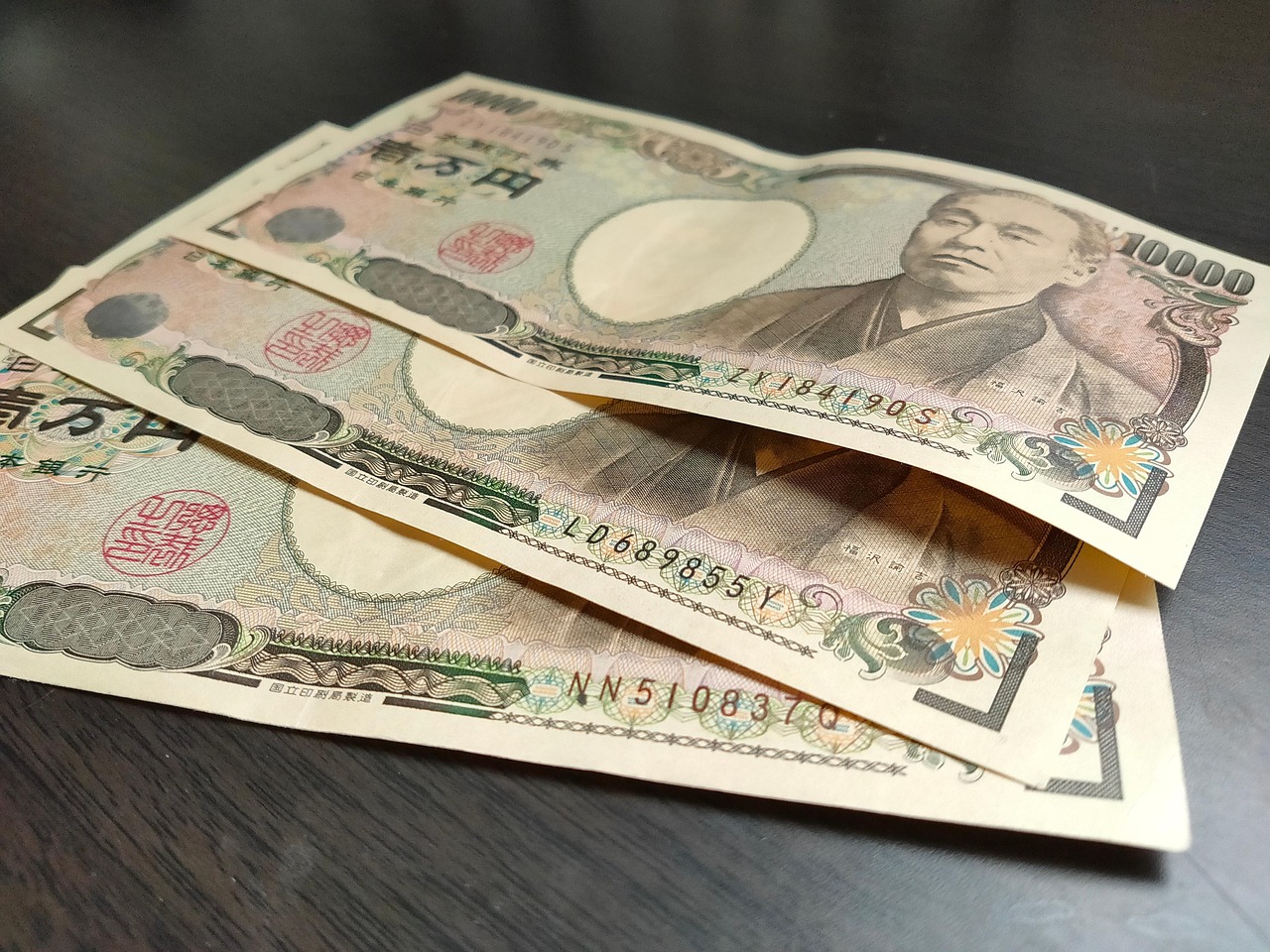
The Japanese yen remained close to its weakest level in nearly four decades on Friday, as concerns over Japan’s fiscal outlook and limited impact from recent policy actions continued to pressure the currency. Market participants are increasingly watching for another round of government intervention as the yen hovers near critical levels against the U.S. dollar.
The yen strengthened slightly by 0.1% to 161.205 per dollar after sliding to a two-year low on Thursday. Trading activity remained subdued due to public holidays in the United States and several Asian markets. Despite Japan’s Ministry of Finance conducting dollar-selling intervention earlier this year and the Bank of Japan (BOJ) raising interest rates to their highest level in 31 years last week, the currency has struggled to regain momentum.
Investor sentiment has also been weighed down by concerns surrounding Prime Minister Sanae Takaichi’s spending plans, raising doubts about Japan’s fiscal discipline. According to IG market analyst Tony Sycamore, Japanese authorities are likely to defend the 161.95 level if tested, potentially deploying intervention measures similar in scale to those carried out in April and May, totaling approximately ¥11.7 trillion.
Meanwhile, Japan’s economic data showed annual core inflation remained below the BOJ’s 2% target for a fourth consecutive month in May. Government fuel subsidies helped offset higher raw material and energy costs linked to recent Middle East tensions. However, Capital Economics expects inflation to accelerate toward 3.5% by early 2027 as higher energy costs gradually feed into utility bills and consumer prices.
Minutes from the BOJ’s April policy meeting revealed that some board members favored faster interest rate increases if geopolitical tensions persist and inflation risks intensify. BOJ Deputy Governor Ryozo Himino reiterated that the central bank remains prepared to continue raising rates should underlying inflation exceed its target.
In broader currency markets, the U.S. Dollar Index held near 100.81 after reaching a one-year high. The British pound traded steady at $1.3205 after the Bank of England left interest rates unchanged at 3.75%, while the euro remained stable at $1.1459. The Australian dollar edged lower to $0.7011, and the New Zealand dollar held at $0.5756.
Cryptocurrency markets were also relatively quiet, with Bitcoin slipping 0.2% to $62,868 and Ether remaining unchanged near $1,709.







