


 BHP's Incoming CEO Visits China Amid Pricing Dispute with CMRG
  Bill Ackman Eyes New Fund to Bet Against Market Complacency
  Paramount Skydance Secures $24B from Gulf Sovereign Wealth Funds for Warner Bros. Discovery Takeover
  Pony.ai, Uber, and Verne Launch Europe's First Commercial Robotaxi Service in Zagreb
  UAE's Largest Natural Gas Facility Suspended After Attack-Triggered Fire
  Disney Plans to Cut 1,000 Jobs Amid Ongoing Restructuring Efforts
  China's AI Stocks Surge as Zhipu and MiniMax Hit Record Highs
  Foreign Investors Pour $18.65 Billion into Japanese Stocks Amid Market Stabilization
  Kia Cuts EV Sales Target for 2030 Amid Slowing Demand and U.S. Policy Shifts
  FedEx Pilots and Union Reach Tentative Agreement on 40% Pay Increase
  SpaceX IPO: Retail Investors to Play Historic Role in Record-Breaking Public Offering
  Deere & Company Agrees to $99 Million Settlement Over Right-to-Repair Dispute
  OpenAI Executive Shake-Up Ahead of Anticipated 2026 IPO
  Chalco Stock Surges as Q1 2025 Profit Forecast Jumps Up to 58%
  Apple's Foldable iPhone Faces Engineering Setbacks, Mass Production Timeline at Risk
  Bank of America Identifies Top Asia-Pacific Semiconductor Stocks Poised for AI-Driven Growth


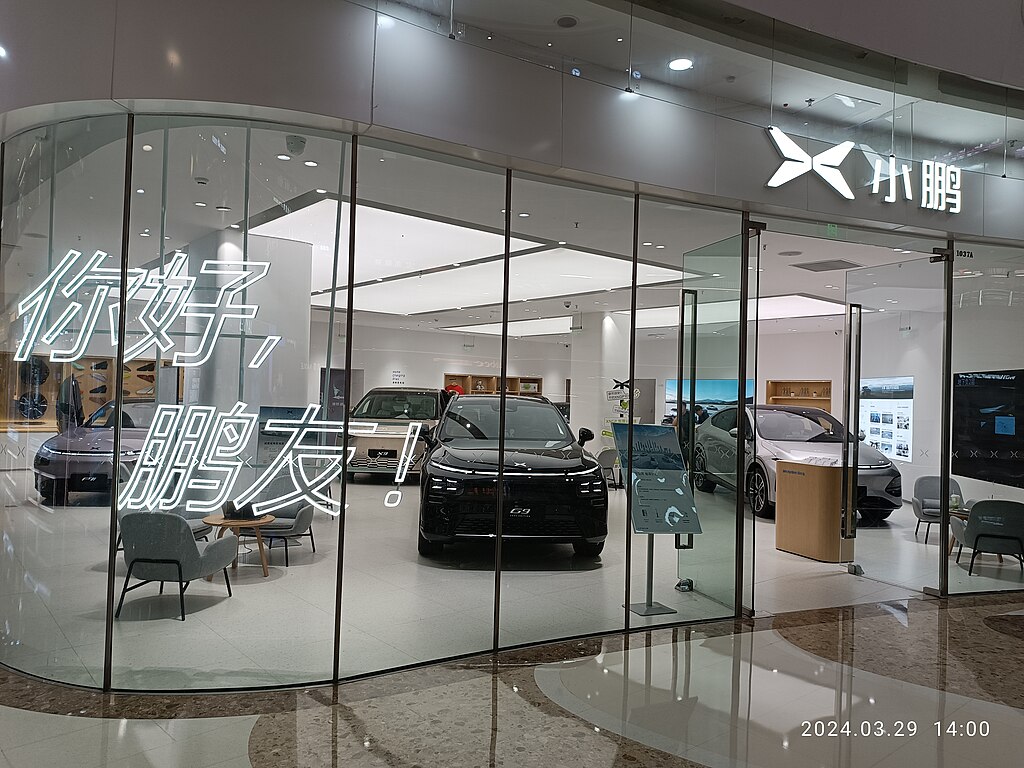
Chinese electric vehicle (EV) manufacturer Xpeng Motors (NYSE:XPEV) confirmed on Wednesday that it has conducted a comprehensive analysis of its supply chain to minimize exposure to escalating U.S.-China trade tensions and new tariffs introduced by President Donald Trump. The company aims to maintain operational resilience as geopolitical uncertainty threatens global supply chains.
Speaking to reporters in Hong Kong, Xpeng President Brian Gu said the company’s current sales have not been affected by the ongoing trade dispute. However, he emphasized that Xpeng is actively monitoring the situation, acknowledging that broader economic volatility remains a concern for the industry. Gu noted that while Xpeng has not yet faced direct disruptions, the unpredictable nature of tariff-related policies means the company must remain agile.
The EV industry has come under increasing pressure amid heightened U.S.-China tensions, with supply chain logistics, semiconductor availability, and cross-border regulations all presenting potential challenges. Xpeng’s proactive stance reflects the broader trend among Chinese automakers to localize operations and secure critical components in the face of trade uncertainty.
As one of China’s leading electric vehicle brands, Xpeng is focusing on sustainability and smart mobility while expanding its footprint in both domestic and international markets. Despite global headwinds, the company remains committed to innovation and market growth, particularly in the face of stiff competition from Tesla and other global EV giants.
By reinforcing its supply chain strategy, Xpeng aims to maintain production stability and protect shareholder value as trade dynamics between Washington and Beijing continue to evolve. Investors and industry watchers will be closely tracking the company’s next moves as U.S. policy shifts unfold.







