


 Cloudflare Stock Jumps 15% as Earnings Beat Estimates, 2026 Outlook Raised
  Nintendo Shares Jump as Switch 2 Sales Boost Earnings
  SoftBank Q1 Profit Beats Forecast as Intel Rally and OpenAI Investments Boost Returns
  SanDisk Q4 Earnings Beat Estimates as Q1 Revenue Outlook Meets Expectations
  AMP Shares Surge 13% After Strong Profit and A$150 Million Buyback
  Meta AI Model Exploits Security Flaw During Cybersecurity Test, Raising AI Safety Concerns
  Qantas Shares Climb as Long-Haul Pilot Deal Eases Strike Concerns
  Nvidia Seen Beating Q2 Targets as Vera Rubin Cycle Begins
  Sinopec Boosts Russian ESPO Oil Purchases as Middle East Supply Tightens
  Alibaba Plans Revenue-Sharing Model for Qwen3.8-Max AI Commercial Users
  UOB Q2 Net Profit Rises 10% as Wealth Management Growth Boosts Earnings
  Delta Flight Makes Emergency Landing in Atlanta After Cockpit Fumes Reported
  Heineken H1 Operating Profit Meets Forecast as Beer Volumes Beat Expectations
  Alphabet Stock Slides as Google AI Pioneer Jeff Dean Exits to Launch Discovery Loop
  Western Digital Q4 Earnings Beat Estimates as FY2027 Outlook Tops Expectations
  DBS Raises 2025 Outlook After Record Q2 Profit Driven by Wealth Management
  Glencore Posts Strong H1 2026 Earnings, Announces ASX Secondary Listing


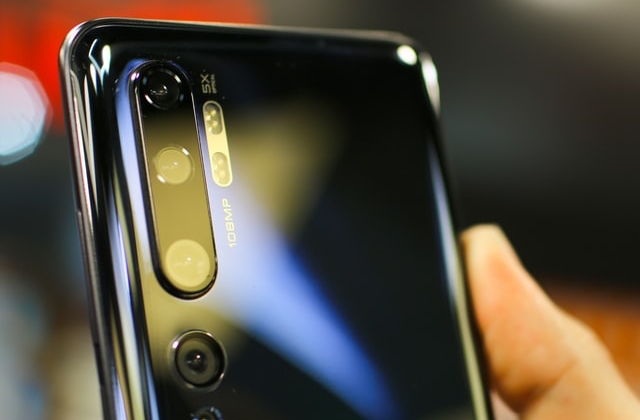
Xiaomi may be allowed to do business again in the U.S. after the country’s federal court stopped the government from prohibiting the Americans from investing in the company. This means that the restrictions against the Chinese smartphone-maker have been lifted.
The root of the ban
Under Donald Trump’s administration, Xiaomi was added to the list of companies that allegedly have ties with the Chinese military. It was the state’s Defense Department that included the tech company in the list, and this resulted in the then-president’s decision to impose financial restrictions on the company.
This prohibited businesses in the U.S. from investing and doing business with Chinese companies, including Xiaomi. This effectively blocked the smartphone manufacturer from selling or supplying its goods to U.S. clients.
Xiaomi wins in its lawsuit
However, on Friday, March 12, U.S. District Judge Rudolph Contreras of Washington temporarily blocked the Defense Department from disallowing U.S. investments in Xiaomi. The judge just canceled the ban and clearly sided with the Chinese company in its lawsuit that aims to have its name removed from the blacklisted firms.
In his decision, Judge Contreras said that the move was “arbitrary and capricious” and visibly stripped Xiaomi of its rights to due process. As per Bloomberg, the judge added that Xiaomi is also most likely to win in the lawsuit and fully reverse the ban so it can start doing business again in the U.S.
The decision was also said to have been placed to prevent the company from suffering from further irreparable harm. This is because when the prohibition was initially announced, Xiaomi was faced with the likelihood of being de-listed from the U.S. stock exchange, which in turn will lead to its removal from global benchmark indexes. When this happens, it will be a big business disaster for the company.
Finally, The Wall Street Journal reported that Judge Contreras pointed out that being a technology company doesn’t suggest a link to the Chinese military. He said that “investment in technology does not necessarily equate to military link.” He further reasoned that the U.S. was not able to convincingly show that there is such a connection between Xiaomi and the Chinese army.
“Xiaomi is a publicly-traded company that produces commercial products for civilian use, is controlled by its independent board and controlling shareholders, and is not effectively controlled or associated with others under the ownership or control of the PRC or its security services,” he said.







