


 OpenAI Launches GPT-6 Astra With Advanced AI Agent Capabilities
  SpaceX Turbine Push Unlikely to Threaten Howmet, Bernstein Says
 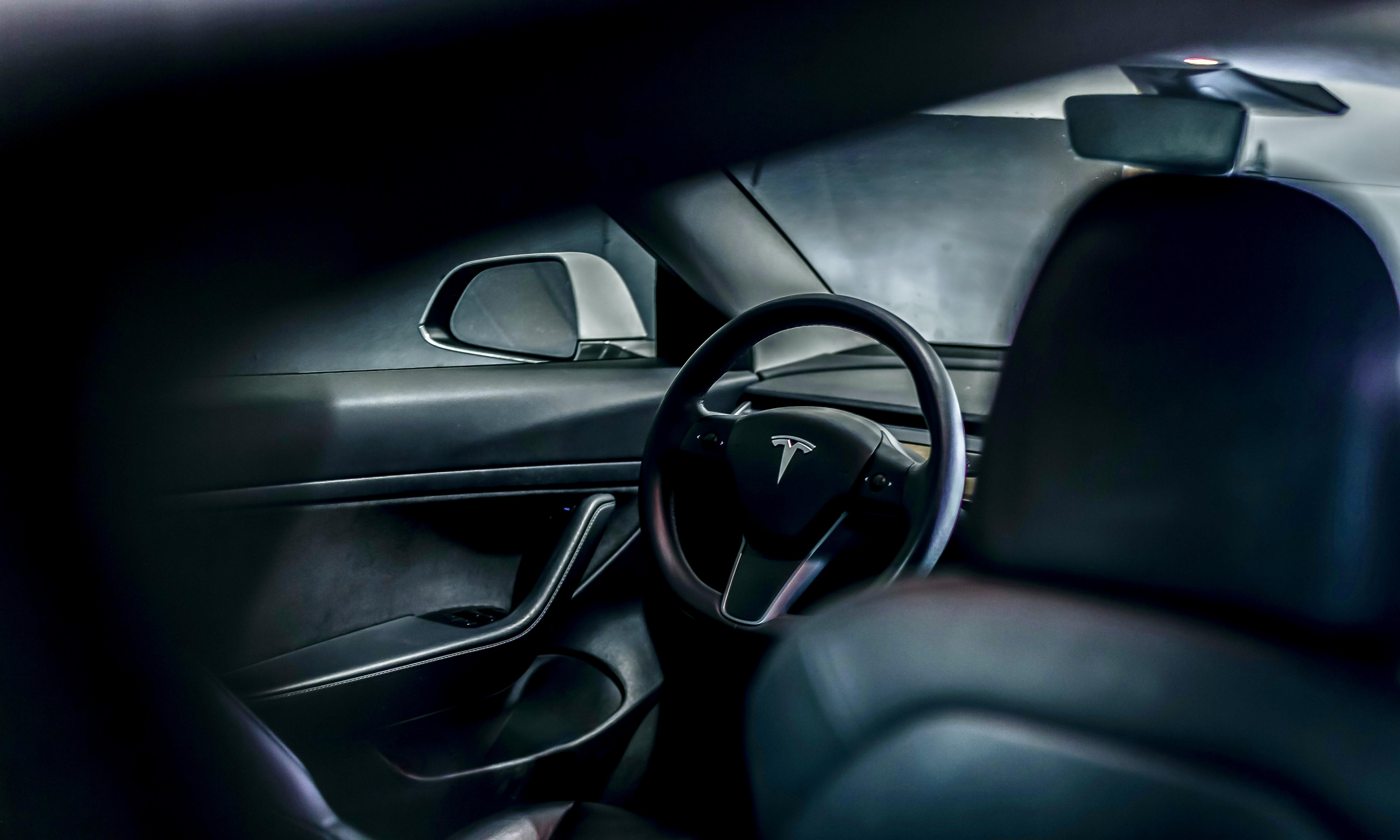 Tesla Cybercab Launch Puts Robotaxi Ambitions in Focus
  Adobe Names Anil Chakravarthy CEO as AI Push Accelerates
  Anthropic IPO Marketing Expected to Start in Mid-October
  Tesla Cybercab Rides Launch in Austin as NHTSA Reviews Rollout
  Honda Targets $9.4 Billion in Cost Cuts as China EV Competition Intensifies
  Shein Shares Drop 5% After Weak Hong Kong IPO Debut
  SEC Seeks ISS Client Voting Records in Proxy Adviser Probe
  US Tech Giants’ AI Bond Boom Raises Euro Zone Borrowing Risks
  MongoDB Stock Sinks 14% as Atlas Growth Misses Expectations
  Xiaomi Shares Jump on Europe EV Expansion Plan
  Lynas Rare Earths Shares Rise After Takeover Talks Revealed
  Thomson Reuters C-Track Cyberattack Hits Courts Across U.S. and Canada
  Nvidia Eyes $2.5 Billion Investment in Thinking Machines Lab
  Berkshire Hathaway Eyes Bigger Stakes in Japan’s Top Trading Houses
  GSM Eyes US, Europe Expansion Ahead of 2028 Hong Kong IPO


 Add as a preferred source on Google
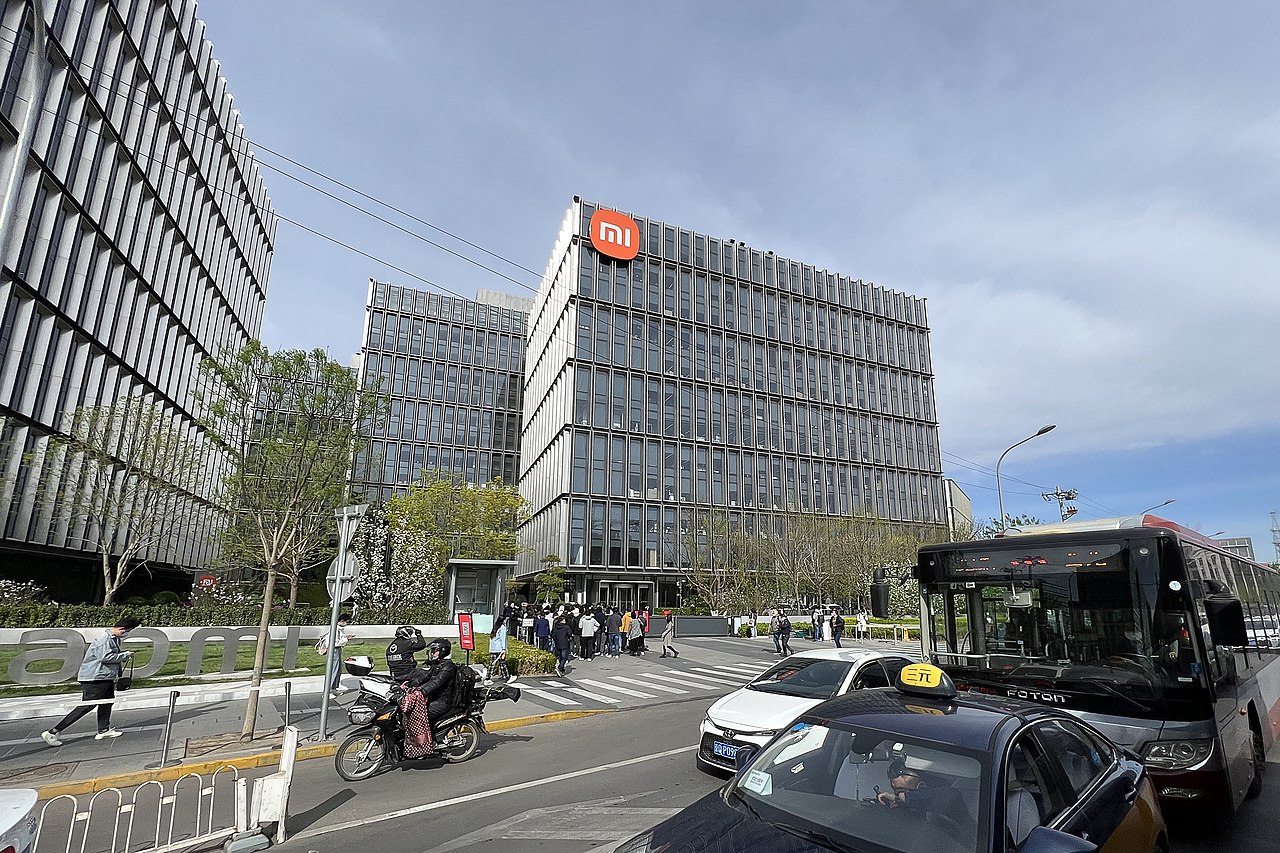
On Thursday, Chinese smartphone maker Xiaomi revealed its highly anticipated electric vehicle, the SU7. With ambitions to become one of the world's top five automakers, Xiaomi aims to make a splash in the competitive electric vehicle market.
However, the launch of the SU7 coincides with challenges in China's auto industry, including overcapacity and slowing demand.
The SU7 and Shared Operating System
According to Reuters, the SU7 sedan is expected to leverage Xiaomi's popular phones by incorporating a shared operating system. The Star said this integration with the company's existing technology adds a unique selling point to the new electric vehicle.
Xiaomi Chief Executive Lei Jun wasted no time expressing his ambitious vision for the company's automotive venture. Lei aims to build "a dream car comparable to Porsche and Tesla" and sees Xiaomi as one of the world's top five automakers in the next 15 to 20 years. Additionally, he hopes to contribute to the growth and development of China's automobile industry.
Diversification into EVs
other tech giants, Xiaomi is venturing beyond its core business to explore electric vehicles. In 2021, the company announced its plans to invest $10 billion over the next decade in its electric vehicle business, officially registered as Xiaomi EV, Inc. This strategic move reflects Xiaomi's commitment to innovation and expansion into the rapidly growing EV market.
Xiaomi shared its electric vehicle plans during its investor day, which led to a significant surge in its shares on the Hong Kong stock exchange. Investors showed confidence in Xiaomi's capability to thrive in the competitive automotive industry.
With a dedicated team of 300 employees in 2021, Xiaomi is committed to long-term success in the electric vehicle market. The company's substantial investment into its EV business demonstrates its determination to establish a strong presence in the industry.
Overcoming Challenges
The timing of Xiaomi's entry into the electric vehicle market presents challenges. China's auto industry faces a capacity glut and slowing demand, leading to intense price competition. Xiaomi will need to navigate these obstacles to achieve its ambitious goals.








.jpg)