


 US, Denmark and Greenland Set to Sign Arctic Security Deal
  Trump Says ‘Freedom’ Is Coming to Cuba
  Russian Strikes Kill Eight Across Ukraine as Energy Sites Hit
  UK, Mauritius Seek Diego Garcia Base Deal
  Vietnam, US Trade Deal Could Be Signed Soon, To Lam Says
  US Plans Two New Military Bases in Greenland Under Arctic Deal
  Paramount-Warner Bros $110 Billion Deal Draws Antitrust Backlash
  Trump Meets Venezuela’s Delcy Rodriguez at UN Assembly
  Taiwan Vows to Advance US Arms Sales Ahead of Trump-Xi Meeting
  Trump to Press Xi on Release of US Nuclear Expert Held in China
  Trump Scales Back Endangered Species Act Protections
  Trump Says U.S.-Iran Peace Deal Near After UN Talks
  Marco Rubio to Meet Russia’s Lavrov in New York
  Iran Vows ‘Crushing’ Response as US Talks Continue
  Zelenskiy Warns Russia Preparing Major Attack on Ukraine
  CNN, MS NOW and Politico Sue Trump Over White House Media Ban
  Macron, Trump Discuss Ukraine-Russia Energy Strike Moratorium


 Add as a preferred source on Google
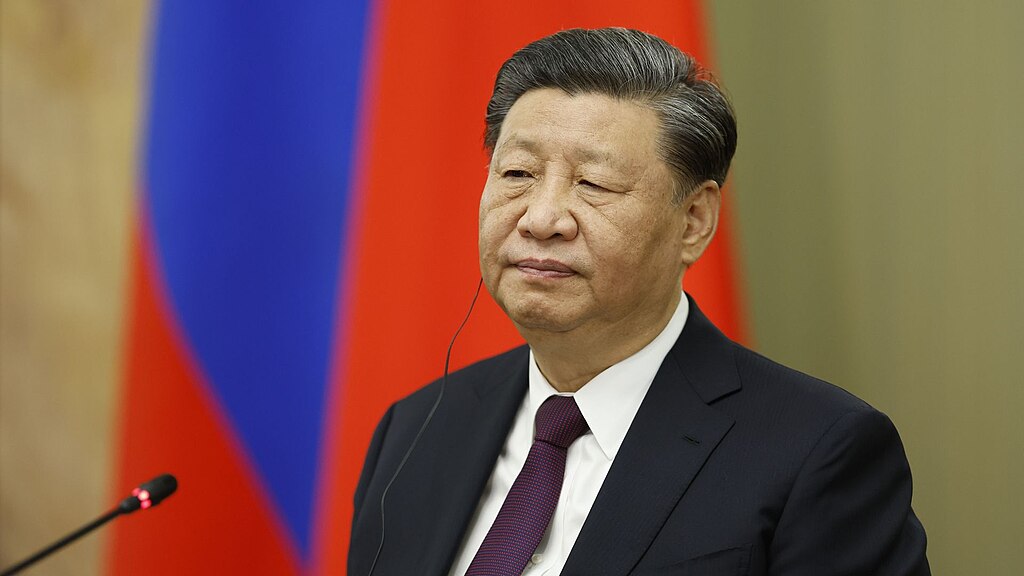
Chinese President Xi Jinping arrived in Pyongyang for a two-day state visit, marking his first trip to North Korea in seven years. The visit comes as North Korean leader Kim Jong Un appears increasingly confident, backed by stronger ties with Russia, continued nuclear weapons development, and limited interest in reengaging with the United States.
The summit highlights China’s efforts to reinforce its relationship with North Korea and reassert influence over its longtime neighbor. Relations between Beijing and Pyongyang have improved in recent years, with both countries restoring some rail and air connections and increasing diplomatic exchanges.
Xi’s visit differs significantly from his 2019 trip, which took place shortly after the collapse of nuclear negotiations between Kim and then-U.S. President Donald Trump. Since then, North Korea has deepened military and economic cooperation with Russia, including sending troops to support Moscow’s war effort in Ukraine. Pyongyang has also continued advancing its nuclear program despite international sanctions.
Ahead of Xi’s arrival, North Korea showcased its growing military capabilities by announcing plans for a 10,000-ton naval destroyer and reaffirming its status as a nuclear-armed nation. Analysts say these moves reflect Kim’s growing confidence and strategic leverage.
While political and security issues remain important, economic cooperation is expected to dominate discussions between Xi and Kim. North Korea is pursuing a five-year development strategy focused on housing construction, infrastructure improvements, and tourism expansion.
Tourism remains a key sector for North Korea’s economy. Before the COVID-19 pandemic, Chinese visitors accounted for the vast majority of foreign tourists. As border restrictions continue to ease, Pyongyang hopes to revive tourism as a valuable source of foreign currency.
Despite closer cooperation, China continues to oppose North Korea’s nuclear ambitions publicly. However, experts believe Beijing is unlikely to exert significant pressure as long as Pyongyang avoids creating major regional instability. Meanwhile, Kim has made clear that expanding North Korea’s nuclear arsenal remains a top priority, signaling that denuclearization talks are unlikely to resume anytime soon.







