


 Hyundai CEO Warns Chinese Automakers Could Disrupt US Market
  Trump Scales Back Endangered Species Act Protections
  SpaceX Nasdaq 100 Weight to More Than Double in Rebalance
  fnny Beta Launches With a Simple Idea: Find an Event, Show Up, Get Rewarded
  China Reviews Broadcom Switch Use in State Data Centres
  Cathie Wood Backs AI Slowdown as Safety Concerns Grow
  US Northeast Airports Resume Operations After Telecom Outage Disrupts Thousands of Flights
  SoftBank Launches $11 Billion Bond Sale to Fund OpenAI Investment
  AI is supercharging money scams – here’s what you can do to protect yourself
  FDA Weighs Safety Standards for Psychedelic Therapies
  Scott Bessent Eyed as Trump’s New AI Czar
  U.S. Imposes New Visa Restrictions Over South Africa Policies
  Databricks to Invest $350 Million in Singapore AI Expansion
  Meta CEO Zuckerberg Backs Independent AI Safety Reviews Over Development Slowdown
  Who should own the knowledge that underpins AI technology?
  Westinghouse Targets $50 Billion Valuation in U.S. IPO
  DOJ Will Investigate AI-Related Crimes, Attorney General Blanche Says


 Add as a preferred source on Google
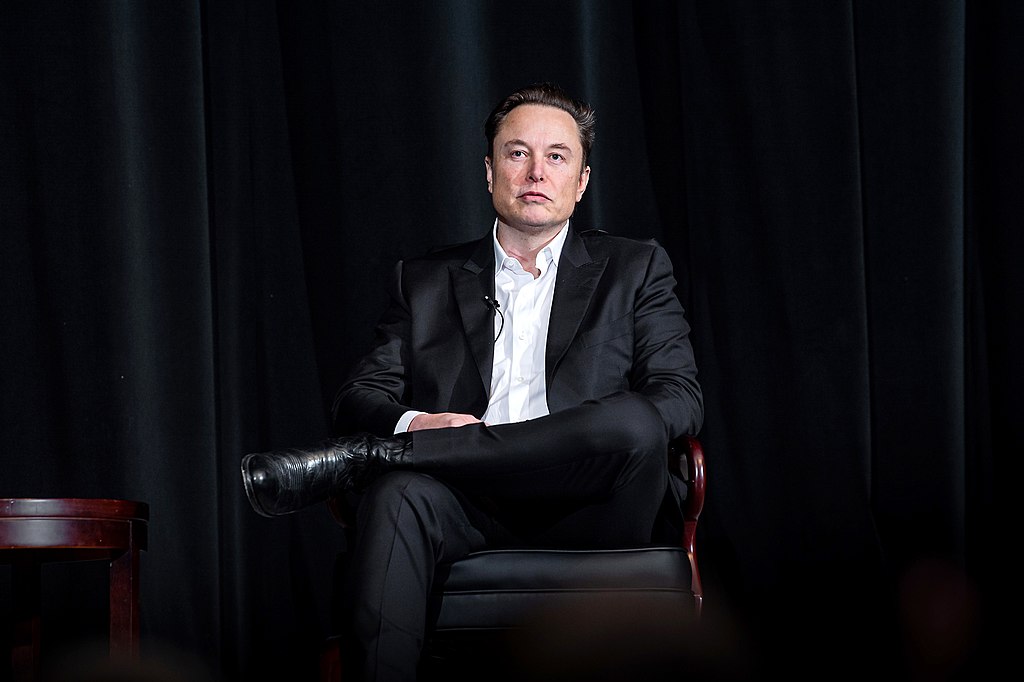
Elon Musk’s social media platform X has criticized Australia’s proposal to expand the powers of its online safety regulator, arguing the changes could conflict with U.S. law, threaten international legal principles, and negatively affect the country’s digital economy.
The dispute centers on Australia’s landmark social media law, which bans children under the age of 16 from holding social media accounts. The legislation, which took effect last December, was the first of its kind globally and has faced strong opposition from major U.S.-based technology companies.
In a submission to an Australian Senate committee, X objected to proposed amendments that would grant the eSafety Commissioner broader authority to demand documents during investigations and increase the maximum penalty for non-compliance to A$99 million (US$69 million). The company argued that the proposed rules could force individuals and organizations outside Australia to provide information solely because they are affiliated with a company under investigation, creating potential conflicts with international legal standards and undermining respect for foreign legal systems.
The filing also warned that the proposed legislation fails to adequately consider procedural fairness, privacy rights, online services, and the broader impact on Australia’s digital economy. The debate has drawn additional attention after a U.S. congressional committee invited Australia’s eSafety Commissioner to testify, alleging the regulator’s actions could threaten free speech protections in the United States. Musk has previously described Australia’s under-16 social media ban as a “backdoor way to control access to the internet.”
Despite the law taking effect months ago, studies and eSafety data indicate that many Australian teenagers under 16 continue to maintain social media accounts. The regulator has said it is preparing enforcement action against five online platforms but has been limited by its current investigative powers. It argues that stronger authority is needed to obtain documents from both technology companies and third-party age verification providers.
Industry group DIGI, along with Google’s YouTube and TikTok, urged lawmakers to clarify the proposed rules, while maintaining that no fully reliable method currently exists to identify and block all underage users. Australia’s Parliament has not yet approved the expanded enforcement bill, and the Senate committee is expected to deliver its recommendations on August 25.







