


 Time to buy local: war fuel price shocks reveal the folly of a long food supply chain
  The American mass exodus to Canada amid Trump 2.0 has yet to materialize
  What is Zionism? The different meanings of a contested term
  Gaza Faces Evacuation Crisis as War-Damaged Buildings Risk Collapse
  Trump Board of Peace Unveils $2.45 Billion Gaza Recovery Plan
  Ghana Says Western Support Growing for Slave Trade Reparations
  Trump to Press Xi on Release of US Nuclear Expert Held in China
  Taiwan Vows to Advance US Arms Sales Ahead of Trump-Xi Meeting
  Zelenskiy Warns Russia Preparing Major Attack on Ukraine
  US, China Extend Trade Truce to Jan. 10 Ahead of Trump-Xi Summit
  Lula and Flavio Bolsonaro Tied in Brazil Runoff Poll
  China Tightens Fentanyl Rules Ahead of Trump-Xi Summit
  6 simple questions to tell if a ‘finfluencer’ is more flash than cash
  Locked up then locked out: how NZ’s bank rules make life for ex-prisoners even harder
  Europe Warns Russia Is Escalating Hybrid Attacks Across NATO
  Booked to travel through the Middle East? Here’s why you shouldn’t cancel your flight
  Office design isn’t keeping up with post-COVID work styles - here’s what workers really want


 Add as a preferred source on Google
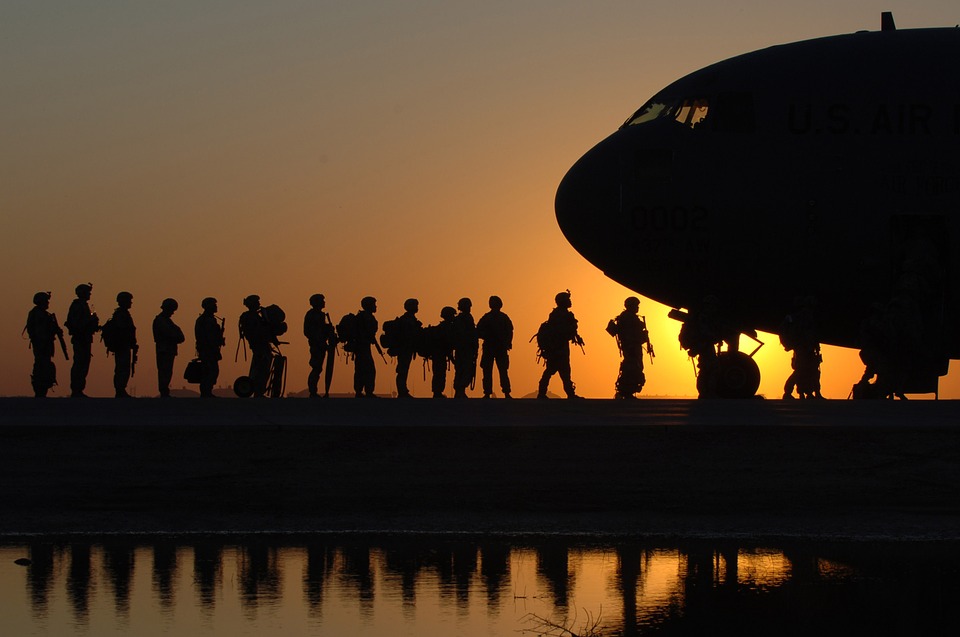
Several countries find themselves at odds over deals and ideologies and geographic landscapes, with India and China being two of the countries that have long-running disputes with each other. As China continues to assert its military strength, India has pushed back, saying that it is prepared for any potential threats, stoking fears of a world war 3.
India’s home affairs minister Amit Shah recently said that India is prepared for any potential threats, especially from China. India and China have a long-running dispute over the Himalayan border, the region known as Ladakh. Shah also stressed that India is firm in its stance over control of Ladakh and thus is ready to fight back against possible overstepping by the Chinese military. Shah’s comments follow China president Xi Jinping’s instruction that the country’s military should prepare for war.
“We are vigilant for every inch of our land, no one can take it away,” said Shah. “Our defense forces and leadership are capable of defending the country’s sovereignty and border. Every nation is always ready. That’s the purpose of maintaining armies -- to respond to any form of aggression.”
Both China and India have deployed 50,000 of their troops to the Ladakh border, both sides armed with their latest weapons and systems. The two countries have yet to reach a resolution to the border conflict even after many negotiations over the border. As part of the truce made in 1962, there was a 2,100-mile long Line of Actual Control yet there is no official border.
The United States and Russia also find themselves at odds, and a potential world war 3 could spark between them if conflicts escalate. With the nuclear arms treaty nearing its expiration in early 2021, Russia has proposed an extension of the said agreement. However, Donald Trump’s administration has turned down the proposal out of concern that Russia will try and add to their stockpile of nuclear weapons despite the treaty being set in place.
National security adviser Robert O’Brien announced the administration’s rejection of the proposal. O’Brien explained that the US had already made a proposal to extend, but only if both countries halt developing more nuclear weapons for the meantime. In a statement, O’Brien called Russia’s proposal a “non-starter.”







