


 Yes, government influences wages – but not just in the way you might think
  Time to buy local: war fuel price shocks reveal the folly of a long food supply chain
  Why have so few atrocities ever been recognised as genocide?
  How to support someone who is grieving: five research-backed strategies
  UK, France Pledge Stronger Military Support for Ukraine
  What’s the difference between baking powder and baking soda? It’s subtle, but significant
  Canada Announces Dollar-for-Dollar Retaliation Against 50% U.S. Tariffs
  Google promotes ‘teacher approved’ apps for kids. Here’s what parents should know
  Why financial hardship is more likely if you’re disabled or sick
  Heritage, desire and diplomacy: why China still values scotch whisky
  Trump Vows Tougher Iran Sanctions as US Weighs New Economic Pressure
  Iran Vows Retaliation as U.S. Expands Sanctions Pressure
  Netanyahu Says Iran Tried to Kill His Son
  Debate over H-1B visas shines spotlight on US tech worker shortages
  Russian Drone Strike on Kryvyi Rih Shopping Centre Kills 15


 Add as a preferred source on Google
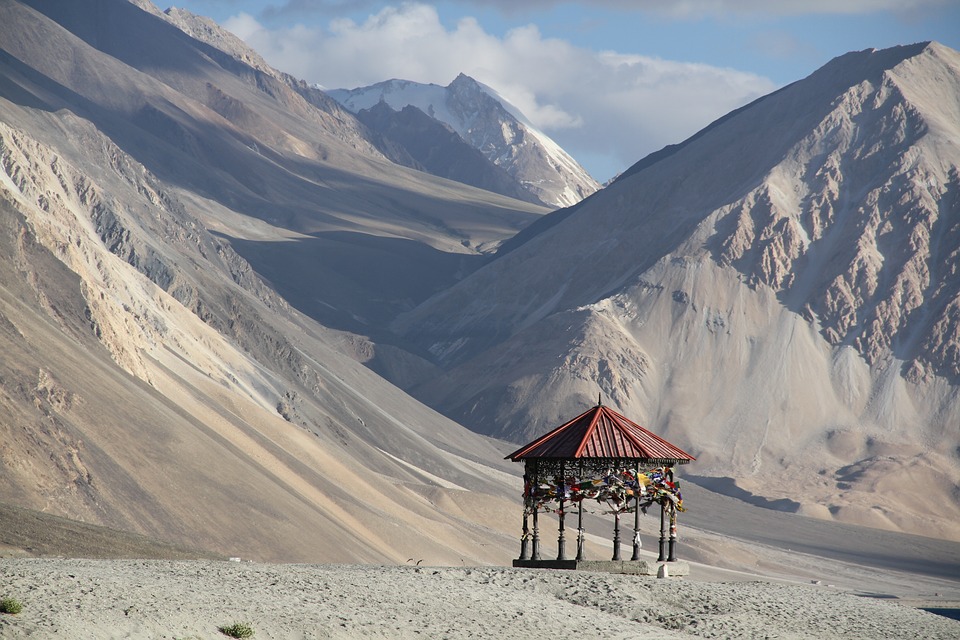
India and China have a long-running dispute over control of the Himalayas which spans across both countries, with fears that World War 3 may break out from the deep-seated conflict. India recently announced the provocative measures taken by Beijing troops to try and demonstrate its power and attempt in breaking the military ceasefire.
Express reports the Indian army released a statement regarding the attempts by Beijing troops to break the ceasefire set in place over the longtime border dispute over the weekend. They noted the provocative demonstrations being done by Beijing’s troops.
“On the night of 29/30 August 2020, PLA troops violated the previous consensus arrived at during military and diplomatic engagements during the ongoing standoff in Eastern Ladakh and carried out provocative military measures to change the status quo,” said the statement.
India’s military was also revealed to successfully intercept these attempts by strengthening their stance at the south bank of Pangong Tso Lake. The last serious altercation happened back in June, when 20 Indian soldiers were killed by Chinese troops at the Kashmir region. It was the first heated altercation in 45 years. Many of the Indian soldiers that were killed died as a result of the freezing temperatures in the terrain after they fell or were pushed into the river.
Since the encounter, the Galwan river valley has seen an increase in numbers of Indian soldiers.
Meanwhile, China’s tensions with the United States as well as other Asian countries in the long-disputed South China Sea have since escalated. This has led the US and Japan to establish an alliance in an effort to destabilize China’s attempts at asserting control over the South China Sea.
US Defense Minister Mark Esper met with his Japanese counterpart Taro Kono in Guam over the weekend. During their meeting, they reaffirmed their countries’ opposition against attempts at aggressively changing the “status quo” over the South China Sea. According to Kono, Esper reiterated Washington’s pledge to help defend Japan’s control of the East China Sea islets.
“As for the South and East China seas, we confirmed that Japan and the United States will strongly oppose unilaterally changing the status quo by force,” said Kono during a virtual press conference.







