


 Trump’s White House Ballroom Project Draws Criticism Amid Rising Gas Prices
  Rubio Says NATO Must Benefit All Members Ahead of Sweden Meeting
  Russia Launches Massive Missile and Drone Strike on Kyiv Amid Oreshnik Threat
  Israel Faces Global Backlash Over Gaza Flotilla Activists’ Treatment
  Iran-U.S. Talks Continue as Strait of Hormuz and Uranium Dispute Stall Peace Efforts
  U.S. Sanctions Tanzanian Police Official Over Human Rights Violations
  Chicago U.S. Attorney Drops Charges Against Broadview Protest Defendants
  Israeli Airstrike in Gaza Refugee Camp Kills Infant and Parents Amid Fragile Ceasefire
  Trump Says Iran Peace Deal Could Reopen Strait of Hormuz as Nuclear Talks Advance
  Iran Pushes Nationalist Propaganda as Economic Crisis and War Deepen
  China Coal Mine Explosion Death Toll Revised to 82 in Shanxi
  US Approves $108 Million Hawk Missile System Support Package for Ukraine
  DHS Threatens to Halt International Airport Processing in Sanctuary Cities
  Xi Jinping Orders Full Rescue After Shanxi Coal Mine Gas Explosion Kills Eight
  U.S. Military Drill Over Caracas Raises Tensions in Venezuela
  Trump-Lai Call Remains Uncertain as U.S.-China Tensions Over Taiwan Intensify
  Trump-China Summit Yields Limited Progress on Trade and Tech Cooperation


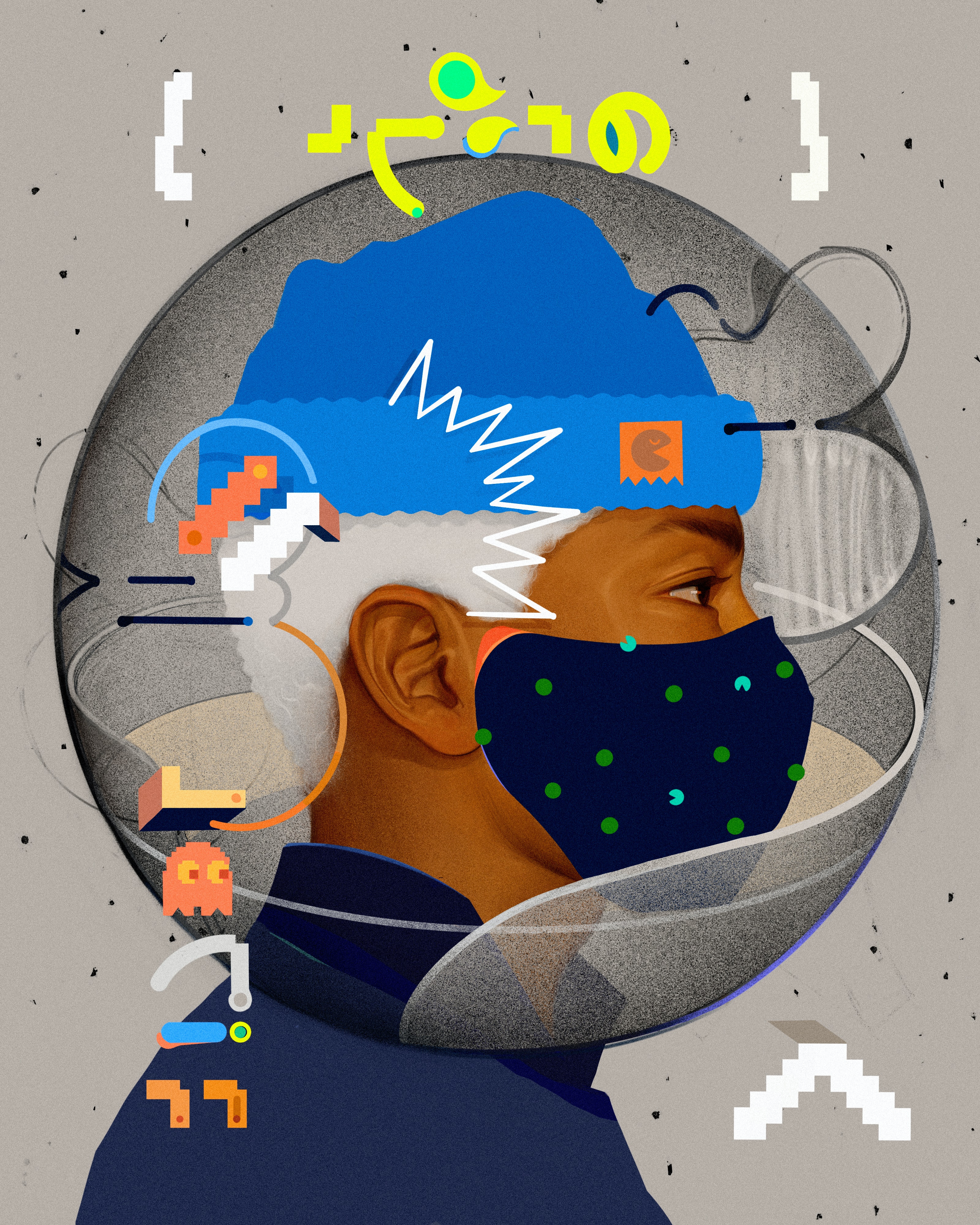

Social media influencers are often seen as lazy freelancers who make a living being paid to pretend they like products. But these “celebrities’” are more than just marketing vehicles. If used properly, they can be effective agents of positive social change.
Yet the UK government has taken a bold step by working with influencers to try to stop the spread of coronavirus. It has paid several social media influencers and reality TV stars to promote the NHS test and trace service – the system used when someone tests positive for COVID-19 to work out who else might be at risk after coming in contact with them. The service relies on local public health teams contacting those that may be potentially infected to ask them to self-isolate and test for the virus. However, to date, the service is failing to deliver. This is for many reasons, one of which is the public’s reluctance to share their contact details.
When the system failed to reach its target for the ninth week in a row, the government decided to change strategy. This is when it brought in social media players such as Love Island stars Shaughna Phillips, Josh Denzel and Chris Hughes. Phillips, who has 1.5 million followers on her Instagram, posted a photo of her with a friend, reminding her followers that “the best way for us all to get back to doing the things we love” is by getting tested for coronavirus. She reminded fans that the test and trace service is “totally free, quick and is vital to stop the spread of coronavirus” and told them about her experience of using the testing service.
Phillips, just like other influencers involved in this campaign, was paid for her posts. While the government hasn’t revealed how much was spent on the campaign, it claims “over 7 million people have been reached” with the messages.
Typically a mega influencer who has more than a million followers will be paid around £10,000 per post so, of course, there was a debate about whether taxpayers’ money should be used in this way.
However, the right public health messaging doesn’t always reach young people. They are often less engaged with mainstream traditional communication channels such as TV, radio and press. Paying popular influencers to promote credible public health messaging is a genuine alternative if the government wants to reach young people.
Powerful but ordinary
The impact social media influencers have – on young people in particular – is beyond doubt. And their clout is particularly strong now that we’re spending more time at home online.
Of course, their power is most readily associated with commercial interests. The rise of the influencer has transformed the beauty and fashion industries beyond recognition. Finding the right star to endorse your product on their Instragram or TikTok feed, can make or break a brand these days.
They achieve these results by presenting themselves as an approachable “friend” to their social media followers. They have a greater than average potential to influence others because they build a special, intimate bond with their followers by posting content very regularly and communicating with their audience directly. When a fan leaves a comment on an influencer’s post and receives a reply, they feel like they have a relationship with them, which reinforces the influencer’s ability to market products.
In our survey of 465 young people, we found that social media influencers’ content and their “authentic” behaviours are linked to consumers’ tendencies to buy products spontaneously without reflection.
Unlike traditional celebrities, who often keep their private lives behind closed doors, social media influencers discuss personal experiences, good or bad, with their followers. They see such sharing as more sincere and trustworthy than content coming from elsewhere.
Beyond these commercial activities, however, influencers have more recently been seen pushing followers to engage with social issues. Audiences are interested in influencers who engage in activism and who take a stand on issues. This has been particularly in evidence during the Black Lives Matter movement, when fans looked to social media stars for meaningful statements and positions and even demanded it of them when they were not forthcoming.
In our work around relationships between influencers and followers, we have found that many young people are interested in social media stars who seek to drive change rather than just sell products. This, combined with the personal approach, is what makes influencers an attractive prospect for a government trying to reach young people. If someone like Phillips talks about test and trace on Instagram, young people are likely to react and act.
The World Health Organization has been using influencer marketing techniques in its coronavirus messaging since April. It has gone a step further by using a CGI influencer called Knox Frost to “get accurate, vetted information about COVID-19 in front of millennials and Gen Z”. The computer-generated 20-year-old has been posting to just under a million Instagram followers about coronavirus safety and raising funding for the WHO.
In times when the economy is suffering, many might question why the UK government is paying social media stars to promote test and trace services. In reality, spending of this kind has enormous potential to deliver a positive impact. As our studies show, influencers are powerful in shaping the behaviour of their followers. Until now, this was mainly done in the commercial sphere to drive consumption, but now we are seeing more positive uses for their high profiles.
 Elvira Bolat does not work for, consult, own shares in or receive funding from any company or organisation that would benefit from this article, and has disclosed no relevant affiliations beyond their academic appointment.







