


 Trump Bans CNN, MS NOW and Politico From White House
  China Reviews Broadcom Switch Use in State Data Centres
  Putin Says Ukraine Peace Proposals Remain on Table
  Pentagon Restarts Testosterone Testing for US Troops
  Trump Scales Back Endangered Species Act Protections
  US Backs Musk in Fight Against EU’s €120 Million X Fine
  Synthetic data could ease people’s concerns about privacy breaches. But who gets to create it?
  NATO Boosts Intelligence Sharing Amid Russia Hybrid Threats
  US Comfortable With Canada Trade Standoff as Import Bans Loom
  Xi Calls for Deeper U.S.-China AI Cooperation in Trump Talks
  Najib Razak Seeks Stay of 15-Year 1MDB Prison Sentence
  White House Bars CNN, MS NOW and Politico Reporters
  Trump Administration Plans Faster FDA Reviews for Smoke-Free Nicotine Products
  US Immigration Arrests Surge as Deportations Lag Behind
  EU Agrees €6.6 Billion Military Aid Funding for Ukraine
  US Bans Canadian Alcohol, Motorcycles as Trade War Escalates
  Trump, Xi Focus on Trade and AI at White House Summit


 Add as a preferred source on Google
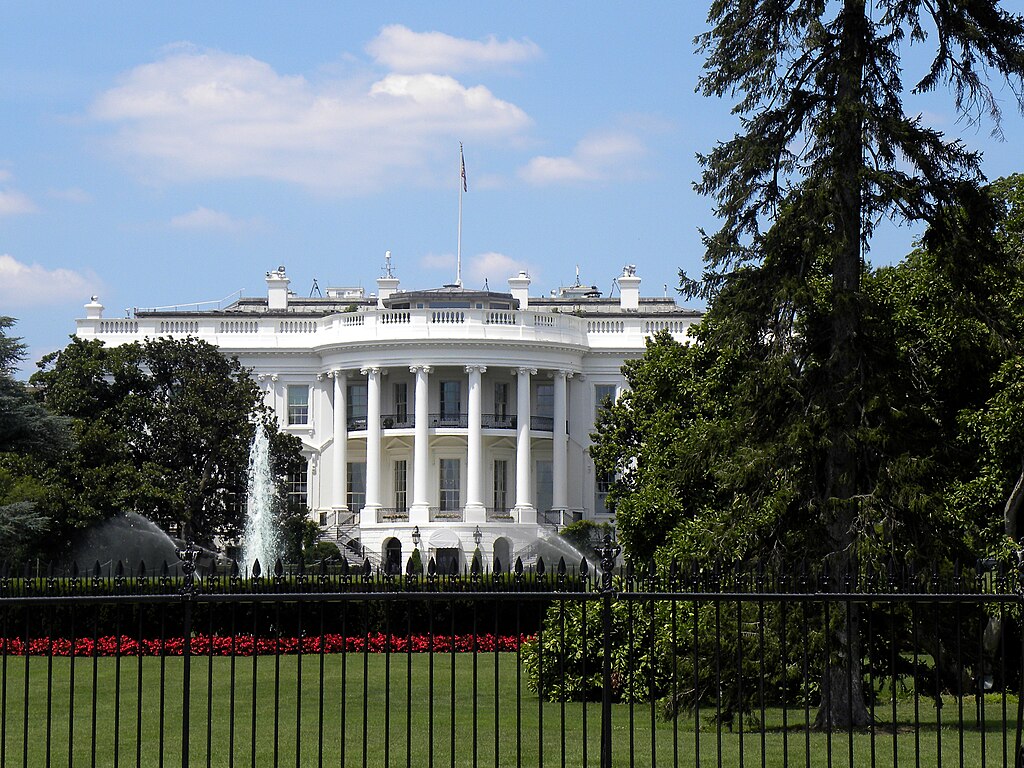
The White House has directed federal agencies to prepare detailed plans for mass firings in the event of a government shutdown, a significant shift from the temporary furloughs that have historically been used during funding lapses. According to a memo issued Wednesday by the Office of Management and Budget (OMB), agencies must identify programs and projects that would lose discretionary funding on October 1 if Congress fails to pass legislation to keep the government operating.
The OMB warned that programs without mandatory appropriations would face the heaviest impact. Federal agencies were instructed to submit reduction-in-force plans and issue notices to employees, even if those workers might otherwise be excepted or furloughed. The memo, first reported by Politico, underscores the growing risk of a government shutdown as lawmakers remain divided.
The move comes after President Donald Trump canceled a scheduled meeting with top Democratic leaders on Tuesday, signaling increased tensions between the White House and Congress. Republicans and Democrats continue to blame one another for the standoff over spending legislation.
Trump, who took office pledging to shrink what he calls a “bloated and inefficient” federal workforce, has been pursuing significant staff reductions. Since January, roughly 300,000 federal civilian workers are expected to leave government service by the end of 2025. Of these, about 154,000 employees who accepted buyouts are slated to leave payrolls on September 30 — the final day of the fiscal year and the deadline for Congress to approve a budget deal.
The uncertainty surrounding funding negotiations raises the possibility that Trump may be leveraging the shutdown threat to further his agenda of downsizing the 2.4 million–strong civilian workforce, or using it as a negotiation tactic to pressure Democrats into agreeing on Republican spending priorities.
With the fiscal year ending soon, the stakes remain high as both political parties scramble to avoid a shutdown that could disrupt essential services, damage the economy, and affect millions of federal employees.







