


 Ukrainian Drone Attacks Hit Russian Regions, Injuring at Least 12
  Trump Asks Supreme Court to Restore Third-Country Deportations
  Putin Says Ukraine Peace Proposals Remain on Table
  Netanyahu’s Brief US Trip Highlights Strains With Trump
  Pope Leo Warns UN, Multilateral Groups Face Crisis
  Najib Razak Seeks Stay of 15-Year 1MDB Prison Sentence
  NATO Boosts Intelligence Sharing Amid Russia Hybrid Threats
  Xi Calls for Deeper U.S.-China AI Cooperation in Trump Talks
  EU Defence Build-Up Too Slow for 2030 Russia Readiness Goal
  What ‘Taiwan Independence’ Means as Xi Presses Trump on US Policy
  Trump, Xi Visit US National Archives After White House Summit
  Saudi Arabia, Turkey and Pakistan Plan Urgent Defence Talks Over Houthi Attacks
  North Korea Rejects Nuclear Test Warning, Calls Nuclear Status Irreversible
  Trump, Xi Focus on Trade and AI at White House Summit
  Saudi Arabia Seeks Military Support as Houthi Attacks Escalate
  Evan Gershkovich Says FSB Set Trap for 2023 Russia Arrest
  France Defends Netanyahu Airspace Clearance Despite ICC Warrant


 Add as a preferred source on Google
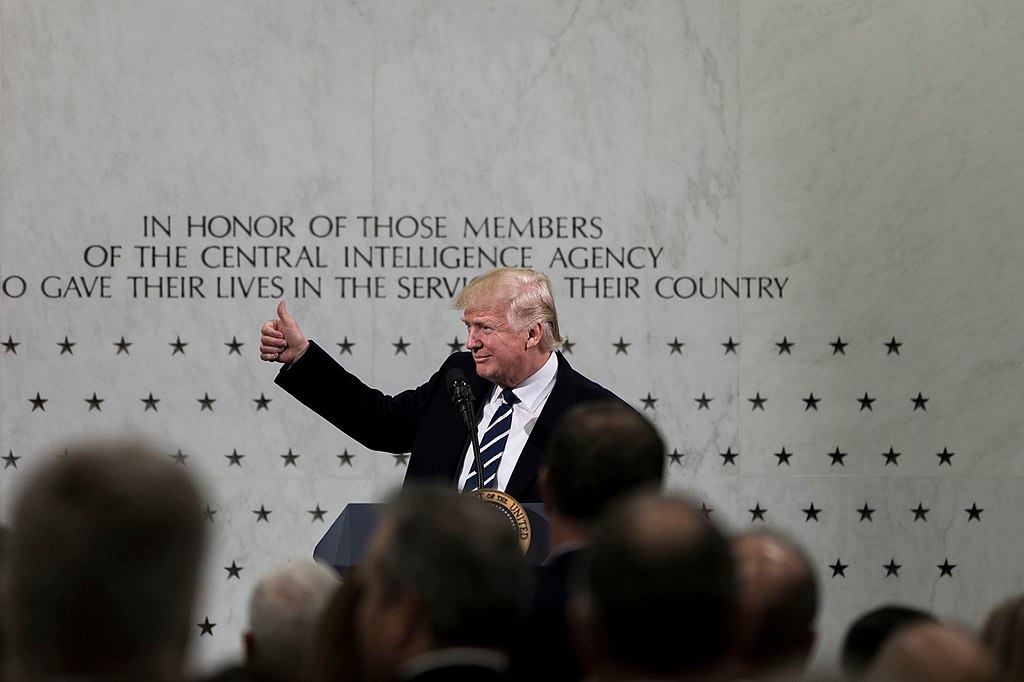
As 2025 unfolds, Donald Trump’s ambitious strategies for expanding access to affordable medications have taken center stage in the ongoing healthcare debate. The former president, known for his firm stance on reducing medical costs, has outlined a comprehensive approach to ensure life-saving drugs are accessible to millions of Americans struggling with soaring prices. Critics, however, question the practicality of these plans as experts and citizens alike weigh in.
Targeting Big Pharma to Lower Prescription Costs
Central to Trump’s strategy is a renewed focus on combating pharmaceutical giants that contribute to skyrocketing medication prices. His proposals include capping drug price hikes, enforcing transparency in pricing models, and expanding federal negotiations for Medicare prescription drug costs.
According to health policy analysts, these measures aim to hold drug manufacturers accountable while empowering the government to bargain directly with pharmaceutical companies—a move designed to drive prices down significantly. Trump also emphasized his intention to import safe, lower-cost drugs from countries like Canada. While proponents celebrate these initiatives as a lifeline for those burdened by high expenses, detractors argue the policies may deter innovation within the pharmaceutical industry.
Experts from organizations such as the Kaiser Family Foundation highlight that capping prices could benefit millions, especially seniors on fixed incomes. However, opponents fear it could limit access to advanced drugs if companies cut production due to reduced profitability.
Expanding Accessibility Through Federal Programs
Another key aspect of Trump’s approach is enhancing federal programs to ensure that low-income Americans have greater access to medications. By expanding Medicaid coverage and supporting community health centers, Trump hopes to reach underserved populations in rural and urban areas.
Additionally, the strategy includes boosting the availability of generic drugs, which are often more affordable alternatives to name-brand prescriptions. Through expedited approvals by the Food and Drug Administration (FDA), Trump’s plan seeks to flood the market with cost-effective options.
Nevertheless, some healthcare advocates caution that while increasing generics could help reduce expenses, it might not address the underlying systemic issues driving high pharmaceutical costs.
Netizens React to Trump’s Proposals
Trump’s policies have sparked passionate discussions online, with netizens sharing diverse opinions on the matter:
- @HealthyDebate89: “Finally, someone is taking Big Pharma to task! We’ve needed this for years. #AffordableMeds”
- @PharmaRealist: “Price caps sound great, but has anyone thought about the impact on drug innovation? #HealthcareReform”
- @RuralHealthNow: “Rural communities like mine desperately need this. Medicaid expansion can save lives. #TrumpPlan2025”
- @CostlyRxBlues: “Will this actually happen, or is it just another empty promise? #DrugPrices”
- @FDAInsiderTalk: “Fast-tracking generics is smart, but oversight will be key to ensuring safety. #AffordableHealthcare”
- @HopeForHealth22: “Trump’s focus on affordability could be life-changing for seniors like my parents. #DrugCostReform”
Donald Trump’s strategies for addressing the nation’s prescription drug crisis present both promise and uncertainty. While his proposals aim to provide relief to millions of Americans, critics question their feasibility and long-term implications. As debates rage on, the outcomes of these policies will shape the healthcare landscape for years to come.







