


 Macron, Trump Discuss Ukraine-Russia Energy Strike Moratorium
  US, Denmark and Greenland Set to Sign Arctic Security Deal
  Taiwan Vows to Advance US Arms Sales Ahead of Trump-Xi Meeting
  Kremlin Says No Grounds Yet for Ukraine Peace Talks
  China Tightens Fentanyl Rules Ahead of Trump-Xi Summit
  US, Japan and South Korea Back Taiwan Ahead of Trump-Xi Summit
  Marco Rubio to Meet Russia’s Lavrov in New York
  Vietnam, US Trade Deal Could Be Signed Soon, To Lam Says
  CNN, MS NOW and Politico Sue Trump Over White House Media Ban
  Trump Says U.S.-Iran Peace Deal Near After UN Talks
  Macron Challenges Trump’s Gaza Peace Claims at UN
  Trump to Press Xi on Release of US Nuclear Expert Held in China
  Russian Strikes Kill Eight Across Ukraine as Energy Sites Hit
  Paramount-Warner Bros $110 Billion Deal Draws Antitrust Backlash
  UK, Mauritius Seek Diego Garcia Base Deal
  Iran Vows ‘Crushing’ Response as US Talks Continue
  Trump Meets Venezuela’s Delcy Rodriguez at UN Assembly


 Add as a preferred source on Google
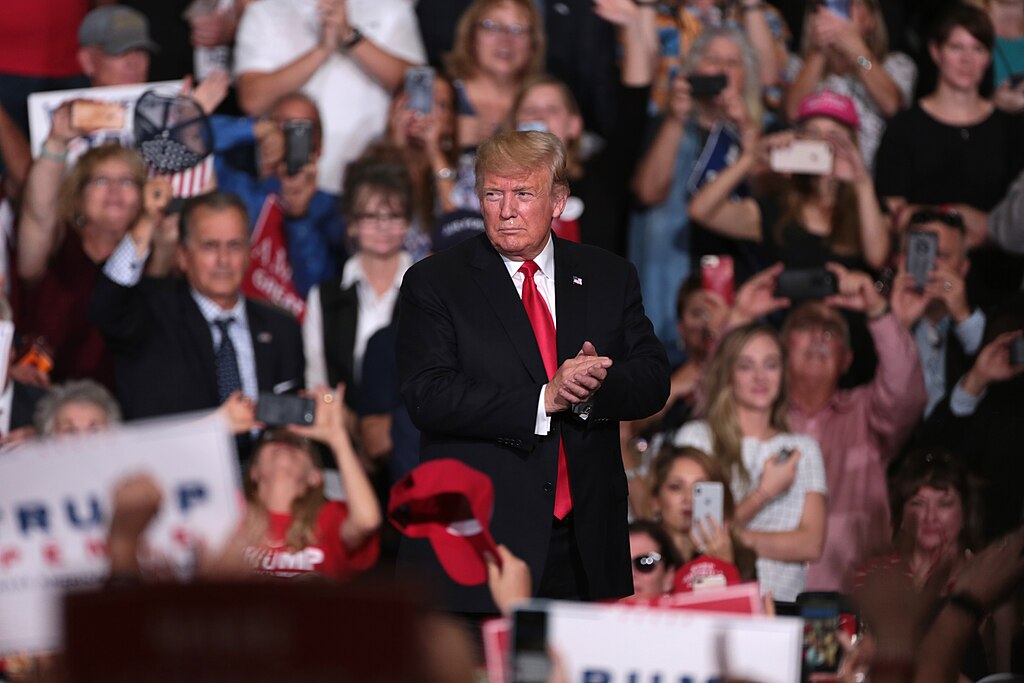
As Donald Trump prepares to return to the White House in January 2025, his administration has revealed ambitious plans to regulate and expand the use of artificial intelligence (AI) in healthcare. Trump’s proposals aim to modernize medical systems, increase efficiency, and reduce healthcare costs. However, the initiative has sparked fierce debate among industry experts and policymakers, with critics questioning the practicality of his promises.
The former president's strategy emphasizes enhancing the integration of AI technologies in diagnostic tools, medical research, and patient care. During his campaign, Trump described AI as the "future of healthcare," positioning his administration as a leader in advancing digital innovation while addressing concerns about privacy and ethical misuse.
Despite these promises, skeptics argue that AI’s application in healthcare remains riddled with challenges, including data privacy risks, biases in machine learning algorithms, and regulatory hurdles. Trump’s detractors warn that the administration’s optimistic timeline may overlook the complexities of implementing AI at scale.
Regulation and Innovation: A Balancing Act
Trump’s plan includes creating a dedicated task force within the Department of Health and Human Services (HHS) to oversee AI adoption in healthcare. The task force would collaborate with private companies, universities, and government agencies to draft ethical guidelines and establish technical standards.
A key focus is on streamlining approval processes for AI-powered medical devices through the Food and Drug Administration (FDA). Trump’s team aims to reduce bureaucratic delays, ensuring quicker access to life-saving technologies. Proponents of the plan highlight the potential benefits, including early disease detection and personalized treatment plans.
Additionally, the administration has proposed substantial investments in training healthcare professionals to use AI tools effectively. Trump's policy also emphasizes patient data protection, calling for stringent cybersecurity measures to prevent breaches and misuse of sensitive information.
While these measures are welcomed by some, critics remain wary of potential pitfalls. Data bias in AI algorithms could lead to unequal healthcare outcomes, especially for underserved communities. Privacy advocates also question whether the administration can guarantee adequate safeguards against the misuse of personal medical data.
Public Reactions: Support and Skepticism
Social media users have been vocal about Trump’s AI healthcare initiative, expressing a range of opinions:
- @AI_MedicalReform: “Finally, a plan to bring healthcare into the 21st century. Trump’s AI vision could save lives!”
- @DataRightsNow: “Trump’s track record on privacy is shaky. Can we really trust him to protect patient data?”
- @InnovationMatters: “Streamlining FDA approvals for AI tools is a game-changer. This could accelerate innovation!”
- @EthicsInAI: “What about AI biases? Trump’s plan needs to address discrimination in healthcare outcomes.”
- @HealthAdvocate2025: “This is a pipe dream. AI in healthcare isn’t ready for mass adoption yet.”
- @PrivacyProtector: “Patients’ data privacy must come first. Trump’s plan needs stronger safeguards against corporate exploitation.”







