


 U.S. Reviewing Potential F-35 Fighter Jet Sale to Turkey Amid S-400 Dispute
  Iran Attack in Strait of Hormuz Pushes Oil Prices Higher
  Peru Election Dispute Deepens as Roberto Sanchez Rejects Runoff Results
  White House Seeks $87.6 Billion Emergency Funding for Iran War, Farmers, and Ebola Response
  U.S. Eases Iran Team Travel Restrictions Ahead of Seattle World Cup Match
  US Approves $250 Million Fighter Jet Training Sale to Australia
  US Urges States and Businesses to Strengthen Taiwan Ties Amid China Pressure
  Israel Heritage Bill Sparks Annexation Concerns in West Bank
  Japan Signals Preference for Low Interest Rates as BOJ Policy Debate Intensifies
  NATO Chief Tries to Ease Trump Alliance Dispute
  US Senate Approves War Powers Resolution Urging Trump to End Iran Military Action
  Iran Strait of Hormuz Tensions Rise After Ship Attack Delays IMO Escort Mission
  White House Seeks $1.4 Billion to Combat Growing Ebola Outbreak
  Johns Hopkins University Lays Off 110 Employees as Federal Research Funding Declines
  Trump Orders DOJ Investigation Into Exxon, Chevron Over High Gas Prices
  Marco Rubio Reassures Gulf Allies Over U.S.-Iran Peace Deal
  Young Brazilian Voters Shift Right Ahead of 2026 Election


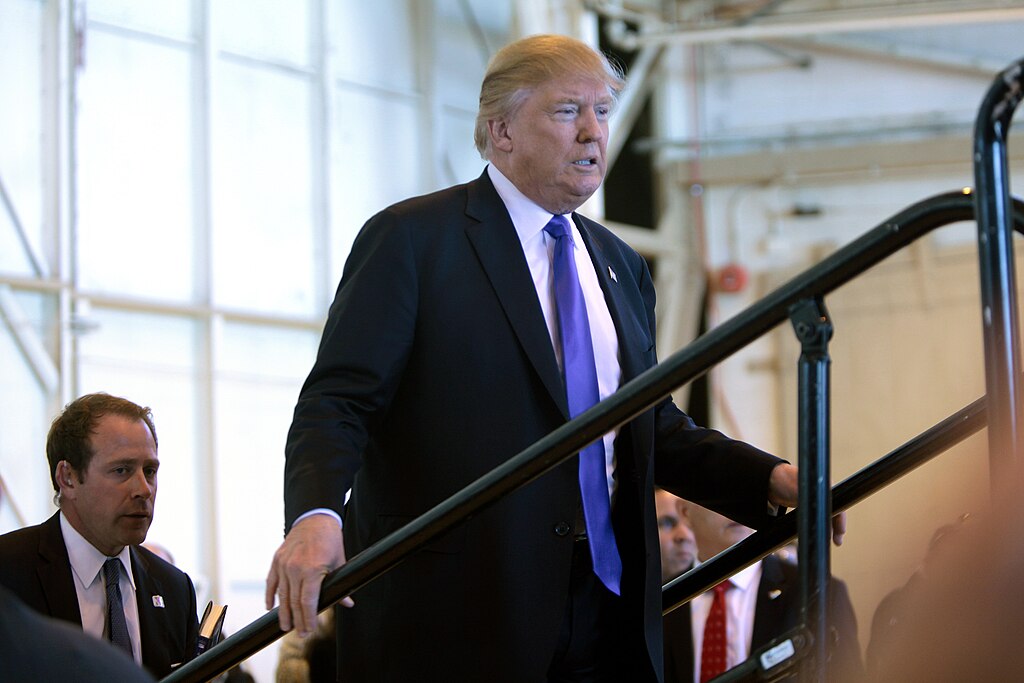
Donald Trump’s administration is reportedly planning major changes to national parks funding for 2025, igniting heated debates among conservationists and policymakers. As the president-elect prepares to re-enter the White House in January, his proposed policies for America’s public lands are drawing both scrutiny and support.
Insiders suggest Trump’s approach may include significant budget reallocations within the Department of the Interior. These changes, some argue, could boost energy development initiatives while cutting traditional conservation funding. Supporters believe these measures could streamline inefficiencies and stimulate economic growth. However, critics are raising alarms about the potential impact on park maintenance, preservation programs, and public access.
Conservationists Sound Alarm Over Proposed Cuts
Environmental advocates warn that reduced funding for the National Park Service (NPS) could have lasting consequences. A leaked draft of Trump’s budget proposal reportedly includes a 20% decrease in discretionary spending for parks, with the funds redirected toward energy development on federal lands. Key programs, such as wildlife preservation and visitor safety initiatives, are at risk of being scaled back or eliminated entirely.
Maryland-based conservationist Sarah Williams stated, “These cuts would gut essential services and endanger America’s most treasured natural spaces. National parks are more than tourist destinations—they are vital ecosystems.”
Critics also point to potential conflicts of interest, noting Trump’s prior approval of expanded drilling and mining leases on federal land during his first term. They argue that further reductions in park funding could make way for private sector exploitation of public lands.
Meanwhile, National Park Service employees have expressed concerns about already-stretched resources. The agency has faced a maintenance backlog exceeding $22 billion, and further budget cuts could exacerbate the strain on aging infrastructure and staff shortages.
Supporters Argue for Economic Growth Through Energy Initiatives
Trump’s allies defend the proposed changes, emphasizing the potential economic benefits. By prioritizing energy development and reducing regulatory hurdles, they argue, the administration could generate significant revenue for the federal government. Additionally, they suggest that partnerships with private companies could offset reductions in direct funding for the NPS.
“America’s energy independence remains a key priority,” said Republican strategist Tom Myers. “Shifting resources to achieve this goal can benefit the economy while still supporting the parks through innovative public-private partnerships.”
Trump’s team has not yet commented on the specifics of the proposal, but sources close to the administration suggest that the president-elect will announce details in early 2025.
Online Reactions Highlight Divide
Social media users were quick to respond to reports of Trump’s plans, illustrating the sharp divide in public opinion.
- @GreenAmerica2025: “Cutting national parks funding? This is an attack on our heritage and future generations. Unacceptable.”
- @MAGA_Patriot: “Finally, someone prioritizing energy independence over tree-huggers who block progress! Trump is making America great again.”
- @NatureForAll: “Our parks need protection, not corporate interference. These cuts are reckless and shortsighted.”
- @FreeMarketHero: “Why should taxpayers fund bloated programs? Trump’s plan to modernize the system is long overdue.”
- @EcoWarriorJane: “National parks are sacred spaces. If Trump dismantles them, he dismantles part of what makes America beautiful.”
- @EnergyFirstUSA: “Economic growth AND energy independence? This is the bold leadership we voted for in 2024.”







