


 Fed Unveils Stablecoin Rules Under GENIUS Act
  RBI Uses $10 Billion Currency Swaps to Drain Excess Rupee Liquidity
  US Comfortable With Canada Trade Standoff as Import Bans Loom
  Japanese Bank Stocks Surge as Bond Yields Fuel Rate Hike Bets
  Canadian Dollar Faces Pressure as Fed-BoC Policy Gap Widens
  Fed’s Hammack Says Bond Yield Surge Is Not Driven by Inflation Fears
  Dollar Falls as Oil Eases, Yen Jumps on Intervention Signals
  Oil Prices Ease as Iran Tensions Clash With Diplomacy Hopes
  Asian Stocks Fall as Bond Yields Surge Ahead of Trump-Xi Summit
  China’s ‘Lipstick King’ Says AI Won’t Replace Livestream Hosts
  Gold Prices Fall as Treasury Yields Rise on Fed Rate Hike Bets
  European Stocks Fall as Bond Yields and Geopolitical Risks Weigh
  Trump, Xi Focus on Trade and AI at White House Summit
  US 10-Year Treasury Yield at 6% Emerges as New Market Risk Threshold
  Fed Unveils Stablecoin Rules Under GENIUS Act
  Japan Private-Sector Growth Slows as Domestic Demand Weakens


 Add as a preferred source on Google
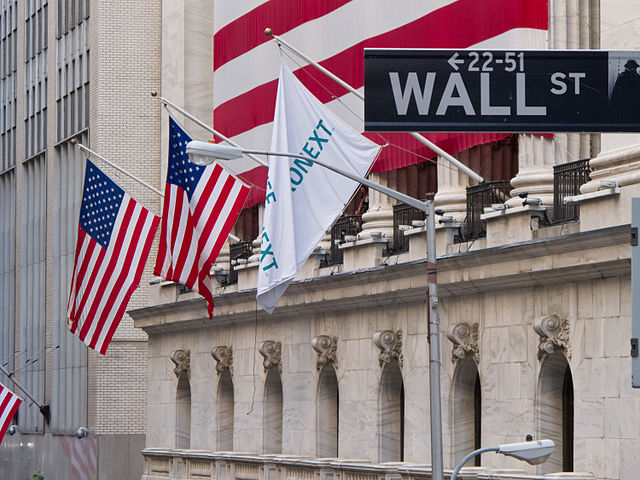
U.S. stock index futures steadied Wednesday evening as Wall Street closed higher for the fourth consecutive session, with investors betting that the ongoing government shutdown will have limited economic fallout. Despite weak labor market signals and subdued manufacturing data, markets gained on optimism that the Federal Reserve will deliver another interest rate cut at the end of October.
S&P 500 Futures held flat at 6,759.50 points, while Nasdaq 100 Futures stabilized at 25,018.75 points. Dow Jones Futures also remained steady at 46,712.0 points by 19:16 ET (23:16 GMT). The S&P 500 itself ended at a record high of 6,711.20 points, while the Nasdaq Composite climbed 0.4% to 22,755.16 and the Dow Jones Industrial Average edged up 0.1% to 46,411.10.
The U.S. government officially entered a shutdown after lawmakers failed to approve new funding. The closure is set to disrupt critical services, including air traffic control and disaster relief. Key economic data, such as the nonfarm payrolls report due Friday, is also expected to be delayed. The deadlock stemmed from disputes over healthcare subsidies, with Democrats rejecting a Republican-backed bill. President Donald Trump further escalated tensions by threatening to withhold funding from Democrat-leaning states and cut federal jobs permanently.
Markets, however, looked past political uncertainty. Healthcare stocks led gains, supported by expectations of favorable regulation, while technology shares extended their rally on ongoing enthusiasm around artificial intelligence. Netflix lagged, sliding 2.3% after Tesla CEO Elon Musk urged his social media followers to cancel subscriptions.
Historically, government shutdowns have had minimal long-term effects on markets. The last one, in late 2018 and early 2019, lasted 35 days and cost the economy about $11 billion, according to the Congressional Budget Office.
This time, weak ADP payroll data for September and PMI figures confirming continued contraction in manufacturing signaled labor market softness. Yet, these indicators strengthened expectations of further Fed rate cuts, providing key support for equities amid ongoing uncertainty.







