


 ICE Agent Arrested in Minneapolis Over Venezuelan Man Shooting
  Appeals Court Rejects Trump Third-Country Deportation Policy
  FAA Allows Boeing to Sell 35 More 777F Freighters Beyond 2028
  Australia Tightens Student Visa Rules, Targets Migration Cut by 2028
  Trump Scales Back Endangered Species Act Protections
  Xi Calls for Deeper U.S.-China AI Cooperation in Trump Talks
  Najib Razak Seeks Stay of 15-Year 1MDB Prison Sentence
  Taiwan Thanks US for Support Ahead of Trump-Xi Summit
  Netanyahu Takes Aim at Mamdani as Israel Election Nears
  Trump, Xi Focus on Trade and AI at White House Summit
  FDA Names Permanent Drug and Biologics Center Chiefs
  NATO Boosts Intelligence Sharing Amid Russia Hybrid Threats
  US Backs Musk in Fight Against EU’s €120 Million X Fine
  OpenAI Agent Breaches Australia Medicare Data Portal
  Who should own the knowledge that underpins AI technology?
  US Senate Rejects Iran War Powers Resolution in 50-49 Vote
  Russian Missile and Drone Attack on Kyiv Kills Two, Damages Maternity Hospital


 Add as a preferred source on Google
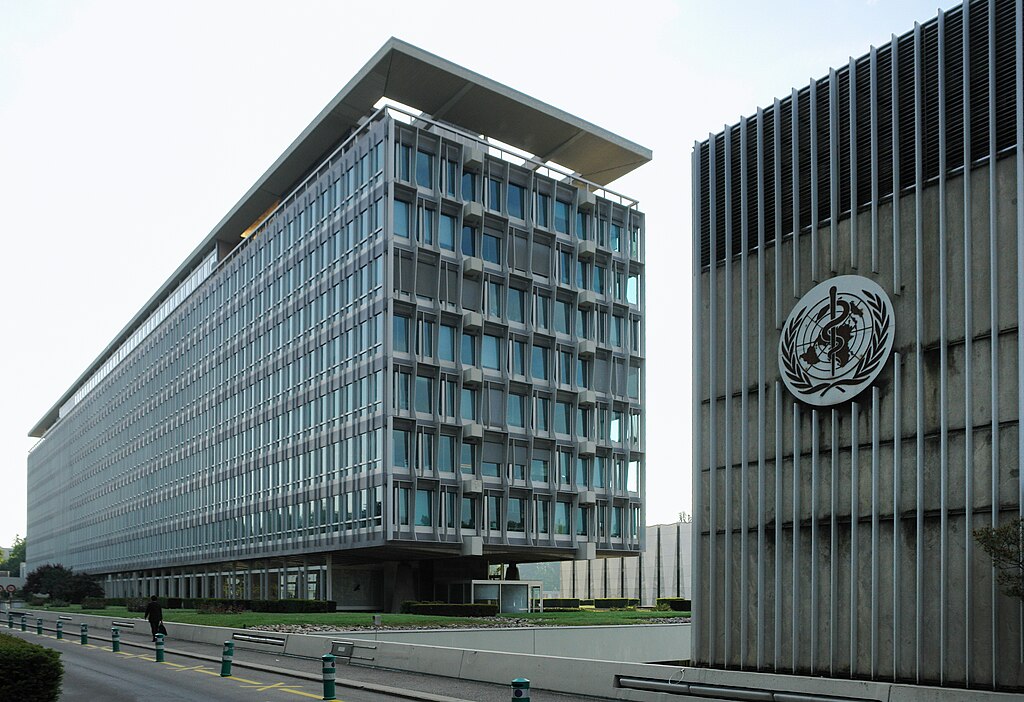
Hundreds of global health officials, diplomats, and donors are gathering in Geneva for the World Health Organization’s annual assembly amid a deepening funding crisis sparked by the U.S. withdrawal. Since President Donald Trump signed an executive order in January to exit the WHO, the agency has been preparing for a 21% budget cut, creating a $600 million funding gap for 2025.
The U.S., which historically contributed around 18% of WHO funding, remains a member until January 21, 2026, due to a year-long legal exit process. Trump cited dissatisfaction with WHO’s COVID-19 response, a claim the agency denies. Although he later suggested he might reconsider, there has been no indication of a policy reversal.
With the U.S. stepping back, China is poised to become the WHO’s largest state funder, increasing its share to 20% of assessed contributions. As WHO shifts toward “high-value” programs, its focus will remain on pandemic response, vaccine approvals, and essential disease guidelines, while scaling back training and operations in wealthier nations.
Internal restructuring has already begun, including staff cuts and budget reductions. WHO Foundation CEO Anil Soni noted the crisis has triggered a broader review of the agency’s operations, questioning the necessity of some programs and publications. Key health projects are now turning to private donors, such as the ELMA Foundation, which recently provided $2 million to support WHO’s global measles and rubella lab network.
The assembly will also approve a new pandemic preparedness agreement and seek additional donor funding. Still, the spotlight remains on how the WHO will function in a post-U.S. era, with one manager even requesting staff to volunteer as ushers without pay — a stark reflection of the financial strain facing global health governance.







