


 US Senate Rejects Iran War Powers Resolution in 50-49 Vote
  EU Defence Build-Up Too Slow for 2030 Russia Readiness Goal
  Abbas Reaffirms November 28 Palestinian Elections
  Gold Holds Near $4,275 as Rising Treasury Yields Fuel Fed Rate Hike Bets
  Trump, Xi Focus on Trade and AI at White House Summit
  Suzuki Targets Faster Car Development to Keep Pace With Chinese Rivals
  Novo Nordisk Strikes €1.17 Billion Nanexa Drug Delivery Deal
  North Korea Rejects Nuclear Test Warning, Calls Nuclear Status Irreversible
  Jeff Bezos Invests $32 Billion in Blue Origin as Space Firm Targets Major Growth
  SoftBank Shares Fall as Oracle Flags Stargate Data Center Delay Risk
  Meta Unveils Muse Charm AI Device, Expands Smart Glasses Lineup
  Asian Currencies Mixed as Dollar Holds Near Two-Month High
  RBI Uses $10 Billion Currency Swaps to Drain Excess Rupee Liquidity
  Airbus Finds A321neo Fuselage Quality Issue
  Ukrainian Drone Attacks Hit Russian Regions, Injuring at Least 12
  Costco Revenue Beats Estimates as Inflation Drives Bulk Shopping
  Taiwan Thanks US for Support Ahead of Trump-Xi Summit


 Add as a preferred source on Google
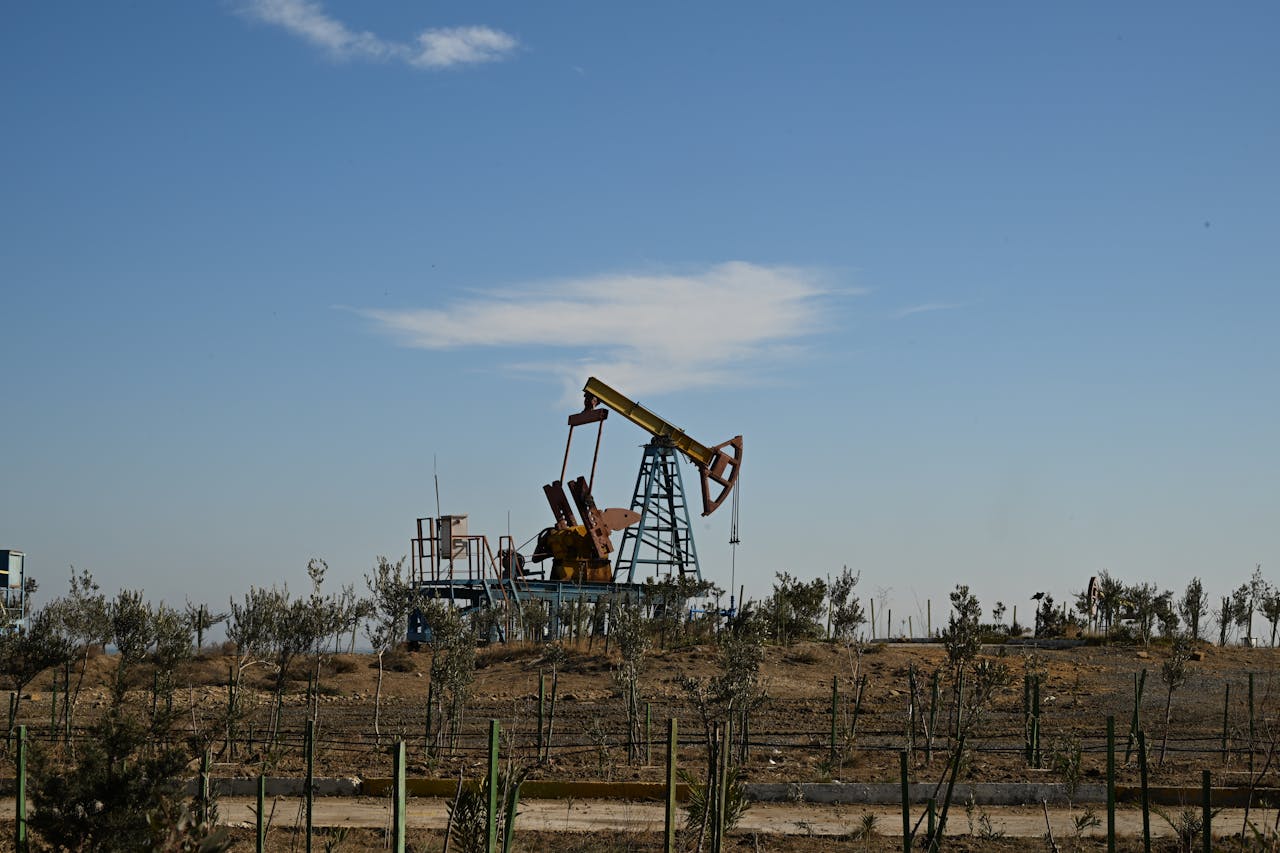
Commodities trading giant Vitol is preparing to load the first shipment of U.S. naphtha bound for Venezuela this weekend, marking a significant step in efforts to revive the country’s oil industry. According to sources cited by Reuters, the cargo will be transported under a newly announced supply arrangement following recent political changes in Caracas supported by the Trump administration.
Naphtha plays a critical role in Venezuela’s energy sector as a diluent used to thin its extra-heavy crude oil, making it easier to transport and refine. The resumption of naphtha shipments from the United States is expected to help stabilize and potentially increase crude oil production after months of disruption.
Venezuela’s state-run oil company PDVSA had recently been forced to curb output after a prolonged U.S. naval blockade restricted exports, causing oil storage facilities to reach capacity. With exports limited, crude was increasingly stored offshore on tankers, further straining operations. The new flow of diluent could ease these bottlenecks and allow production to ramp up again.
Vitol, along with rival trader Trafigura, has confirmed agreements with the U.S. government to assist in marketing stranded Venezuelan oil. These deals followed approval by Venezuela’s interim government to export as much as 50 million barrels of crude oil to the United States. Oil major Chevron is also involved in sourcing naphtha to support renewed production.
Sources say Vitol has chartered the tanker Hellespont Protector, which is set to load approximately 460,000 barrels of naphtha from Houston. The vessel is expected to complete loading over the weekend and deliver the cargo to Venezuela next week.
Previously, Venezuela relied on U.S. diluents until licenses were revoked last year, prompting a shift toward Russian supplies. Analysts note that if Russian naphtha imports are now curtailed, the United States will need to quickly fill the gap to prevent further production shutdowns. Overall, the restart of U.S.-Venezuela naphtha trade could reshape regional oil flows and strengthen America’s role in supporting Venezuela’s oil recovery.







