


 Putin Says Ukraine Peace Proposals Remain on Table
  Pope Leo Backs Press Freedom After White House Media Ban
  Japanese Yen Rebounds as Trump Flags Currency Weakness
  North Korea Rejects Nuclear Test Warning, Calls Nuclear Status Irreversible
  North Korea Warns South Korea Over US-Led Defense Role
  European Stocks Fall as Bond Yields and Geopolitical Risks Weigh
  Fed’s Hammack Says Bond Yield Surge Is Not Driven by Inflation Fears
  France Defends Netanyahu Airspace Clearance Despite ICC Warrant
  Wall Street Ends Flat as Oil, Treasury Yields and Fed Jitters Rattle Markets
  US Stock Futures Fall as Treasury Yields Surge Ahead of Trump-Xi Summit
  EU Defence Build-Up Too Slow for 2030 Russia Readiness Goal
  Dollar Holds Near Two-Month High as Yen Approaches 160
  US Backs Musk in Fight Against EU’s €120 Million X Fine
  Oil Prices Jump 3% as Houthi Attack Revives Supply Fears
  Soybean Futures Slip as Traders Await Trump-Xi Trade Signals
  Netanyahu’s Brief US Trip Highlights Strains With Trump
  Saudi Arabia Seeks Military Support as Houthi Attacks Escalate


 Add as a preferred source on Google
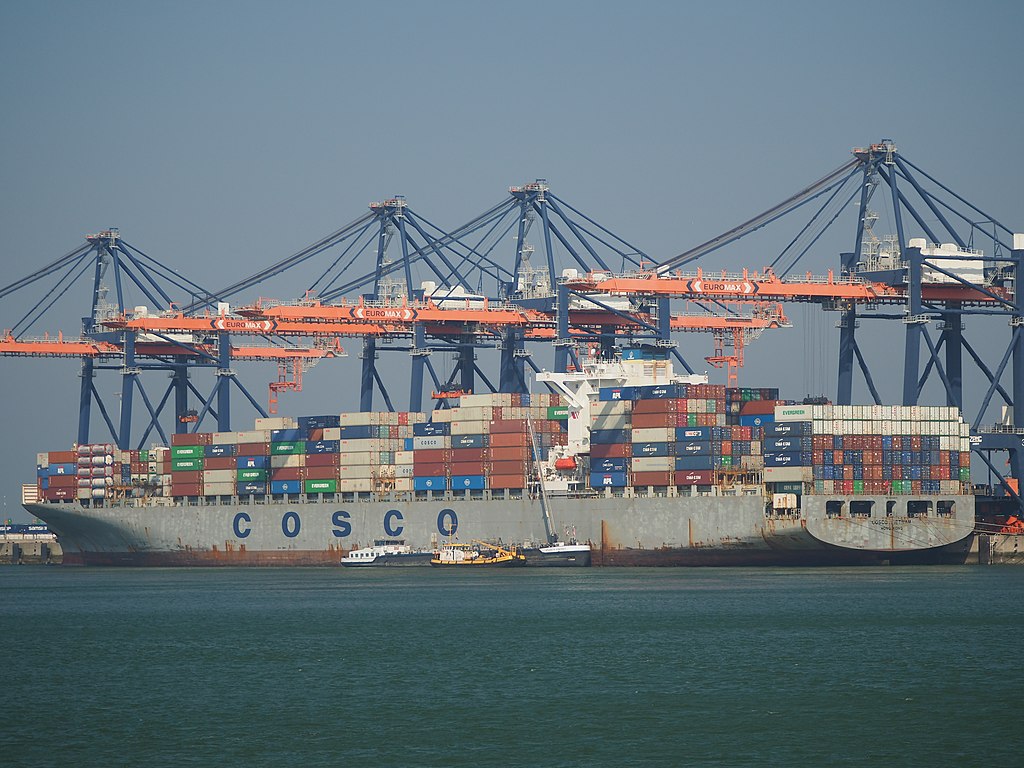
Vietnam is pushing forward with trade negotiations with the United States while also seeking to diversify export markets through new free trade agreements, Prime Minister Pham Minh Chinh announced on Wednesday. The government is aiming for an ambitious 12% export growth in 2025, despite rising global trade tensions and tariff challenges.
According to Chinh, Vietnam plans to finalize free trade agreements with Mercosur and Gulf Cooperation Council (GCC) countries by the fourth quarter of this year. These deals are expected to open new opportunities for Vietnamese goods and reduce reliance on existing markets, particularly the U.S.
The U.S., currently Vietnam’s largest export destination, recently imposed a 20% tariff on Vietnamese goods effective August 7, while goods transshipped from third countries through Vietnam are subject to a 40% levy. These measures are part of Washington’s broader “reciprocal” trade policy.
The Vietnamese government acknowledged that exports will face “difficulties and challenges” due to strategic competition, ongoing conflicts, and the U.S.’s tariff policies. Analysts warn that these pressures could significantly impact Vietnam’s trade outlook.
A United Nations Development Programme (UNDP) estimate highlights the severity of the situation, projecting that U.S. tariffs could cut Vietnam’s exports to America by up to 20%, making it the hardest-hit Southeast Asian nation.
Despite these headwinds, Vietnam has shown resilience. Government data revealed that from January to September 15, exports rose 15.8% year-on-year, reaching $325.3 billion. The growth reflects strong demand in sectors such as electronics, textiles, and agricultural products.
Vietnam’s strategy of expanding free trade partnerships while continuing talks with the U.S. demonstrates its intent to balance short-term challenges with long-term growth. As global trade dynamics shift, the country is working to safeguard its position as a leading exporter in Asia.







