


 Singapore Budget 2026 Set for Fiscal Prudence as Growth Remains Resilient
  Why Trump’s new pick for Fed chair hit gold and silver markets – for good reasons
  Trump Signs Executive Order Threatening 25% Tariffs on Countries Trading With Iran
  Bank of England Expected to Hold Interest Rates at 3.75% as Inflation Remains Elevated
  BOJ Holds Interest Rates Steady, Upgrades Growth and Inflation Outlook for Japan
  Dollar Near Two-Week High as Stock Rout, AI Concerns and Global Events Drive Market Volatility
  Japan Economy Poised for Q4 2025 Growth as Investment and Consumption Hold Firm
  RBI Holds Repo Rate at 5.25% as India’s Growth Outlook Strengthens After U.S. Trade Deal
  Dollar Steadies Ahead of ECB and BoE Decisions as Markets Turn Risk-Off
  Thailand Inflation Remains Negative for 10th Straight Month in January
  Fed Confirms Rate Meeting Schedule Despite Severe Winter Storm in Washington D.C.


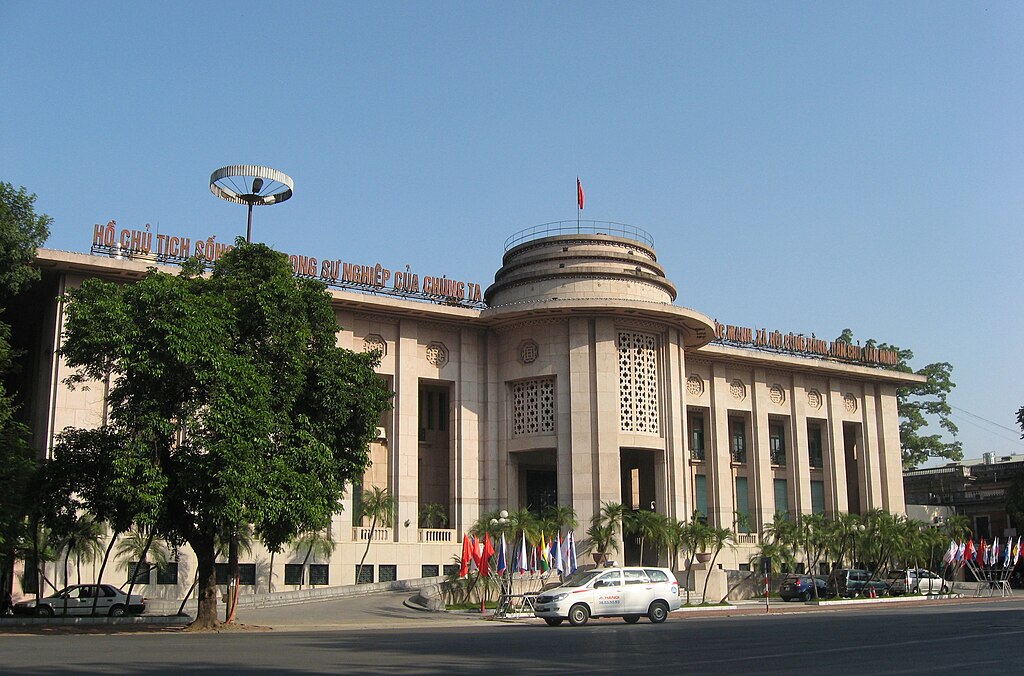
Vietnam’s central bank announced plans to maintain a flexible monetary policy throughout the rest of 2025, emphasizing support for economic growth amid persistent global uncertainties. Deputy Governor of the State Bank of Vietnam (SBV), Pham Thanh Ha, stated on Tuesday that global headwinds will continue to pose risks to the Vietnamese economy, necessitating continued accommodative measures.
The SBV's strategy reflects a cautious approach in balancing inflation control with the need to stimulate domestic demand and business activity. The Deputy Governor noted that total outstanding loans by banks rose 9.9% in the first half of 2025 compared to the end of last year, signaling resilient credit growth despite external challenges.
Vietnam’s economy, which is heavily reliant on exports and foreign investment, remains sensitive to fluctuations in the global market. By keeping monetary policy adaptable, the SBV aims to buffer against potential shocks from geopolitical tensions, interest rate volatility in major economies, and supply chain disruptions.
Market analysts view the SBV’s stance as crucial in maintaining investor confidence and economic momentum. The central bank has previously cut interest rates and injected liquidity to bolster credit flow, especially to key sectors like manufacturing, real estate, and small businesses.
As Vietnam navigates a complex global environment, the SBV’s continued commitment to flexible policy is expected to play a vital role in sustaining stable growth. The policy direction aligns with Vietnam’s broader macroeconomic goals, including inflation stability, currency management, and financial sector resilience.
The central bank’s proactive measures come as Southeast Asian economies increasingly adopt accommodative stances to shield themselves from external shocks and ensure long-term recovery in a post-pandemic world.













