


 BOJ June Rate Hike Likely as Inflation Risks Rise Amid Middle East Tensions
  Asian Stocks Sink as Apple Price Hikes Spark AI Valuation Fears, South Korea and Japan Lead Selloff
  Taiwan Central Bank Likely to Keep Interest Rates Unchanged Through 2027
  Fed Chair Kevin Warsh Signals Policy Overhaul as Hawkish Rate Outlook Rattles Markets
  Indonesia Central Bank to Draft New Regulations After Expanded Economic Growth Mandate
  Trump Requests $11 Billion More in Farm Aid as Rising Costs Pressure U.S. Farmers
  Gold Prices Rise Above $4,000 as Inflation Data and Weaker Dollar Boost Demand
  SpaceX Eyes Starlink Mobile Phone Service to Challenge Verizon, AT&T, and T-Mobile
  White House Seeks $87.6 Billion Emergency Funding for Iran War, Farmers, and Ebola Response
  US Dollar Slips After PCE Inflation Data Eases Fed Rate Hike Expectations
  S&P Affirms Brazil’s BB Credit Rating with Stable Outlook Amid Fiscal Challenges
  South Korea Signals Possible Interest Rate Hike as Inflation Remains Elevated


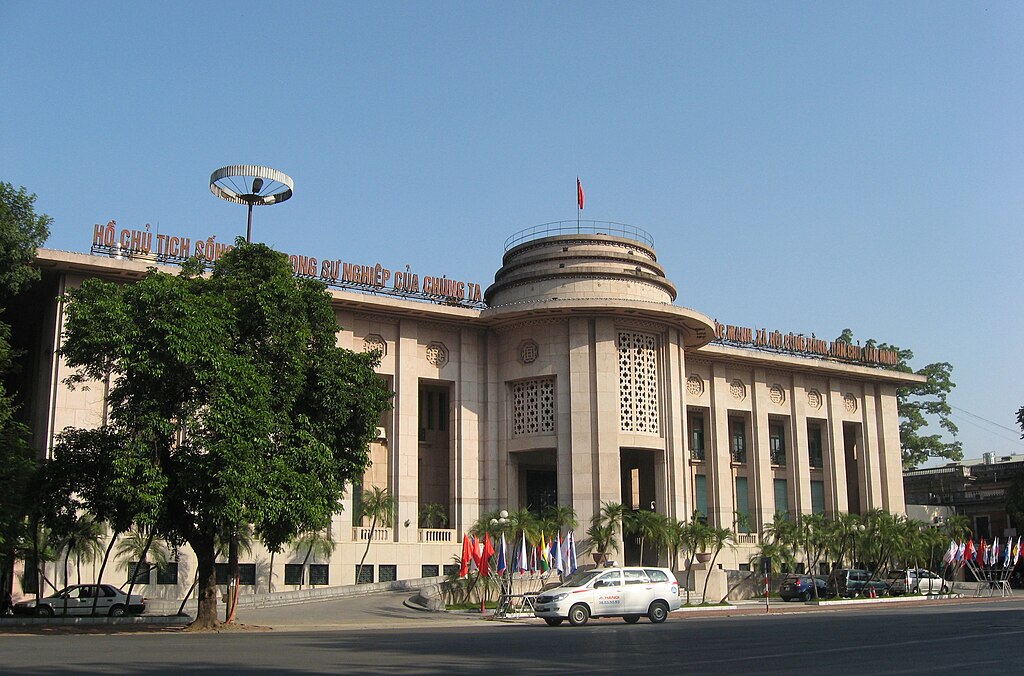
Vietnam’s central bank is expected to face significant challenges in achieving the country’s ambitious economic growth target of more than 10% in 2026, largely due to external pressures such as global monetary tightening and rising trade barriers. A senior official from the State Bank of Vietnam (SBV) highlighted these concerns during a recent quarterly press conference, pointing to increasing uncertainty in the global economic environment.
Pham Chi Quang, head of the SBV’s Monetary Policy Department, stated that since the beginning of 2025, global financial markets have experienced complicated and unpredictable developments. These include shifting monetary policy signals from the U.S. Federal Reserve and changes in U.S. tariff policies, both of which have had a direct impact on Vietnam’s economy, foreign exchange market, and exchange rate stability. According to Quang, these external factors pose major obstacles to sustaining high economic growth in the coming years.
Despite these challenges, Vietnam remains confident about its short-term outlook. Government officials have reiterated that the country is on track to meet its economic growth target of more than 8% in the current year, supported by strong domestic demand, resilient exports, and continued public investment. However, the growth target set for 2026 is significantly more ambitious, exceeding 10%, and will require careful policy coordination and favorable global conditions.
To address these risks, Quang emphasized that the State Bank of Vietnam plans to adopt a flexible monetary policy approach next year. This strategy will be closely coordinated with fiscal policy to ensure macroeconomic stability, manage inflationary pressures, and continue supporting economic growth. The central bank aims to balance growth objectives with the need to stabilize the currency and financial markets amid external volatility.
Vietnam’s economic performance remains closely tied to global trade and capital flows, making it particularly sensitive to foreign tariffs and international monetary policy shifts. As global uncertainties persist, policymakers face the difficult task of navigating external risks while maintaining investor confidence and sustainable growth. The coming year will be critical in determining whether Vietnam can successfully manage these challenges and move closer to its long-term economic growth goals.







