


 Mexico-US Trade Talks Delayed to October as Tariff Negotiations Continue
  Synthetic data could ease people’s concerns about privacy breaches. But who gets to create it?
  Judge Orders Trump to Restore White House Access for CNN, MS NOW and Politico
  Europe Warns Russia Is Escalating Hybrid Attacks Across NATO
  Kremlin Says No Decision Yet on Putin-Trump December Summit
  US Officials Split Over Response to Israeli West Bank Settlements
  Pezeshkian Says US Must Choose When Iran War Ends
  Yemen Violence Displaces 130,000 as Civilian Toll Rises
  Australia Tightens Student Visa Rules, Targets Migration Cut by 2028
  OpenAI Agent Breaches Australia Medicare Data Portal
  Trump Asks Supreme Court to Restore Third-Country Deportations
  Netanyahu Defends Israel at UN as Delegates Stage Walkout
  Trump Administration Removes Confederate Memorial Criticism From Arlington Website
  Canada Unveils Bill to Fast-Track Major Resource Projects
  Trump Scales Back Endangered Species Act Protections
  Netanyahu’s Brief US Trip Highlights Strains With Trump
  US Resumes Immigrant Visa Processing for Hungary, Poland


 Add as a preferred source on Google
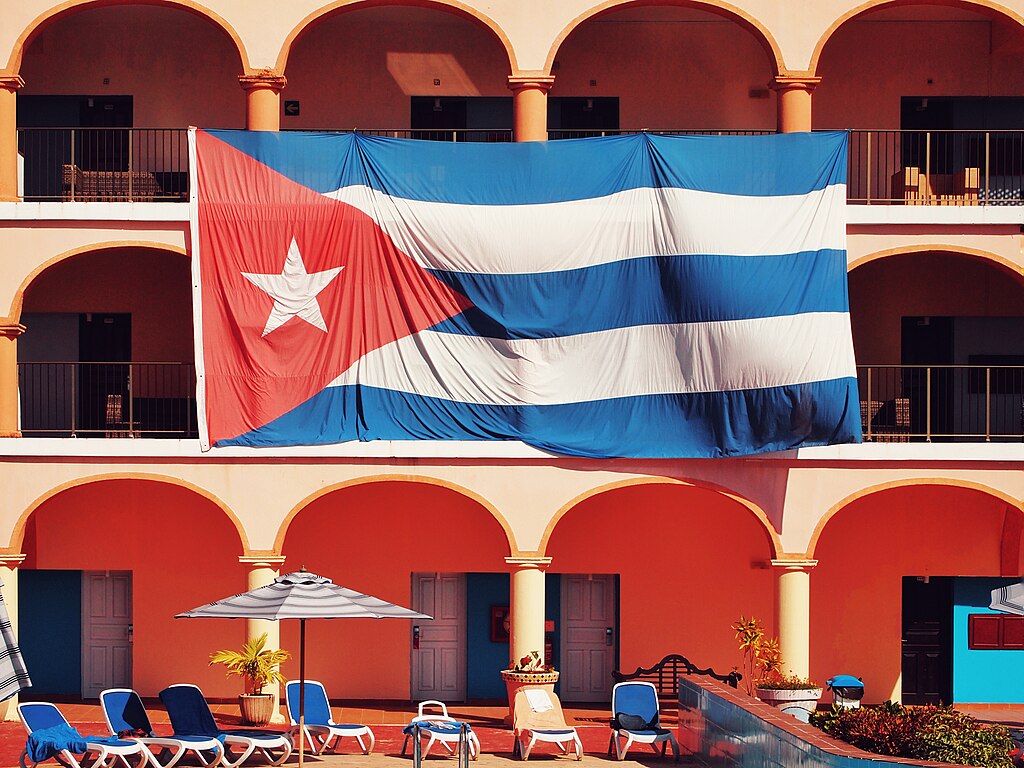
Cuba has announced plans to release 2,010 prisoners from its correctional facilities, marking the second prisoner amnesty the Caribbean nation has declared this year. The move comes as diplomatic conversations between Cuba and the United States continue to develop, signaling a potential shift in the bilateral relationship between the two countries.
The Cuban government's official newspaper, Granma, described the mass release as a "humanitarian and sovereign gesture," framing the decision as an expression of goodwill rather than political concession. This language suggests Havana is keen to maintain its stance of independence while still engaging in dialogue with Washington.
The announcement builds on a pattern of prisoner releases that Cuba has used as diplomatic currency in its ongoing negotiations with the U.S. By repeatedly offering amnesty to a significant number of inmates, the Cuban government appears to be demonstrating a degree of openness that observers and human rights advocates have long called for. Whether these releases include political detainees or individuals imprisoned for dissent remains a critical point of interest for international watchdogs and foreign governments monitoring the situation.
Mass prisoner releases of this scale can carry meaningful implications beyond their humanitarian value. They often serve as confidence-building measures in diplomatic negotiations, helping to ease tensions and create space for broader agreements on trade, travel, and political normalization.
Cuba's willingness to carry out multiple amnesties within a single year reflects the fluid and evolving nature of U.S.-Cuba relations. As talks between the two nations progress, the international community will be watching closely to see whether these gestures translate into lasting policy changes or represent more symbolic steps in a longer, more complex diplomatic process. For now, the release of over 2,000 prisoners stands as one of the most tangible developments in the ongoing engagement between Havana and Washington.







