


 DOJ Will Investigate AI-Related Crimes, Attorney General Blanche Says
  LVMH-Hermès Dispute Deepens Over Secret 2002 Share Deal
  Who should own the knowledge that underpins AI technology?
  CNN, MS NOW and Politico Sue Trump Over White House Media Ban
  OpenAI Rejects Apple Trade Secret Theft Claims
  Denmark Says Greenland Sovereignty Protected in US Military Deal
  Meta Agrees to $18 Billion Settlement, Tightens Teen Social Media Rules
  Trump, Iran Trade Threats as Middle East Tensions Escalate
  Vietnam, US Trade Deal Could Be Signed Soon, To Lam Says
  FAA Allows Boeing to Sell 35 More 777F Freighters Beyond 2028
  South Korea to Brief Lawmakers on $350 Billion US Investment Package
  Trump Scales Back Endangered Species Act Protections
  Trump Sets High-Stakes UN Meetings With Zelenskiy, Gulf Leaders
  Mahmoud Khalil Sues Columbia Over Alleged Pro-Palestinian Harassment
  Appeals Court Rejects Trump Third-Country Deportation Policy
  US Judge Dismisses Imran Ahmed Deportation Lawsuit
  Nvidia-Groq AI Chip Deal Faces U.S. Antitrust Probe


 Add as a preferred source on Google
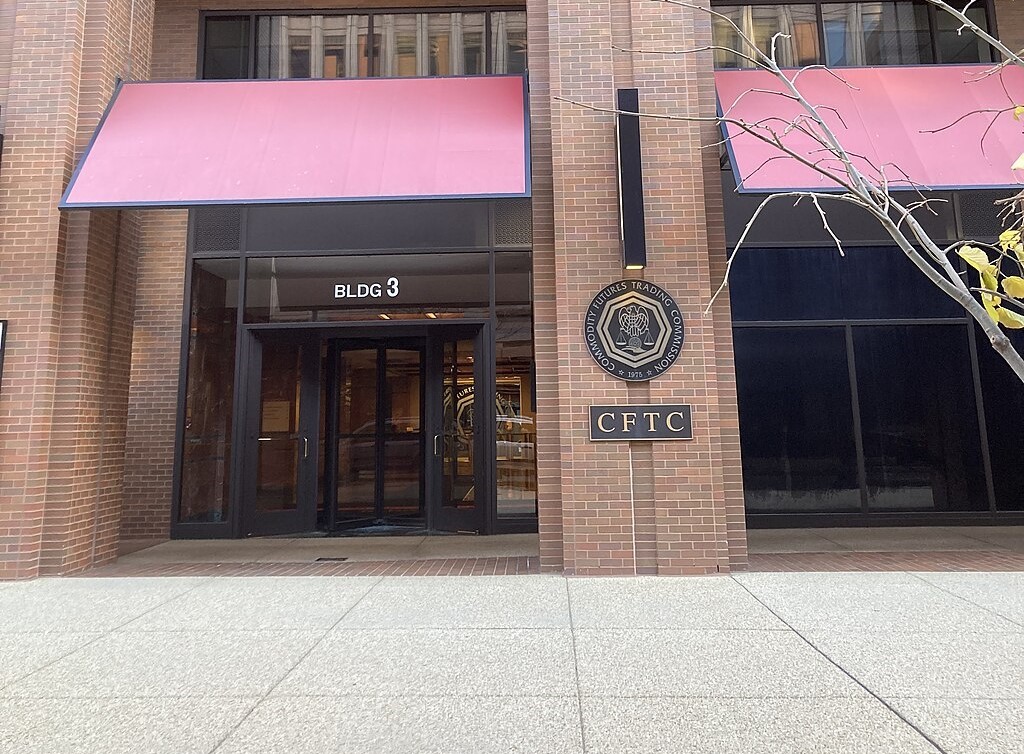
The Trump administration has filed lawsuits against Arizona, Connecticut, and Illinois, seeking to halt what federal officials describe as unlawful state interference in the growing prediction markets industry. The legal action centers on whether state gambling laws can be applied to companies operating federally regulated event contract platforms.
The Commodity Futures Trading Commission filed the suits, arguing that state regulators overstepped their authority by issuing cease-and-desist orders to prediction market operators including Kalshi, Polymarket, Crypto.com, and Robinhood. According to the CFTC, federal law grants it exclusive jurisdiction over national swaps markets, making state-level enforcement actions unconstitutional.
Prediction markets, also known as event contracts, allow users to trade based on the anticipated outcomes of real-world events — ranging from sporting results to political elections. These platforms have grown significantly in popularity, attracting millions of users and substantial investment interest.
CFTC Chairman Michael Selig defended the agency's position, stating the regulator would continue protecting its exclusive authority and shield market participants from what he called overzealous state regulators. The lawsuits name Democratic governors and attorneys general in all three states, including Arizona's Katie Hobbs and Kris Mayes, Connecticut's Ned Lamont and William Tong, and Illinois' JB Pritzker and Kwame Raoul.
State officials pushed back strongly. Connecticut Attorney General William Tong called the federal action a recycled industry argument previously rejected by district courts. Illinois officials accused the administration of ignoring state jurisdiction while prioritizing corporate profits over consumer protections.
Arizona escalated the dispute further by filing criminal charges against Kalshi in March — the first such state criminal case — accusing the company of facilitating illegal gambling and unlicensed election wagering. Kalshi denied the allegations, arguing it operates under federal oversight and should not be subject to a fragmented set of state regulations.







