


 Abbas Reaffirms November 28 Palestinian Elections
  Judge Blocks Trump Rule Limiting Foreign Student Visas
  Ghana Says Western Support Growing for Slave Trade Reparations
  US, China Extend Trade Truce to Jan. 10 Ahead of Trump-Xi Summit
  FCC Approves Foreign Investment in $110B Paramount-Warner Bros. Deal
  Europe Warns Russia Is Escalating Hybrid Attacks Across NATO
  China Tightens Fentanyl Rules Ahead of Trump-Xi Summit
  Trump Administration Plans Faster FDA Reviews for Smoke-Free Nicotine Products
  US Resumes Immigrant Visa Processing for Hungary, Poland
  Saudi Arabia Shuts East-West Oil Pipeline After Drone Attack
  US Immigration Arrests Surge as Deportations Lag Behind
  Trump Scales Back Endangered Species Act Protections
  EU Defence Build-Up Too Slow for 2030 Russia Readiness Goal
  Trump Asks Supreme Court to Restore Third-Country Deportations
  U.S. Imposes New Visa Restrictions Over South Africa Policies


 Add as a preferred source on Google
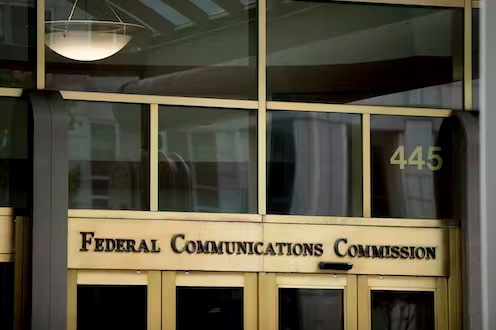
The Federal Communications Commission is escalating its crackdown on Chinese technology by preparing to vote on a sweeping proposal that would prohibit all Chinese laboratories from testing electronic devices intended for the U.S. market. The vote is scheduled for April 30, covering a wide range of consumer electronics including smartphones, cameras, and computers.
This move builds on a prior FCC ruling that banned testing by labs directly owned or controlled by the Chinese government, which resulted in 23 facilities being removed from the approval process. However, the agency acknowledged that the majority of China-based labs continue to test American electronics, prompting the need for a broader restriction. Currently, approximately 75% of all consumer electronics undergo testing in Chinese facilities, highlighting the scale of the proposed change.
To ease the transition for manufacturers, the FCC plans to introduce a streamlined device approval process for products tested in U.S. labs or those located in countries that do not present national security concerns. This parallel initiative is expected to be voted on before the final prohibition is adopted, giving the public an opportunity to submit comments ahead of a formal decision.
The proposal is part of a broader and intensifying effort by Washington to limit Chinese influence over American technology infrastructure. In recent months, the FCC has proposed banning imports of equipment from Chinese firms already flagged as national security risks, including Huawei, ZTE, Hytera, Hikvision, and Dahua. The agency has also moved to restrict imports of Chinese-manufactured drones and consumer routers. Earlier actions barred several Chinese telecom companies from operating within the United States altogether.
Hikvision has publicly pushed back, arguing that retroactively revoking previously approved authorizations is both unlawful and unjust. The Chinese Embassy in Washington has yet to issue a formal response to the latest proposal.







