


 RBI Uses $10 Billion Currency Swaps to Drain Excess Rupee Liquidity
  Dollar Falls as Oil Eases, Yen Jumps on Intervention Signals
  Asian Stocks Fall as Bond Yields Surge Ahead of Trump-Xi Summit
  Japan Private-Sector Growth Slows as Domestic Demand Weakens
  Mexico-US Trade Talks Delayed to October as Tariff Negotiations Continue
  Fed Unveils Stablecoin Rules Under GENIUS Act
  Trump, Xi Focus on Trade and AI at White House Summit
  Oil Prices Jump 3% as Houthi Attack Revives Supply Fears
  U.S. Dollar Hits Two-Month High as Oil, Treasury Yields Surge
  China’s ‘Lipstick King’ Says AI Won’t Replace Livestream Hosts
  Dollar Holds Near Two-Month High as Yen Approaches 160
  U.S. Treasury Yields Surge as 30-Year Hits 22-Year High
  Gold Holds Near $4,275 as Rising Treasury Yields Fuel Fed Rate Hike Bets
  European Stocks Fall as Bond Yields and Geopolitical Risks Weigh
  Oil Prices Fall on U.S.-Iran Hormuz Deal Hopes
  Australia Unemployment Hits Five-Year High Despite Strong Jobs Growth
  Wall Street Ends Flat as Oil, Treasury Yields and Fed Jitters Rattle Markets


 Add as a preferred source on Google
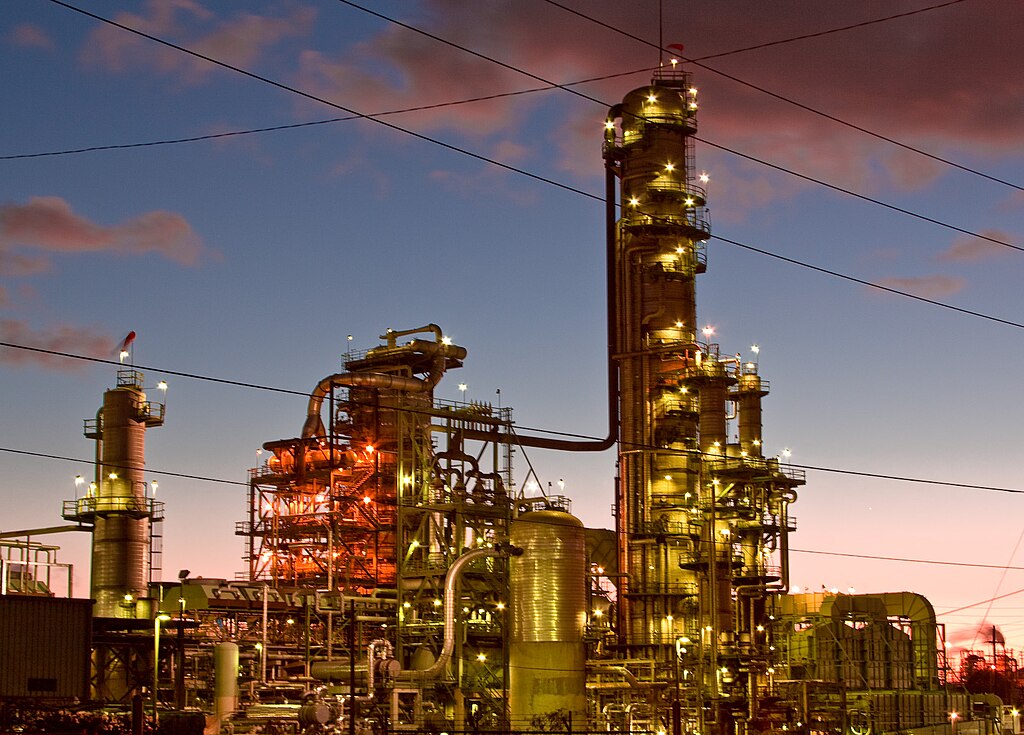
Venezuela’s oil exports have effectively come to a standstill after months of declining shipments triggered by sweeping U.S. sanctions and an intensified oil embargo announced by U.S. President Donald Trump. According to sources close to port and shipping operations, oil terminals across the country are paralyzed as port captains have not received authorization requests for loaded tankers to depart Venezuelan waters. This development underscores the deepening crisis facing the South American nation’s vital oil industry.
The suspension comes amid dramatic political developments, including the reported extraction of Venezuelan President Nicolás Maduro and his wife from Caracas by U.S. authorities, followed by Washington’s announcement that it would oversee a political transition in the country. President Trump confirmed on Saturday that the oil embargo against Venezuela is now fully in effect, reinforcing restrictions on sanctioned tankers entering or leaving Venezuelan ports.
Shipping data shows that several oil tankers carrying crude oil and refined fuel, destined for markets such as the United States and Asia, remain docked and unable to set sail. Meanwhile, other vessels that had been waiting to load cargo reportedly departed empty. Tanker monitoring firm TankerTrackers.com confirmed that no tankers were loading at Venezuela’s primary oil export hub, the Jose port, highlighting the severity of the disruption.
A complete halt in oil exports, including shipments operated by Chevron, PDVSA’s main foreign partner, could further worsen Venezuela’s oil production outlook. Industry sources warn that with onshore storage tanks nearing capacity and floating storage vessels already full, PDVSA may be forced to shut in production at key oilfields. Such output cuts would deepen the country’s economic crisis, given that oil exports remain Venezuela’s main source of revenue.
PDVSA and Chevron have not issued official comments on the situation, but analysts note that prolonged export paralysis could have lasting consequences for global oil markets and Venezuela’s already fragile energy sector.







