


 Fast Retailing Shares Drop as Uniqlo Japan August Sales Fall
  Audi, SAIC Launch China Innovation Hub for New AUDI Models
  Lynas Rare Earths Shares Rise After Takeover Talks Revealed
  Tesla Cybercab Launch Puts Robotaxi Ambitions in Focus
  GSM Eyes US, Europe Expansion Ahead of 2028 Hong Kong IPO
  SEC Seeks ISS Client Voting Records in Proxy Adviser Probe
  Anthropic IPO Marketing Expected to Start in Mid-October
  ByteDance Secures $29.6 Billion Loan to Boost AI Investment
  MongoDB Stock Sinks 14% as Atlas Growth Misses Expectations
  Nvidia Eyes $2.5 Billion Investment in Thinking Machines Lab
  Deutsche Telekom Shares Rise as Elliott Pushes Against T-Mobile Merger
  Shein Shares Drop 5% After Weak Hong Kong IPO Debut
  Xiaomi Shares Jump on Europe EV Expansion Plan
  OpenAI Launches GPT-6 Astra With Advanced AI Agent Capabilities
  Tesla Cybercab Rides Launch in Austin as NHTSA Reviews Rollout
  SpaceX Turbine Push Unlikely to Threaten Howmet, Bernstein Says


 Add as a preferred source on Google
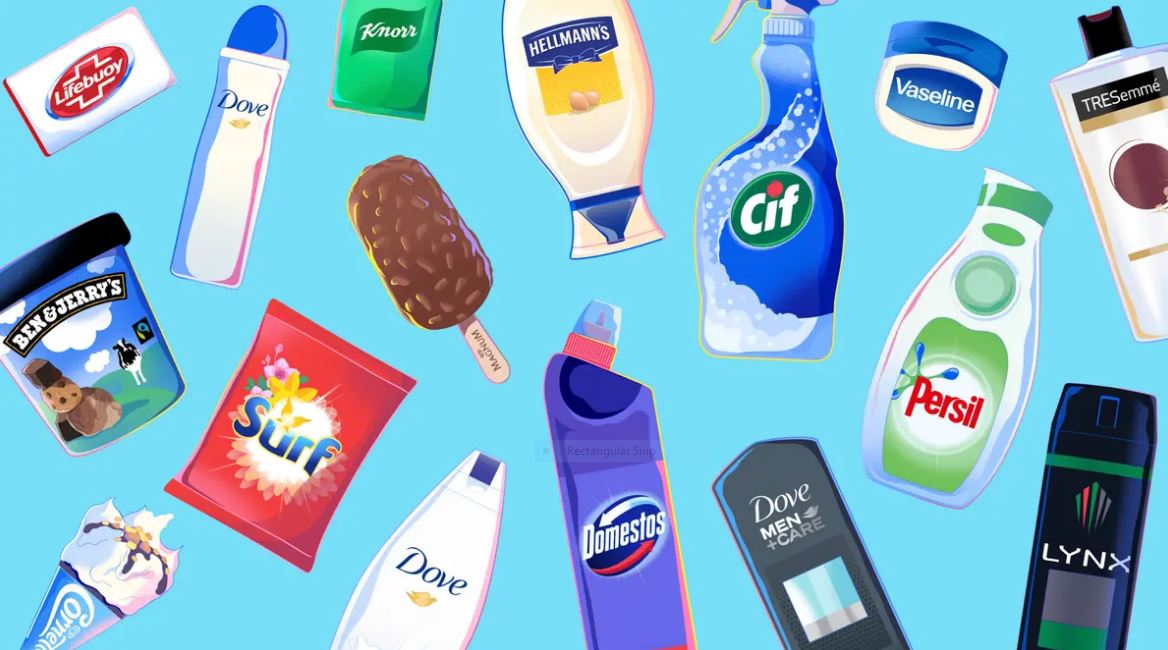
During the fourth quarter, Unilever, known for popular brands like Dove soap and Ben & Jerry's ice cream, faced difficulties defending its market share in grocery stores. Unilever encountered fierce competition from private labels, resulting in a decrease in market share across various categories.
Rising Prices and Consumer Shift
In recent years, the food and consumer products industry has faced escalating prices due to soaring input costs triggered by the pandemic and Russia's invasion of Ukraine. Reuters reported that these price hikes have created a cost of living crisis in Europe and the United States, prompting consumers to turn towards cheaper alternatives, such as private label brands owned by major retailers like Carrefour, Tesco, and Walmart.
Unilever experienced significant underlying price growth, with prices reaching a peak of 13.3% in the fourth quarter of 2022. The company's home care business witnessed a nearly 17% price increase, while its ice cream business reported prices approximately 14% higher during that period. However, according to Nielsen data, Unilever's price hikes have eased recently, with a rise of only 5.8% in the third quarter of 2023.
P&G's Impact and Unilever's Market Share Loss
US News noted that P&G, Unilever's main rival in the household and personal care category, recently adjusted its annual profit forecast due to slowing price hikes. Unilever's shrinking market share has been a cause for concern for investors and analysts, who have cautioned about the potential alienation of shoppers. The rise of private-label brands has posed a particular threat and has been a recurring topic of discussion during conference calls.
Unilever experienced a decline in market share across several product categories. In Europe, the company's market share in the ice cream category decreased by 141 basis points, while mayonnaise declined by 374 basis points. Overall, Unilever's European market share suffered a decline of 160 basis points in food and 52 basis points in household and personal goods.
Challenges in the United States Market
In the United States, Unilever faced significant challenges in maintaining market share in its body wash business, including Dove products, witnessing a decline of 510 basis points. Deodorant brands like Axe also fell by 310 basis points. Unilever's household and personal goods segment in the U.S. experienced a decrease of 245 basis points, while the food segment only lost by 20 basis points.
It is important to note that Nielsen data extracted from checkout registers at grocery stores does not capture all retail channels. Additionally, the data does not provide specific information about which companies have gained market share.
Photo: Unilever Newsroom







