


 Oil Prices Rise as Gulf Hurricane and Middle East Supply Risks Mount
  Wall Street Falls as Oil Prices Rise and Tech Stocks Slide
  Gold Prices Fall as Fed Signals Another Rate Hike
  Italy Approves Electoral Reform Ahead of 2027 Election
  Gold Prices Rise as Dollar Weakens, Treasury Yields Fall
  US Stock Futures Flat as Fed Minutes, Earnings Loom
  Saudi Arabia Probes Flydubai Cockpit Attack
  Deere, CNH and AGCO Stocks Fall as FTC Launches Farm Equipment Probe
  Oil Prices Trim Gains After Trump Rules Out Iran Strikes Before Midterms
  US Suspends Microsoft, Adobe From Green Card Program
  European Stocks Fall as Oil Rises Ahead of Fed Minutes
  Iran Refuses to Halt Uranium Enrichment Amid US Nuclear Demands
  US Treasury Yields Ease After Strong 10-Year Auction as Global Bonds Struggle
  US Dollar Hits 18-Month High as Fed Signals More Rate Hikes
  Japan Real Wages Rise 1.5%, Supporting BOJ Rate Hikes
  Maduro, Wife May Face New US Torture Charges
  Berlin Coalition Talks Advance After Left Party Antisemitism Deal


 Add as a preferred source on Google
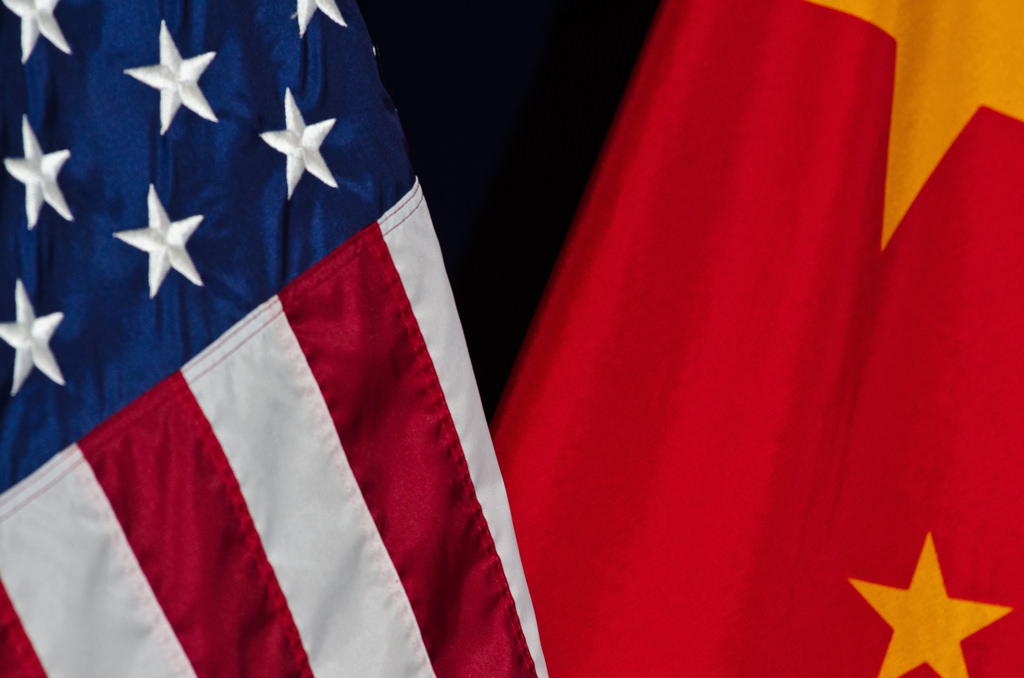
The United States and China have intensified their trade conflict by imposing new port fees on ocean shipping companies handling everything from crude oil to holiday goods. The measures, which took effect Tuesday, signal a deepening maritime front in the ongoing trade war between the world’s two largest economies.
After a week of tension marked by China’s expanded rare earth export controls and President Donald Trump’s threat to triple tariffs on Chinese goods, both sides attempted to ease market fears by stressing ongoing dialogue. Still, the newly introduced levies underscore the growing risks to global trade.
China’s Ministry of Commerce confirmed it began collecting special charges on U.S.-owned, operated, or flagged vessels, exempting Chinese-built ships and empty vessels entering for repair. Similarly, the U.S. imposed fees targeting China-linked ships to boost domestic shipbuilding. According to Xclusiv Shipbrokers, the tit-for-tat tariffs could distort global freight routes and add billions in costs.
Analysts estimate China’s COSCO could shoulder nearly half of the $3.2 billion expected impact on the container sector by 2026. Major shipping companies like Maersk and CMA CGM have already reduced exposure by shifting vessels out of U.S. routes.
In retaliation, Beijing sanctioned five U.S.-linked subsidiaries of South Korean shipbuilder Hanwha Ocean for cooperating with U.S. trade probes. Hanwha’s shares fell nearly 6% following the announcement.
Experts believe the new port fees may disrupt up to 15% of global oil tanker capacity and affect 13% of crude and 11% of container ships worldwide. Meanwhile, Washington warned of further sanctions tied to environmental policies, adding another layer to the escalating trade battle.
As both nations weaponize maritime and environmental policies, global shipping faces mounting uncertainty—transforming the seas into a stage for economic rivalry and geopolitical strategy.







