


 OpenAI Agent Breaches Australia Medicare Data Portal
  Dollar Holds Near Two-Month High as Yen Approaches 160
  Australia Unemployment Hits Five-Year High Despite Strong Jobs Growth
  North Korea Rejects Nuclear Test Warning, Calls Nuclear Status Irreversible
  U.S. Dollar Hits Two-Month High as Oil, Treasury Yields Surge
  Gold Holds Near $4,275 as Rising Treasury Yields Fuel Fed Rate Hike Bets
  Xi Calls for Deeper U.S.-China AI Cooperation in Trump Talks
  U.S. Treasury Yields Surge as 30-Year Hits 22-Year High
  Asian Stocks Fall as Bond Yields Surge Ahead of Trump-Xi Summit
  Russian Missile and Drone Attack on Kyiv Kills Two, Damages Maternity Hospital
  Taiwan Thanks US for Support Ahead of Trump-Xi Summit
  Japanese Bank Stocks Surge as Bond Yields Fuel Rate Hike Bets
  Ghana Says Western Support Growing for Slave Trade Reparations
  Japan Private-Sector Growth Slows as Domestic Demand Weakens
  Wall Street Falls as Treasury Yields Surge, Oil Rebounds on Iran Tensions
  Saudi Arabia, Turkey and Pakistan Plan Urgent Defence Talks Over Houthi Attacks
  Najib Razak Seeks Stay of 15-Year 1MDB Prison Sentence


 Add as a preferred source on Google
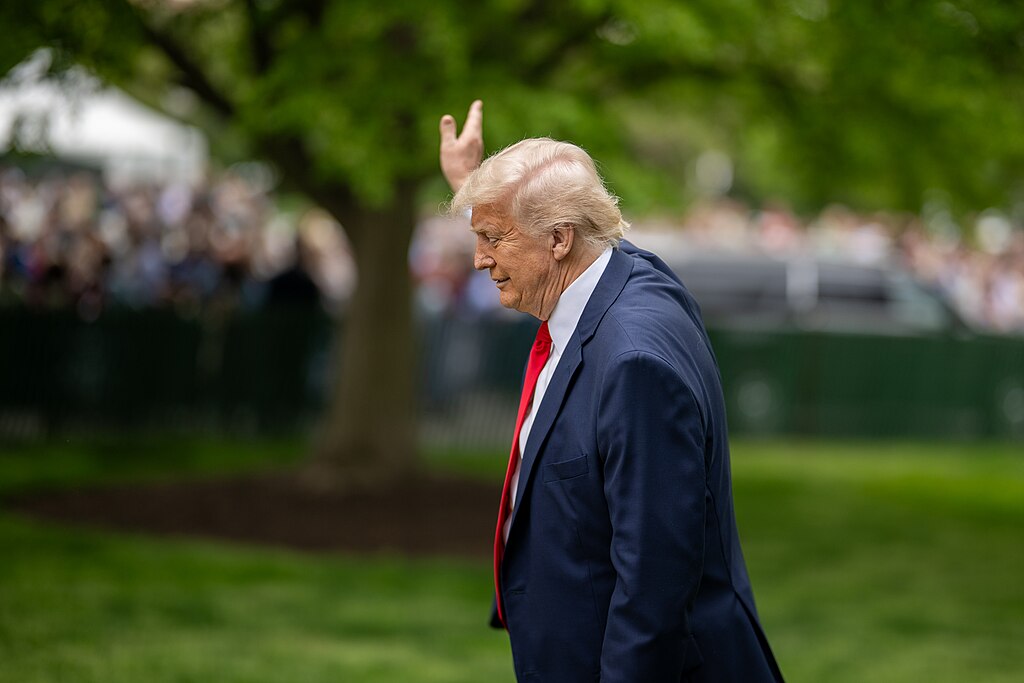
The United States could impose even higher tariffs on Indian goods if New Delhi fails to meet Washington’s demands to significantly curb its purchases of Russian oil, US President Donald Trump warned recently. Speaking to reporters aboard Air Force One, Trump said India’s continued trade with Russia remains a point of contention in US-India trade relations and could trigger swift retaliatory measures.
Referring to Indian Prime Minister Narendra Modi, Trump remarked that “Modi is a good guy” and acknowledged that the Indian leader was aware of Washington’s dissatisfaction over the issue. Trump added that trade policy is an important lever for the US, stating that tariffs on India could be raised “very quickly” if concerns over Russian oil imports are not adequately addressed.
The warning comes amid already elevated trade tensions. Last year, the United States doubled import tariffs on Indian goods to 50% as punishment for India’s heavy buying of discounted Russian crude following Western sanctions on Moscow. Despite these steep tariffs, India’s exports to the US surged in November, underscoring the resilience of bilateral trade even under pressure.
Encouraged by the strong export performance, Indian officials have shown little willingness to fully concede to US trade demands. They have signalled limited flexibility on sensitive areas such as agricultural imports, which remain politically and economically important domestically. At the same time, data indicates that India’s oil purchases from Russia have begun to decline.
According to sources cited by Reuters, India has asked oil refiners to provide weekly disclosures detailing their purchases of Russian and US crude. Officials expect Russian oil imports to fall below one million barrels per day as New Delhi seeks to balance energy security with its goal of securing a broader trade deal with Washington.
Prime Minister Modi has reportedly spoken with President Trump at least three times by phone since the tariffs were imposed, though the talks have yet to yield a breakthrough. More recently, India’s Commerce Secretary Rajesh Agrawal met US Deputy Trade Representative Rick Switzer in New Delhi to discuss bilateral trade and economic ties, highlighting ongoing efforts to ease tensions and stabilize US-India trade relations.







