


 Saudi Arabia, Turkey and Pakistan Plan Urgent Defence Talks Over Houthi Attacks
  Trump Asks Supreme Court to Restore Third-Country Deportations
  Russian Missile and Drone Attack on Kyiv Kills Two, Damages Maternity Hospital
  Trump, Xi Visit US National Archives After White House Summit
  Sudan Rejects US Legitimacy Remarks, Defends Sovereignty
  Najib Razak Seeks Stay of 15-Year 1MDB Prison Sentence
  South Korea, US Discuss Warship Building Cooperation
  Netanyahu Takes Aim at Mamdani as Israel Election Nears
  Netanyahu Defends Israel at UN as Delegates Stage Walkout
  US Backs Musk in Fight Against EU’s €120 Million X Fine
  Trump, Xi Focus on Trade and AI at White House Summit
  OpenAI Agent Breaches Australia Medicare Data Portal
  Mexico-US Trade Talks Delayed to October as Tariff Negotiations Continue
  Xi Calls for Deeper U.S.-China AI Cooperation in Trump Talks
  Ukrainian Drone Attacks Hit Russian Regions, Injuring at Least 12
  North Korea Rejects Nuclear Test Warning, Calls Nuclear Status Irreversible
  France Defends Netanyahu Airspace Clearance Despite ICC Warrant


 Add as a preferred source on Google
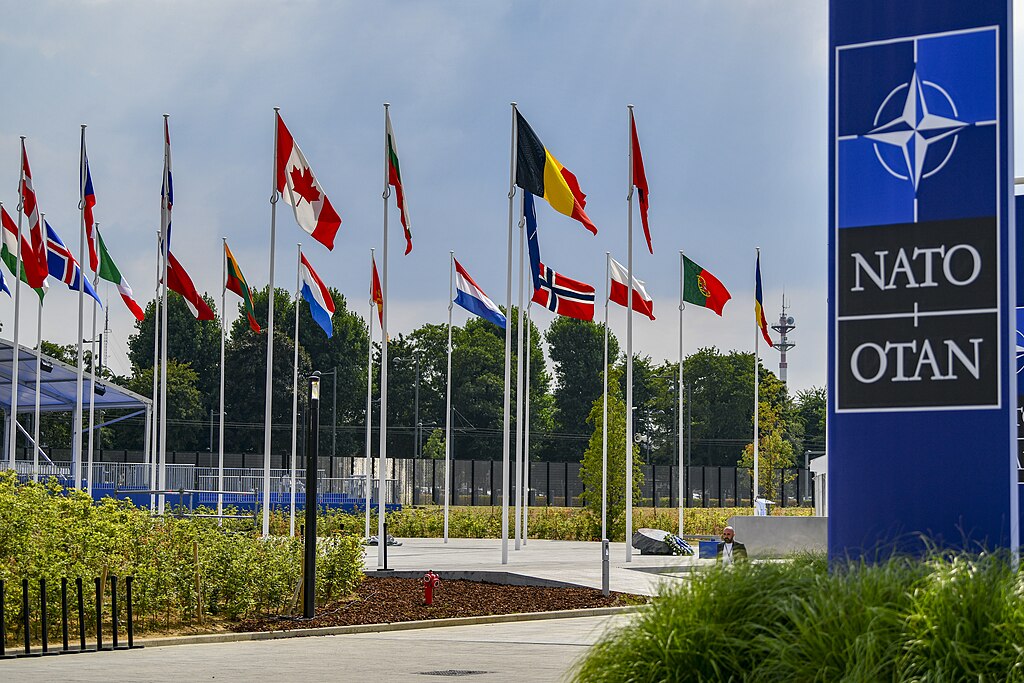
The United States is pushing European NATO members to assume most of the alliance’s conventional defense responsibilities by 2027, according to several sources familiar with recent high-level discussions in Washington. Pentagon officials reportedly told European diplomats that the U.S. expects Europe to expand its capabilities across intelligence, missile defense, troop deployments, and other non-nuclear assets. The accelerated timeline, however, has been met with skepticism among European officials who warn that the deadline is unrealistic.
During the closed-door meeting, U.S. officials signaled dissatisfaction with Europe's progress since Russia’s expanded invasion of Ukraine in 2022. They warned that if European nations fail to meet the proposed 2027 benchmark, the U.S. might reduce participation in some NATO coordination structures. Some members of Congress are said to be concerned about the implications of this message.
What remains unclear is how Washington intends to evaluate Europe’s progress. While European nations have raised defense spending and acknowledged the need to take on more security responsibilities, they argue that replacing key U.S. capabilities cannot happen quickly. Europe continues to face production delays in weapons manufacturing and long delivery times for high-demand American systems, complicating efforts to scale up military readiness.
The U.S. also contributes intelligence, surveillance, and reconnaissance capabilities that European allies cannot easily replicate—assets that have been essential in supporting Ukraine.
Although NATO officials agree that European allies are increasingly taking responsibility for their own defense, they did not comment directly on the 2027 deadline. The EU itself has set a goal of strengthening Europe’s ability to defend itself by 2030, a target many experts already consider ambitious.
The Trump administration has long pressed Europe to carry a larger share of NATO’s defense load. While Trump has sent mixed signals about the alliance, his administration continues to emphasize that the U.S. expects Europe to lead on its own security.







