


 U.S. Imposes New Visa Restrictions Over South Africa Policies
  Synthetic data could ease people’s concerns about privacy breaches. But who gets to create it?
  US Resumes Immigrant Visa Processing for Hungary, Poland
  Trump Administration Removes Confederate Memorial Criticism From Arlington Website
  SEC Seeks ISS Client Voting Records in Proxy Adviser Probe
  Australia Defends Social Media Algorithm Law Amid US Concerns
  FCC Approves Foreign Investment in $110B Paramount-Warner Bros. Deal
  Saudi Arabia Shuts East-West Oil Pipeline After Drone Attack
  Australia Plans New Rules Giving Users Control Over Social Media Feeds
  Judge Blocks Trump Rule Limiting Foreign Student Visas
  FDA Names Permanent Drug and Biologics Center Chiefs
  US Judge Dismisses Imran Ahmed Deportation Lawsuit
  Nvidia-Groq AI Chip Deal Faces U.S. Antitrust Probe
  Appeals Court Rejects Trump Third-Country Deportation Policy
  U.S. Issues Cuba Health Alert as Illnesses Rise
  Trump Scales Back Endangered Species Act Protections
  US Bans Canadian Alcohol, Motorcycles as Trade War Escalates


 Add as a preferred source on Google
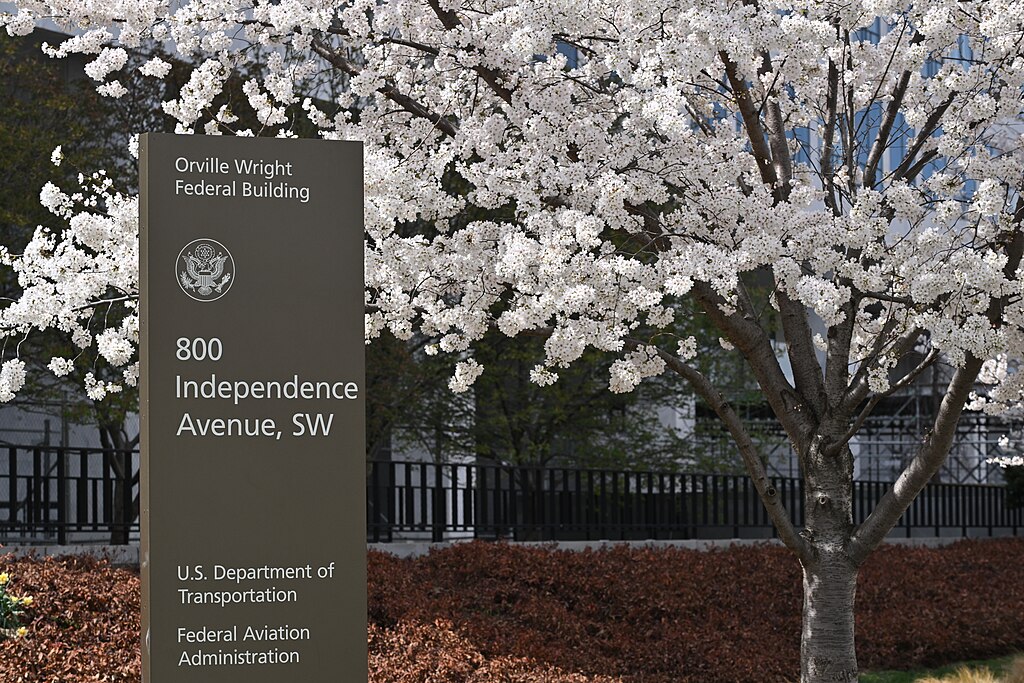
Federal aviation authorities temporarily suspended flight operations at three major Washington, DC-area airports Friday evening following the detection of a suspicious odor at a key Virginia air traffic control facility. The Federal Aviation Administration confirmed that the smell prompted the evacuation of the Potomac Consolidated Terminal RADAR Approach Control (TRACON) — the facility responsible for managing airspace across multiple regional airports.
Ground stops were issued at Reagan Washington National Airport, Washington Dulles International Airport, and Baltimore/Washington International Airport at approximately 6:40 p.m. EDT, with smaller airports in Charlottesville and Richmond also affected. Flight tracking platform Flightradar24 reported that inbound flights began holding patterns or diverting to alternate destinations, while no departures were recorded from the affected airports following the suspension.
According to a source familiar with the situation, the odor resembled a burning smell strikingly similar to an incident that occurred just two weeks prior. On March 13, the FAA had briefly halted air traffic at the same Warrenton, Virginia facility after a circuit board overheated and released a strong chemical odor. Friday's disruption marked the second such event within a short span, raising concerns about the reliability of the critical infrastructure supporting one of the nation's busiest aviation corridors.
Flight data from FlightAware indicated that roughly 25% of flights at both Baltimore and Reagan National experienced delays, while Dulles saw an 11% delay rate. The FAA stated that an operational update was expected around 8:00 p.m. EDT as crews worked to assess and clear the facility.
The repeated disruptions highlight growing scrutiny over aging air traffic control infrastructure. Aviation experts and lawmakers have increasingly called for upgraded systems to prevent incidents that cascade into widespread flight delays and passenger inconveniences across the greater Washington metropolitan area.







