


 US, China Extend Trade Truce to Jan. 10 Ahead of Trump-Xi Summit
  Abbas Reaffirms November 28 Palestinian Elections
  Mexico-US Trade Talks Delayed to October as Tariff Negotiations Continue
  EU Defence Build-Up Too Slow for 2030 Russia Readiness Goal
  North Korea Rejects Nuclear Test Warning, Calls Nuclear Status Irreversible
  Yemen Violence Displaces 130,000 as Civilian Toll Rises
  Netanyahu Defends Israel at UN as Delegates Stage Walkout
  OpenAI Agent Breaches Australia Medicare Data Portal
  Kremlin Says No Decision Yet on Putin-Trump December Summit
  France Defends Netanyahu Airspace Clearance Despite ICC Warrant
  NATO Boosts Intelligence Sharing Amid Russia Hybrid Threats
  Russian Missile and Drone Attack on Kyiv Kills Two, Damages Maternity Hospital
  Judge Orders Trump to Restore White House Access for CNN, MS NOW and Politico
  Trump Administration Plans Faster FDA Reviews for Smoke-Free Nicotine Products
  Trump, Xi Focus on Trade and AI at White House Summit
  Taiwan Thanks US for Support Ahead of Trump-Xi Summit
  Netanyahu Takes Aim at Mamdani as Israel Election Nears


 Add as a preferred source on Google
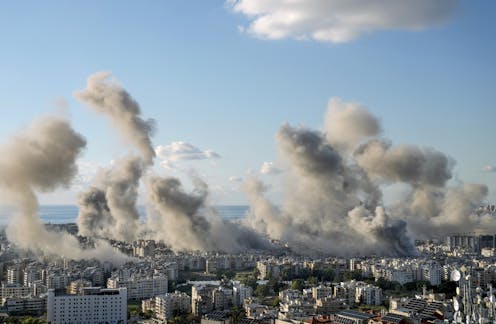
Israel carried out an airstrike on Beirut on Wednesday, marking the first attack on the Lebanese capital since last month’s ceasefire agreement with Hezbollah. According to Israeli officials, the strike targeted a commander from Hezbollah’s elite Radwan force in the southern suburbs of Beirut, an area known as a stronghold of the Iran-backed militant group.
Israeli Prime Minister Benjamin Netanyahu and Defense Minister Israel Katz confirmed the operation in a joint statement. Local Israeli media reported that the Hezbollah commander was killed, although neither the Israeli military nor Hezbollah immediately verified the claim.
The renewed violence has raised concerns over the stability of the Lebanon ceasefire, which has been considered a critical part of a wider U.S.-Iran de-escalation effort. Iran reportedly pushed for an end to Israeli attacks in Lebanon as part of ongoing diplomatic discussions with Washington.
Despite the ceasefire, tensions between Israel and Hezbollah have continued to escalate. Israeli troops remain stationed in parts of southern Lebanon south of the Litani River, while Hezbollah has launched rockets and armed drones toward Israeli positions. The Israeli military also announced additional strikes on Hezbollah infrastructure across Lebanon after intercepting what it described as a hostile aircraft approaching Israeli territory.
Lebanese Prime Minister Nawaf Salam stated that discussions about high-level diplomatic meetings between Lebanon and Israel remain premature. He emphasized that strengthening the ceasefire and securing a complete Israeli withdrawal from southern Lebanon are Beirut’s immediate priorities.
Lebanese President Joseph Aoun also stressed that a security agreement and an end to Israeli attacks must come before any direct meeting with Netanyahu. Meanwhile, U.S. President Donald Trump recently expressed optimism about a potential peace agreement between Israel and Lebanon later this year.
The ongoing Israel-Hezbollah conflict has already claimed thousands of lives since fighting intensified on March 2, further fueling instability across the Middle East in 2026.







