


 Netanyahu Takes Aim at Mamdani as Israel Election Nears
  US Invites Putin to Miami G20, Opening Door to Trump Summit
  Europe Warns Russia Is Escalating Hybrid Attacks Across NATO
  NATO Boosts Intelligence Sharing Amid Russia Hybrid Threats
  Russian Envoy Dmitriev Heads to US for Ukraine Talks
  Sudan Rejects US Legitimacy Remarks, Defends Sovereignty
  Taiwan Thanks US for Support Ahead of Trump-Xi Summit
  US Officials Split Over Response to Israeli West Bank Settlements
  Trump, Xi Focus on Trade and AI at White House Summit
  North Korea Rejects Nuclear Test Warning, Calls Nuclear Status Irreversible
  Netanyahu Defends Israel at UN as Delegates Stage Walkout
  Netanyahu’s Brief US Trip Highlights Strains With Trump
  Mexico-US Trade Talks Delayed to October as Tariff Negotiations Continue
  Trump Administration Plans Faster FDA Reviews for Smoke-Free Nicotine Products
  US Backs Musk in Fight Against EU’s €120 Million X Fine
  US Senate Rejects Iran War Powers Resolution in 50-49 Vote
  Trump Asks Supreme Court to Restore Third-Country Deportations


 Add as a preferred source on Google
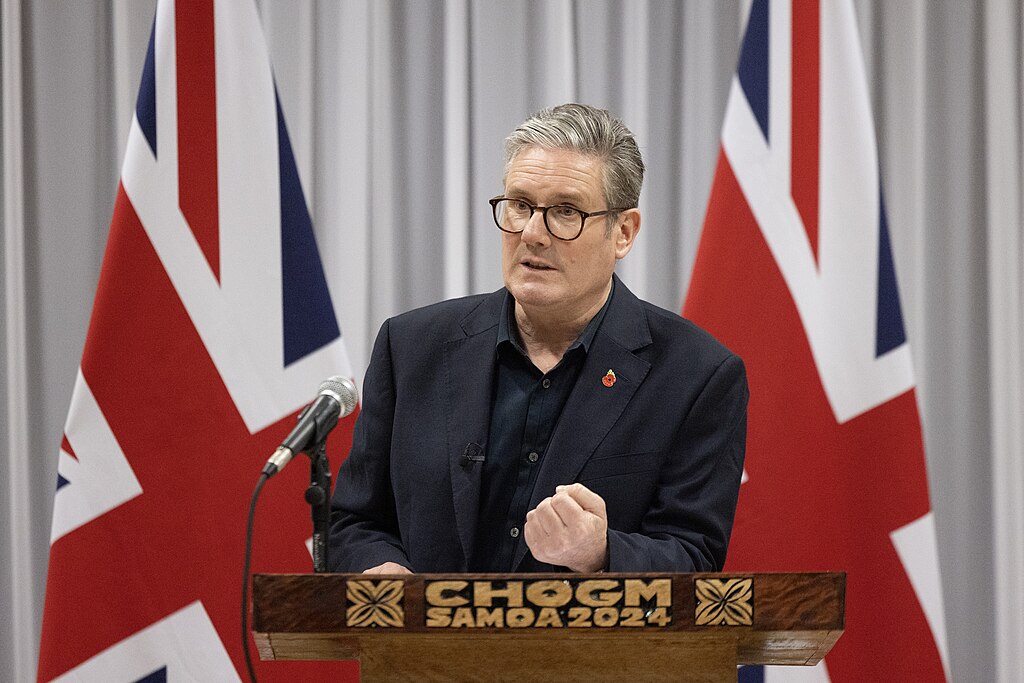
Millions of voters across Britain headed to the polls on Thursday in crucial local and regional elections that could significantly weaken Prime Minister Keir Starmer’s Labour Party and reshape the country’s political landscape. The elections, covering nearly 5,000 council seats in England along with parliamentary contests in Scotland and Wales, are being viewed as a major test of Starmer’s leadership less than two years after Labour’s landslide national victory.
Recent polls indicate that Nigel Farage’s Reform UK is poised to make substantial gains, particularly in England, where the populist party is expected to expand council control and strengthen its national influence. In Scotland and Wales, Reform UK could emerge as a leading opposition force against the Scottish National Party and Plaid Cymru, signaling growing frustration with Britain’s traditional political establishment.
Labour is also facing pressure from the left, with the Green Party expected to challenge the party’s dominance in London and other urban areas. Analysts warn that disappointing results could trigger renewed calls within Labour for Starmer to step aside or announce a timeline for his departure.
Economic concerns are adding to the political tension. Investors have pushed British borrowing costs higher amid fears that Labour could shift further left if Starmer is replaced by a more aggressive spending advocate. Despite mounting criticism, Starmer has vowed to continue leading the government and address Britain’s ongoing cost-of-living crisis, worsened by geopolitical conflicts in Ukraine and Iran.
Starmer recently promised a more “active, interventionist government” as he attempts another political reset following controversy surrounding Peter Mandelson’s appointment as British ambassador to the United States. Mandelson’s alleged connections to Jeffrey Epstein and business ties with Russia and China have fueled public criticism and intensified pressure on the Labour leadership.
While some Labour lawmakers are reportedly considering moves against Starmer, senior party figures have warned against internal divisions that could further damage Labour’s public image ahead of future national elections.







