


 Australia Unemployment Hits Five-Year High Despite Strong Jobs Growth
  US Stock Futures Fall as Treasury Yields Surge Ahead of Trump-Xi Summit
  Oil Prices Jump 3% as Houthi Attack Revives Supply Fears
  Mexico-US Trade Talks Delayed to October as Tariff Negotiations Continue
  RBI Uses $10 Billion Currency Swaps to Drain Excess Rupee Liquidity
  U.S. 10-Year Treasury Yield Hits 2007 High as Fed Rate Hike Bets Rise
  Gold Prices Fall as Treasury Yields Rise on Fed Rate Hike Bets
  China’s ‘Lipstick King’ Says AI Won’t Replace Livestream Hosts
  European Stocks Slip as Iran Tensions Offset Strong Eurozone Data
  Wall Street Falls as Treasury Yields Surge, Oil Rebounds on Iran Tensions
  European Stocks Fall as Bond Yields and Geopolitical Risks Weigh
  Asian Stocks Fall as Bond Yields Surge Ahead of Trump-Xi Summit
  Russian Envoy Dmitriev Heads to US for Ukraine Talks
  Japan Private-Sector Growth Slows as Domestic Demand Weakens
  Fed Unveils Stablecoin Rules Under GENIUS Act
  U.S. Dollar Hits Two-Month High as Oil, Treasury Yields Surge
  Oil Prices Surge as U.S.-Iran Diplomacy Hopes Fade


 Add as a preferred source on Google
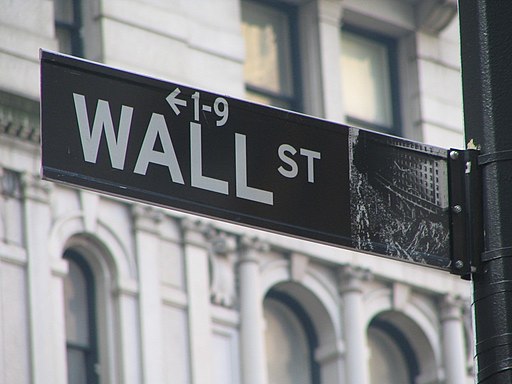
U.S. stock index futures edged lower on Thursday evening, giving back some gains after a strong Wall Street rally driven by optimism surrounding a new U.S.-Iran agreement and a powerful surge in semiconductor stocks. Trading activity remained relatively light ahead of the Juneteenth holiday, as investors assessed geopolitical developments and the outlook for interest rates.
S&P 500 Futures declined 0.2% to 7,553.0 points, while Nasdaq 100 Futures slipped 0.3% to 30,622.50 points. Dow Jones Futures also moved lower, falling 0.1% to 51,934.0 points.
Investor sentiment improved significantly after U.S. President Donald Trump and Iranian President Masoud Pezeshkian reportedly signed a memorandum of understanding aimed at ending hostilities and reopening the Strait of Hormuz. The agreement includes a 60-day negotiation period focused on Iran’s nuclear program, with Tehran committing not to pursue or develop nuclear weapons.
The reopening of the Strait of Hormuz, a critical global oil shipping route, boosted market confidence by easing concerns over potential disruptions to energy supplies. As a result, oil prices fell sharply, helping reduce fears that higher energy costs could fuel persistent inflation.
Wall Street closed higher on Thursday, recovering from losses recorded in the previous session after the Federal Reserve adopted a more hawkish tone on interest rates. The S&P 500 gained 1.1%, while the Nasdaq Composite jumped 1.9%. The Dow Jones Industrial Average posted a more modest increase of 0.1%.
Technology and semiconductor stocks led the rally. Intel Corporation surged more than 10% after Trump stated that Apple had agreed to collaborate with the chipmaker on semiconductor development projects in the United States. The announcement sparked broad gains across the chip sector, pushing the Philadelphia Semiconductor Index up 6.4% to a record closing high.
Artificial intelligence-related optimism also continued to support major technology stocks. Meanwhile, Apple shares edged higher after CEO Tim Cook indicated that rising memory costs could force the company to increase prices on some devices.
Despite Thursday’s strong gains, the slight decline in futures suggests investors remain cautious as they monitor geopolitical developments, Federal Reserve policy signals, inflation trends, and the performance of the technology sector.







