


 Mexico-US Trade Talks Delayed to October as Tariff Negotiations Continue
  Asian Currencies Mixed as Dollar Holds Near Two-Month High
  Dollar Hits Two-Month High as Fed Rate Hike Bets Rise
  Wall Street Ends Flat as Oil, Treasury Yields and Fed Jitters Rattle Markets
  Fed Unveils Stablecoin Rules Under GENIUS Act
  Fed Unveils Stablecoin Rules Under GENIUS Act
  Japan Private-Sector Growth Slows as Domestic Demand Weakens
  Oil Prices Surge as U.S.-Iran Diplomacy Hopes Fade
  RBI Uses $10 Billion Currency Swaps to Drain Excess Rupee Liquidity
  US Dollar Hits Two-Month High as Fed Rate Hike Bets Rise
  US Stock Futures Fall as Treasury Yields Surge Ahead of Trump-Xi Summit
  Asian Stocks Fall as Bond Yields Surge Ahead of Trump-Xi Summit
  Russian Envoy Dmitriev Heads to US for Ukraine Talks
  Gold Drops Over 1% as Dollar, Treasury Yields Surge on Fed Rate Hike Bets
  Soybean Futures Slip as Traders Await Trump-Xi Trade Signals
  US 10-Year Treasury Yield at 6% Emerges as New Market Risk Threshold


 Add as a preferred source on Google
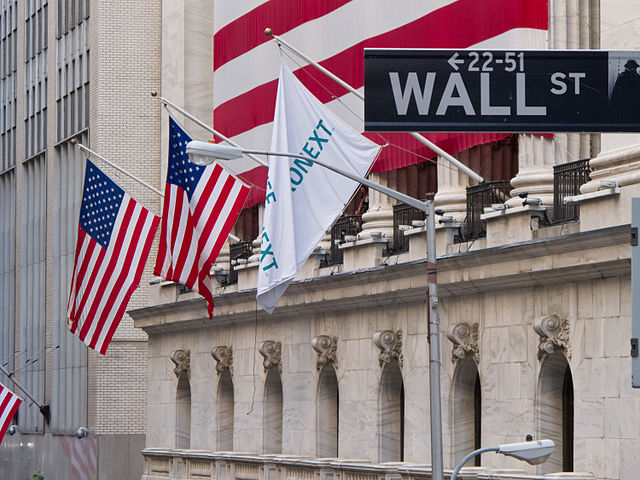
U.S. stock index futures declined on Thursday evening as weakness in technology and semiconductor stocks continued, while disappointing guidance from Netflix and ongoing geopolitical tensions kept investors cautious ahead of another busy earnings week.
S&P 500 Futures dropped 0.5% to 7,537.0, Nasdaq 100 Futures lost 0.9% to 28,961.25, and Dow Jones Futures slipped 0.5% to 52,518.0 by 21:51 ET (01:51 GMT). The losses followed a weak Wall Street session in which chipmakers led the market lower despite strong earnings from Taiwan Semiconductor Manufacturing Co. (TSMC).
Market sentiment deteriorated further after President Donald Trump accused China of obtaining sensitive U.S. voter data and potentially interfering in U.S. elections since 2020, adding another layer of uncertainty for investors.
Netflix shares tumbled nearly 9% in after-hours trading after the streaming giant issued third-quarter revenue and profit guidance below Wall Street expectations. The weaker outlook overshadowed solid second-quarter results and intensified pressure on technology stocks, which have already faced scrutiny over lofty artificial intelligence-driven valuations.
Alphabet also weighed on the sector, falling 4.4% after reports suggested the company delayed the launch of its Gemini 3.5 Pro AI model. Semiconductor stocks remained the biggest laggards, with the Philadelphia Semiconductor Index dropping 4.3%. TSMC declined 2.3% despite reporting strong quarterly earnings and raising its revenue outlook, as investors focused instead on its increased capital spending plans and concerns over AI investment sustainability. Intel fell 5.8%, while Nvidia lost 2.4%.
Investors are now looking ahead to earnings from major technology companies, including Alphabet, Amazon, Microsoft, and Meta Platforms, which could shape broader market sentiment.
Wall Street closed lower on Thursday, with the Nasdaq Composite falling 1.5%, the S&P 500 declining 0.5%, and the Dow Jones Industrial Average slipping 0.2%. Ongoing U.S. military strikes against Iran and retaliatory actions from Tehran disrupted the Strait of Hormuz, lifting oil prices and fueling inflation concerns.
Adding to market pressure, Dallas Federal Reserve President Lorie Logan reiterated the case for modestly higher interest rates, warning that rising energy costs could keep inflation elevated despite softer-than-expected June inflation data.







