


 Oil Prices Fall as Middle East Ceasefire Hopes Rise
  BOJ’s Himino Signals Timely Rate Hikes as Inflation Risks Rise
  Sweden Retail Sales Slip 0.2% in July
  Bank of Korea Raises Rates to 3% as Inflation Stays Sticky
  Fed Chair Warsh Faces Key Jackson Hole Test
  Hong Kong Home Prices Fall 0.5% in July, Ending Long Winning Streak
  German Industry Pushes Merz for Tougher China Trade Policy
  Carney’s Trump Tariff Pushback Wins Canadian Support, but Economic Risks Mount
  Is Europe developing Ukraine war fatigue?
  Dollar Steady Ahead of Jackson Hole as Yen Holds Firm


 Add as a preferred source on Google
U.S. consumer inflation likely eased in June, but economists say the slowdown may provide little relief for households or significantly reduce the likelihood of another Federal Reserve interest rate hike later this year, as renewed conflict in the Middle East keeps energy prices elevated.
Economists surveyed by Reuters expect the Consumer Price Index (CPI) to rise 3.8% year over year in June, slowing from May’s 4.2% increase, which marked the fastest pace since April 2023. Monthly CPI is forecast to decline 0.1%, the first monthly drop since May 2020, largely due to lower gasoline prices during the brief ceasefire between the United States and Iran.
That relief has already begun to fade. Fighting resumed after attacks on commercial tankers in the Strait of Hormuz triggered fresh military action between Washington and Tehran. According to AAA, the U.S. national average gasoline price climbed to $3.87 per gallon on Monday from $3.80 a week earlier. President Donald Trump also announced the United States would reinstate its blockade on Iranian shipping through the strategically vital waterway, fueling concerns over global oil supplies.
While headline inflation may soften, analysts expect underlying price pressures to remain persistent. Core CPI, which excludes food and energy, is projected to rise 2.8% annually in June, slightly below May’s 2.9%, with a monthly increase of 0.2%.
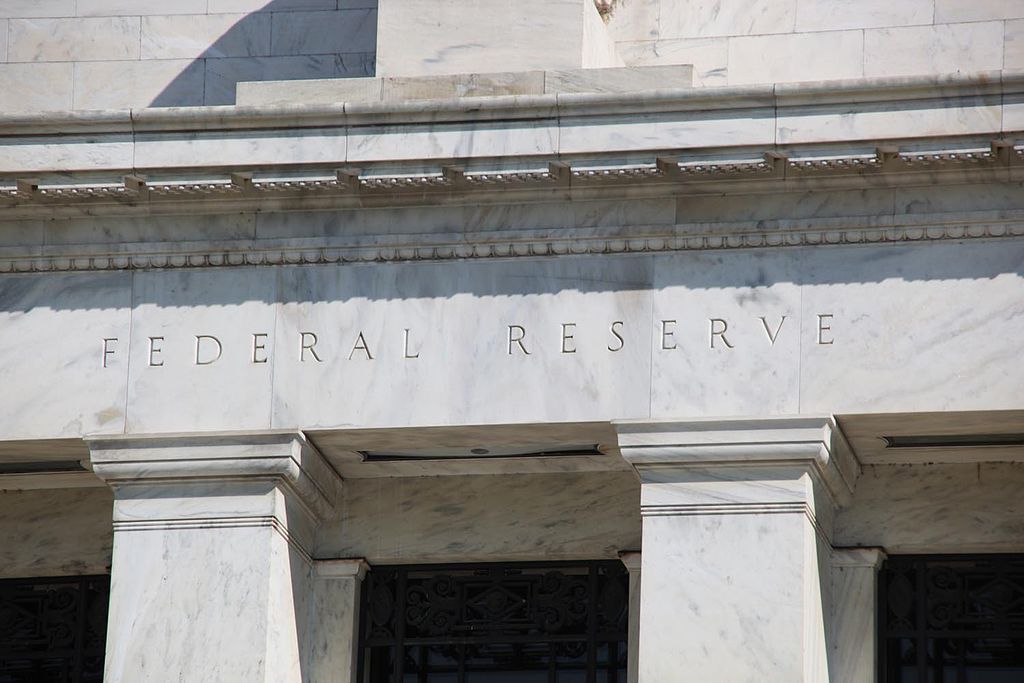
The Federal Reserve kept interest rates unchanged at 3.50%-3.75% during its June meeting, but policymakers signaled growing concern over inflation. Markets currently see roughly a 50.8% probability of a rate hike at the Fed’s September meeting, according to CME FedWatch data.
Food prices are also expected to remain under pressure as higher fertilizer costs, supply chain disruptions linked to the Middle East conflict, and dry weather increase agricultural expenses. Rising prices for services, hotel accommodations tied to the FIFA World Cup, motor vehicle insurance, rents, and airfares are also expected to support inflation.
Although some economists believe easing core inflation could reassure policymakers, others argue that stubborn price pressures and rising business costs leave the door open for further monetary tightening. As a result, June’s inflation report is unlikely to definitively rule out another Fed rate increase in 2026.







