


 Bessent, He Lifeng to Discuss AI Security and Trade in New York
  Bolivia Approves $1.9 Billion IMF Financing Deal
  Oil Prices Rise as U.S.-Iran Talks Fuel Diplomacy Hopes
  Trump Bans CNN, MS NOW and Politico From White House
  Vietnam, US Trade Deal Could Be Signed Soon, To Lam Says
  S&P 500 Historically Rallies After Midterm Elections, UBS Says
  AfD Wins German State Election as Merz’s CDU Hits Historic Low
  North Korea Fires Two Ballistic Missiles From Wonsan
  Trump Administration Prepares Sanctions Against Entire ICC
  Yen in Focus as BOJ, Fed Rate Hikes Reshape Currency Markets
  Fed Rate Hike Threatens Housing as U.S. Growth Leans on AI, Citi Says
  UK, Mauritius Seek Diego Garcia Base Deal
  US Plans Two New Military Bases in Greenland Under Arctic Deal
  Michelle Bachelet Withdraws From UN Secretary-General Race
  Canada Unveils Bill to Fast-Track Major Resource Projects
  Who should own the knowledge that underpins AI technology?
  US-China Talks Target AI, Tariffs Ahead of Trump-Xi Summit


 Add as a preferred source on Google
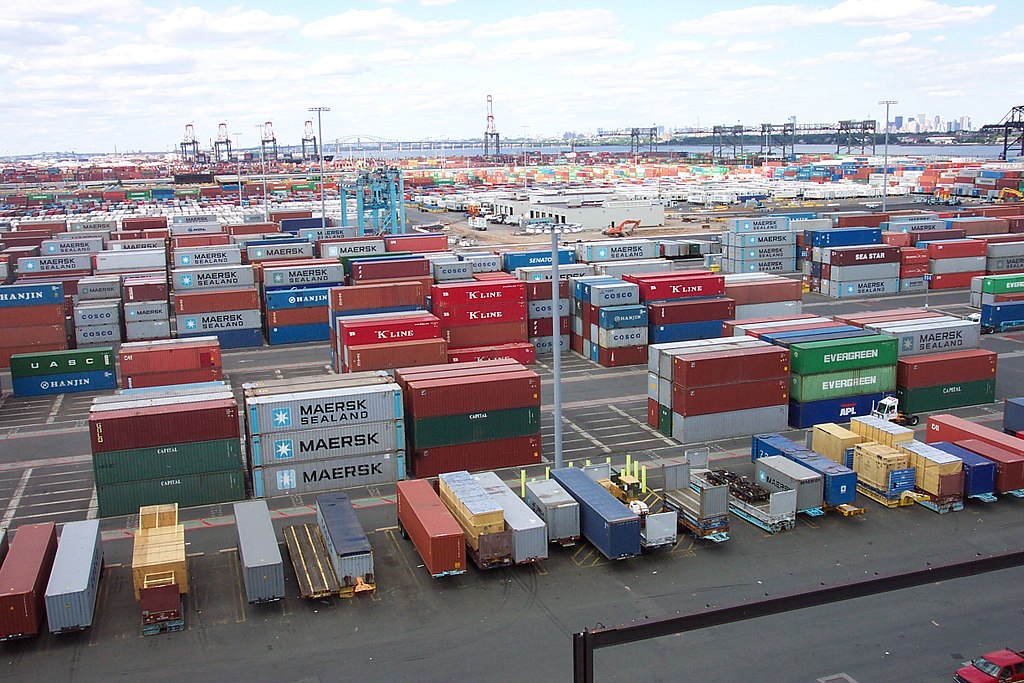
The United States announced on Wednesday that it will impose a 25% tariff on certain imports from Brazil after concluding a year-long Section 301 trade investigation that found several Brazilian policies unfairly restricted U.S. trade.
The action, announced by U.S. Trade Representative Jamieson Greer, was directed by President Donald Trump under Section 301 of the Trade Act of 1974. According to the U.S. Trade Representative (USTR), the decision follows unsuccessful negotiations with Brazil over a range of trade issues, including digital trade, electronic payment services, preferential tariffs, anti-corruption enforcement, intellectual property rights, ethanol market access, and illegal deforestation.
While the USTR confirmed that a 25% tariff will be imposed, it did not immediately identify the specific Brazilian products that will be subject to the new duties.
Greer said the measures are intended to protect U.S. businesses and workers from trade practices that Washington considers unfair.
"Today's action is necessary to address these unfair trade practices to ensure American workers and companies can compete on a level playing field," Greer said. He added that the United States remains willing to continue discussions with Brazil in hopes of reaching a negotiated resolution.
The trade investigation began on July 15, 2025, following instructions from President Trump. As part of the review, the USTR held consultations with Brazilian officials in April, conducted two rounds of public hearings, and reviewed more than 360 public submissions before concluding in June that Brazil's policies were actionable under Section 301.
Section 301 of the Trade Act of 1974 gives the U.S. government authority to investigate and respond to foreign trade practices considered unreasonable, discriminatory, or harmful to U.S. commerce. The latest tariff action marks another step in the Trump administration's use of trade enforcement tools to address long-standing disputes with key trading partners while keeping the door open for future negotiations.







