


 Gold Price Holds Near Record High as Cooling U.S. Inflation Offsets Fed Caution
  Asian Stocks Rally as Cooling U.S. Inflation Boosts Fed Rate Cut Hopes
  US Stock Futures Hold Steady as Soft Inflation Data Eases Fed Rate Hike Fears
  China Q2 2026 GDP Misses Forecast as Weak Domestic Demand Offsets Export Strength
  South Korea’s KOSPI Enters Bear Market Despite Remaining 2026’s Best-Performing Major Stock Index
  European Stocks Slip as Middle East Tensions and Hormuz Threat Rattle Markets
  Goldman Sees Foreign Investors Driving India Stock Market Recovery
  Australian Business Conditions Hold Steady as Easing Cost Pressures Face New Oil Price Risks
  South Korea Central Bank Set to Raise Interest Rates as Inflation Stays Elevated
  Japanese Yen Holds Steady as Intervention Hopes Grow Ahead of U.S. CPI Data
  Dollar Holds Steady Ahead of U.S. CPI as Oil Surge, Middle East Tensions Keep Markets on Edge
  Dollar Eases as Middle East Conflict, Fed Outlook and Japan Pension Policy Drive FX Markets
  Asian Stocks Rise as Softer U.S. Inflation Boosts Sentiment Despite Middle East Tensions
  Oil Prices Surge as U.S.-Iran Conflict Escalates and Strait of Hormuz Risks Grow
  UBS Boosts China Tech Bets, Adds Kuaishou and Meituan to Focus List
  Asian Currencies Stay Rangebound as Middle East Tensions, Weak China GDP Weigh on Sentiment
  South Korea’s KOSPI Triggers Trading Curb as AI Chip Stock Selloff Deepens


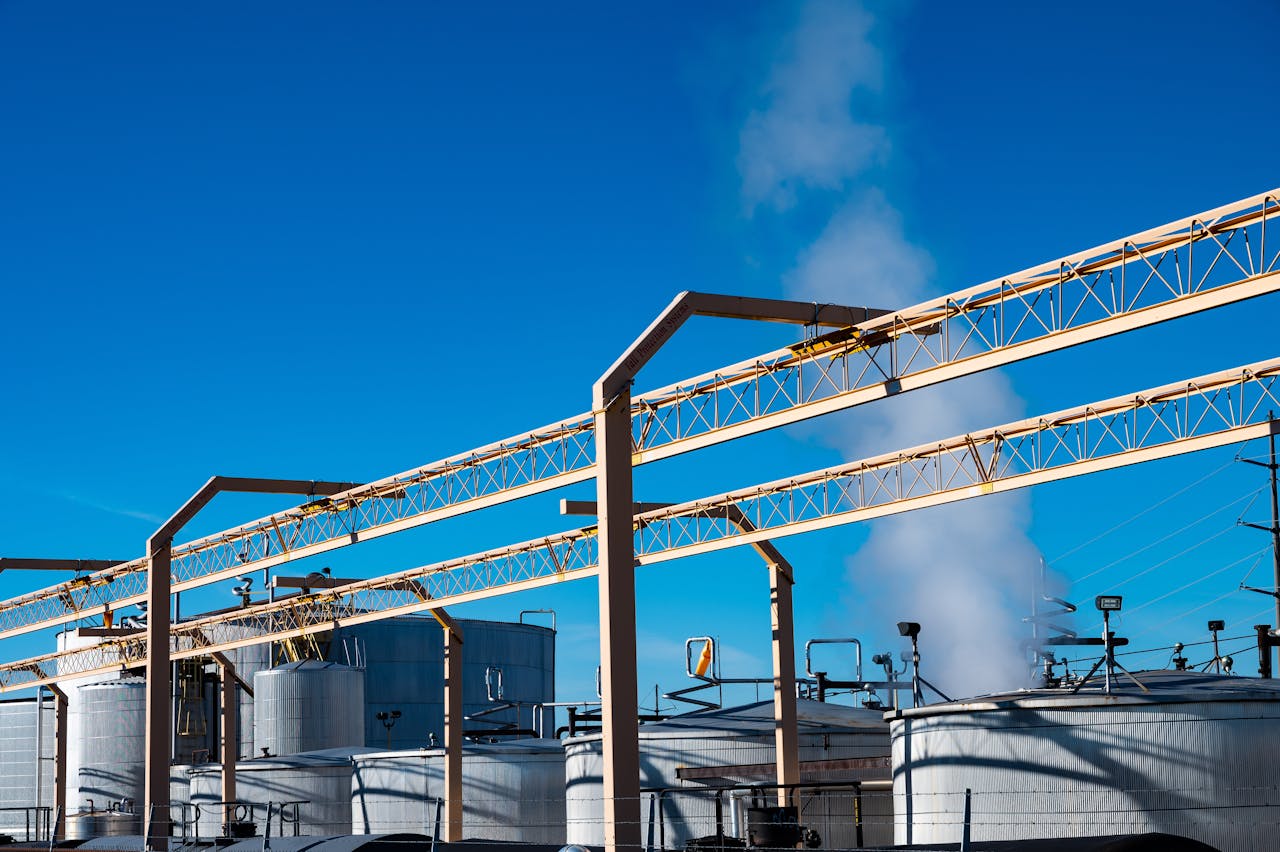
Global oil prices extended their rally for a fourth consecutive session on Thursday as renewed U.S. military strikes on Iranian targets heightened concerns over escalating conflict in the Middle East and potential disruptions to global energy supplies through the Strait of Hormuz.
Brent crude futures rose 0.4% to $85.28 per barrel, while U.S. West Texas Intermediate (WTI) crude gained 0.5% to $80.02. Both benchmarks had already posted gains on Wednesday and remained close to one-month highs reached earlier this week, reflecting growing market anxiety over geopolitical risks.
The latest price surge followed U.S. attacks on Iran’s coastal defense systems and missile installations after Washington reinstated a naval blockade on Iranian ports. Tehran responded by warning it could restrict additional regional energy exports, describing its confrontation with the United States as an "existential war."
Market analysts said investors are increasingly focused on the possibility of supply disruptions in key shipping routes. The Strait of Hormuz, which previously handled around 20% of global oil and liquefied natural gas shipments, has become a major concern as tensions intensify.
Hiroyuki Kikukawa, chief strategist at Nissan Securities Investment, said geopolitical uncertainty is driving buying activity in oil markets. While diplomatic efforts by neighboring countries continue and many still believe a full-scale regional war can be avoided, he noted that WTI crude could climb to between $85 and $87 if the conflict escalates further.
Analysts also warned that Iran could rely on its Houthi allies in Yemen to threaten shipping through the Bab el-Mandeb Strait, another strategic maritime corridor linking the Red Sea to global trade routes. Disruptions at both chokepoints would significantly impact international energy markets.
Goldman Sachs said Brent crude could surpass $110 per barrel during the fourth quarter if Gulf oil exports remain constrained. However, the bank also projected prices could retreat into the $60 range by year-end if geopolitical tensions ease and production recovers more quickly than expected.
Supporting prices further, the U.S. Energy Information Administration reported that crude oil inventories fell by 1.7 million barrels in the week ending July 10, signaling continued demand despite the draw coming in below analysts' expectations for a 2.6 million-barrel decline.







