


 Soybean Futures Slip as Traders Await Trump-Xi Trade Signals
  Russian Envoy Dmitriev Heads to US for Ukraine Talks
  Fed Unveils Stablecoin Rules Under GENIUS Act
  RBI Uses $10 Billion Currency Swaps to Drain Excess Rupee Liquidity
  US 10-Year Treasury Yield at 6% Emerges as New Market Risk Threshold
  Asian Stocks Fall as Bond Yields Surge Ahead of Trump-Xi Summit
  European Stocks Fall as Bond Yields and Geopolitical Risks Weigh
  Japanese Bank Stocks Surge as Bond Yields Fuel Rate Hike Bets
  South Korea, US Discuss Warship Building Cooperation
  Oil Prices Ease as Iran Tensions Clash With Diplomacy Hopes
  Oil Prices Jump 3% as Houthi Attack Revives Supply Fears
  Japan Private-Sector Growth Slows as Domestic Demand Weakens
  US, China Extend Trade Truce to Jan. 10 Ahead of Trump-Xi Summit
  China’s ‘Lipstick King’ Says AI Won’t Replace Livestream Hosts
  Australia Unemployment Hits Five-Year High Despite Strong Jobs Growth
  Oil Prices Surge as U.S.-Iran Diplomacy Hopes Fade
  Gold Holds Near $4,275 as Rising Treasury Yields Fuel Fed Rate Hike Bets


 Add as a preferred source on Google
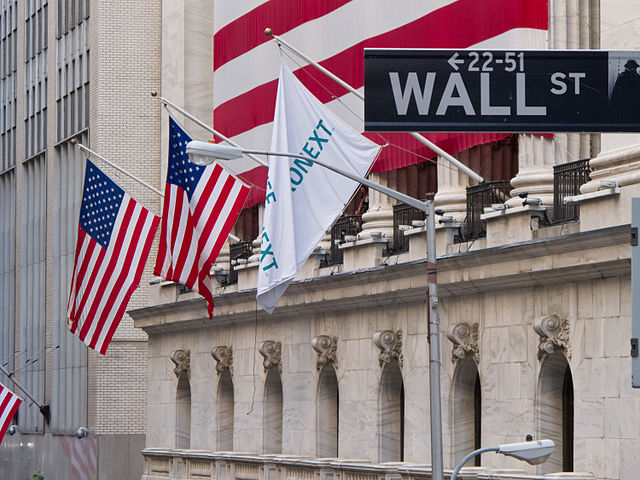
U.S. stock index futures rose modestly on Tuesday evening following Wall Street’s sharpest losses in three months, as investors continued to digest escalating geopolitical tensions linked to President Donald Trump’s renewed push to acquire Greenland. Market sentiment remained fragile despite the slight rebound in futures, with traders cautious after a turbulent regular session.
By late evening trading, S&P 500 Futures gained 0.1% to 6,838.0 points, while Nasdaq 100 Futures and Dow Jones Futures also inched up 0.1% to 25,152.75 points and 48,727.0 points, respectively. The muted move reflected lingering uncertainty after U.S. equities sold off aggressively earlier in the day.
Netflix was a notable laggard in after-hours trading, sliding nearly 5%. Although the streaming giant beat expectations for its December-quarter earnings, investors focused on weaker-than-expected guidance for the first quarter and beyond. The company cited declining viewership for non-branded licensed content, signaling softer demand outside its flagship original programming. Netflix’s longer-term outlook for 2026 also fell short of market forecasts, adding pressure to the stock.
The earnings season remains in focus as investors look for clarity amid volatile macro conditions. Several major companies are set to report in the coming days, including Johnson & Johnson, Charles Schwab, and Prologis on Wednesday, followed by Procter & Gamble, GE Aerospace, Intel, Abbott Laboratories, and Intuitive Surgical on Thursday. In contrast to Netflix, United Airlines surged about 5% in late trading after posting strong quarterly results and issuing upbeat guidance.
Geopolitics played a central role in Tuesday’s market selloff. Wall Street was rattled after President Trump threatened tariffs against eight European nations unless they agreed to negotiations over Greenland, a Danish territory. European leaders firmly rejected the proposal, intensifying diplomatic tensions. Trump is expected to address the World Economic Forum in Davos and meet with European officials, further fueling uncertainty over U.S. foreign policy.
During the regular session, the S&P 500 fell 2.1%, the Nasdaq Composite dropped 2.4%, and the Dow Jones Industrial Average declined 1.8%. Investors were already wary following reports of a U.S. incursion in Venezuela earlier this year, reinforcing concerns that geopolitical risks could continue to weigh heavily on U.S. stock markets.







