


 Dollar Holds Near Two-Month High as Yen Approaches 160
  Oil Prices Jump 3% as Houthi Attack Revives Supply Fears
  China’s ‘Lipstick King’ Says AI Won’t Replace Livestream Hosts
  Gold Prices Fall as Treasury Yields Rise on Fed Rate Hike Bets
  Trump, Xi Focus on Trade and AI at White House Summit
  Asian Currencies Mixed as Dollar Holds Near Two-Month High
  Russian Envoy Dmitriev Heads to US for Ukraine Talks
  Asian Stocks Fall as Surging Bond Yields Rattle Markets
  Gold Holds Near $4,275 as Rising Treasury Yields Fuel Fed Rate Hike Bets
  Wall Street Falls as Treasury Yields Surge, Oil Rebounds on Iran Tensions
  South Korea, US Discuss Warship Building Cooperation
  U.S. Dollar Hits Two-Month High as Oil, Treasury Yields Surge
  Oil Prices Surge as U.S.-Iran Diplomacy Hopes Fade
  U.S. Treasury Yields Surge as 30-Year Hits 22-Year High
  Soybean Futures Slip as Traders Await Trump-Xi Trade Signals
  Japan Private-Sector Growth Slows as Domestic Demand Weakens
  Japanese Bank Stocks Surge as Bond Yields Fuel Rate Hike Bets


 Add as a preferred source on Google
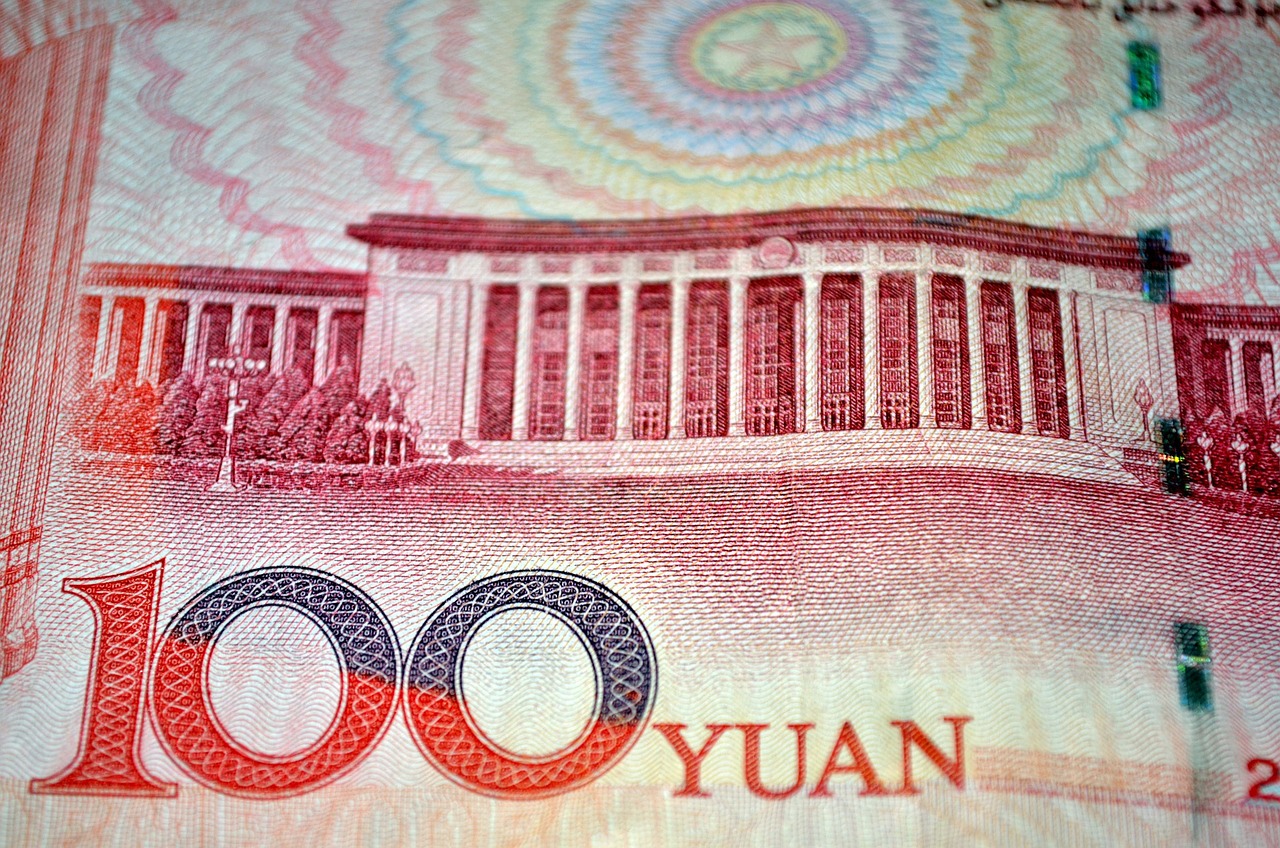
China’s yuan edged slightly higher against the U.S. dollar on Friday but remained on track to end a historic winning streak, as global investors reacted to a stronger dollar driven by escalating tensions in the Middle East. Despite the modest rebound, the Chinese currency is poised to record its largest weekly decline in more than a year.
As of 0400 GMT, the onshore yuan traded at 6.9005 per dollar, rising 0.17% from the previous close. However, if the rate holds through the late-night session, the currency will post a weekly loss of approximately 0.54% against the dollar. This would end a 13-week rally—the longest stretch of gains for the yuan since 2012—and mark the sharpest weekly drop since February 2025. Meanwhile, the offshore yuan traded at 6.9041 per dollar in global markets.
Currency markets were also influenced by the People’s Bank of China (PBOC), which removed foreign exchange risk reserve requirements for forward contracts. The move encouraged companies to increase demand for U.S. dollars in derivatives markets, contributing to pressure on the yuan. Before the market opened, the central bank set the daily midpoint rate at 6.9025 per dollar, slightly weaker than the Reuters estimate of 6.8998. Under China’s managed exchange rate system, the yuan can fluctuate up to 2% above or below this midpoint each day.
According to Lynn Song, chief economist for Greater China at ING, a stronger dollar environment could naturally slow the yuan’s recent appreciation trend. Still, some analysts believe the Chinese currency may strengthen again in the medium to long term.
Maybank analysts expect the yuan to gain momentum later in 2026 if several economic factors remain supportive. Continued export growth, rising tourism arrivals, and sustained equity market inflows could strengthen the Chinese currency against the dollar. Among these drivers, capital inflows linked to equity investments are considered particularly influential due to their strong correlation with yuan movements.
A recent Reuters poll showed that investors remain broadly bullish on the yuan compared with other emerging Asian currencies, even as geopolitical tensions raise concerns about higher energy prices and global economic risks.
Market participants are also closely watching policy signals from China’s leadership. Senior economic and financial officials are scheduled to speak at a press conference during the annual National People’s Congress session. The meeting began Thursday, where Beijing announced a 2026 economic growth target of 4.5% to 5%. This slightly lower goal compared with last year’s 5% growth reflects the government’s effort to rebalance the economy while maintaining stable expansion.







