


 Fed Unveils Stablecoin Rules Under GENIUS Act
  European Stocks Fall as Bond Yields and Geopolitical Risks Weigh
  Australia Unemployment Hits Five-Year High Despite Strong Jobs Growth
  Trump, Xi Focus on Trade and AI at White House Summit
  Mexico-US Trade Talks Delayed to October as Tariff Negotiations Continue
  Oil Prices Ease as Iran Tensions Clash With Diplomacy Hopes
  Oil Prices Jump 3% as Houthi Attack Revives Supply Fears
  US 10-Year Treasury Yield at 6% Emerges as New Market Risk Threshold
  U.S. 10-Year Treasury Yield Hits 2007 High as Fed Rate Hike Bets Rise
  South Korea, US Discuss Warship Building Cooperation
  Fed Unveils Stablecoin Rules Under GENIUS Act
  Wall Street Ends Flat as Oil, Treasury Yields and Fed Jitters Rattle Markets
  Wall Street Falls as Treasury Yields Surge, Oil Rebounds on Iran Tensions
  Gold Holds Near $4,275 as Rising Treasury Yields Fuel Fed Rate Hike Bets
  Soybean Futures Slip as Traders Await Trump-Xi Trade Signals
  Gold Prices Fall as Treasury Yields Rise on Fed Rate Hike Bets


 Add as a preferred source on Google
Asian currencies remained broadly under pressure on Tuesday as geopolitical uncertainty surrounding the U.S.-Israel war with Iran continued to weigh on investor sentiment. The U.S. dollar index edged up 0.2% during Asian trading hours, supported by concerns that the ongoing conflict could fuel inflationary pressures across global markets.
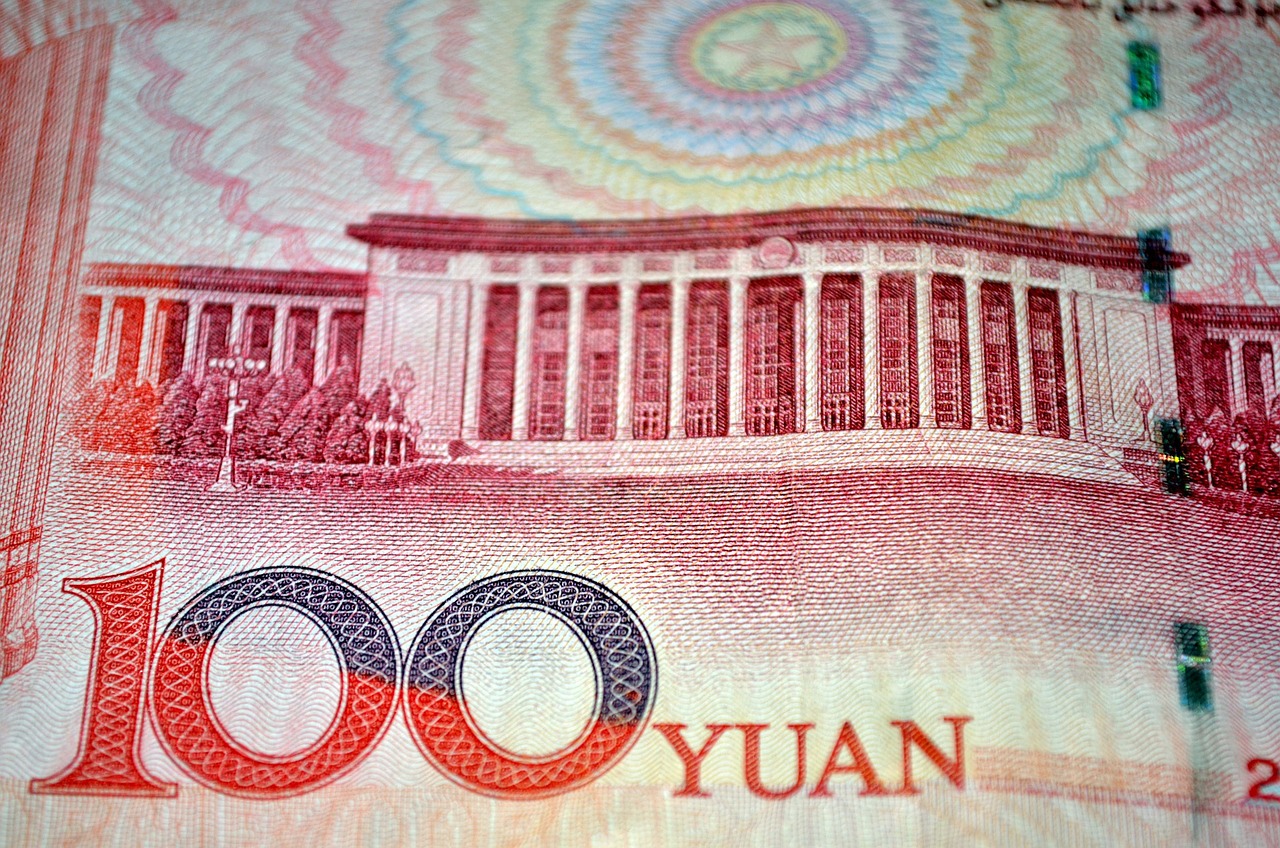
The Chinese yuan stood out as a regional outperformer, with the USD/CNY pair dropping nearly 0.3% and breaking back below the 6.9 level. The currency gained momentum after China's January-February trade data revealed a significantly larger-than-expected trade surplus, driven by a strong surge in exports. Solid domestic spending during the Lunar New Year holiday also helped push imports higher than anticipated, though analysts remain cautious about whether that consumer momentum will be sustained beyond the festive season. The People's Bank of China further supported the yuan by setting a stronger-than-expected daily midpoint fix.
The Japanese yen saw minimal movement, with USD/JPY rising just 0.1%. Revised fourth-quarter GDP figures showed Japan's economy expanded more robustly than initially reported, buoyed by strong capital expenditure and steady household consumption. While the data signals economic resilience and gives the Bank of Japan greater flexibility to consider future rate hikes, heightened global uncertainty makes near-term policy action unlikely.
Elsewhere across Asia, the Australian dollar slipped 0.2%, and the South Korean won weakened sharply, with USD/KRW surging 1.1%. The Singapore dollar and Indian rupee both edged lower, with the rupee extending its move above the 92 level against the dollar.
Market sentiment remained fragile despite U.S. President Donald Trump indicating a resolution to the conflict could be near. Iran's Revolutionary Guard quickly dismissed any prospect of de-escalation, keeping traders cautious. Tensions escalated over the weekend following strikes on Tehran's oil infrastructure, with Iran retaliating by targeting energy assets across the region and disrupting shipping through the Strait of Hormuz.







