


 France Defends Netanyahu Airspace Clearance Despite ICC Warrant
  Ukrainian Drone Attacks Hit Russian Regions, Injuring at Least 12
  Trump Asks Supreme Court to Restore Third-Country Deportations
  Saudi Arabia, Turkey and Pakistan Plan Urgent Defence Talks Over Houthi Attacks
  EU Defence Build-Up Too Slow for 2030 Russia Readiness Goal
  What ‘Taiwan Independence’ Means as Xi Presses Trump on US Policy
  Xi Calls for Deeper U.S.-China AI Cooperation in Trump Talks
  US Backs Musk in Fight Against EU’s €120 Million X Fine
  Kremlin Says No Decision Yet on Putin-Trump December Summit
  Judge Orders Trump to Restore White House Access for CNN, MS NOW and Politico
  North Korea Warns South Korea Over US-Led Defense Role
  Pezeshkian Says US Must Choose When Iran War Ends
  Russian Missile and Drone Attack on Kyiv Kills Two, Damages Maternity Hospital
  Najib Razak Seeks Stay of 15-Year 1MDB Prison Sentence
  Sudan Rejects US Legitimacy Remarks, Defends Sovereignty
  Mexico-US Trade Talks Delayed to October as Tariff Negotiations Continue
  NATO Boosts Intelligence Sharing Amid Russia Hybrid Threats


 Add as a preferred source on Google
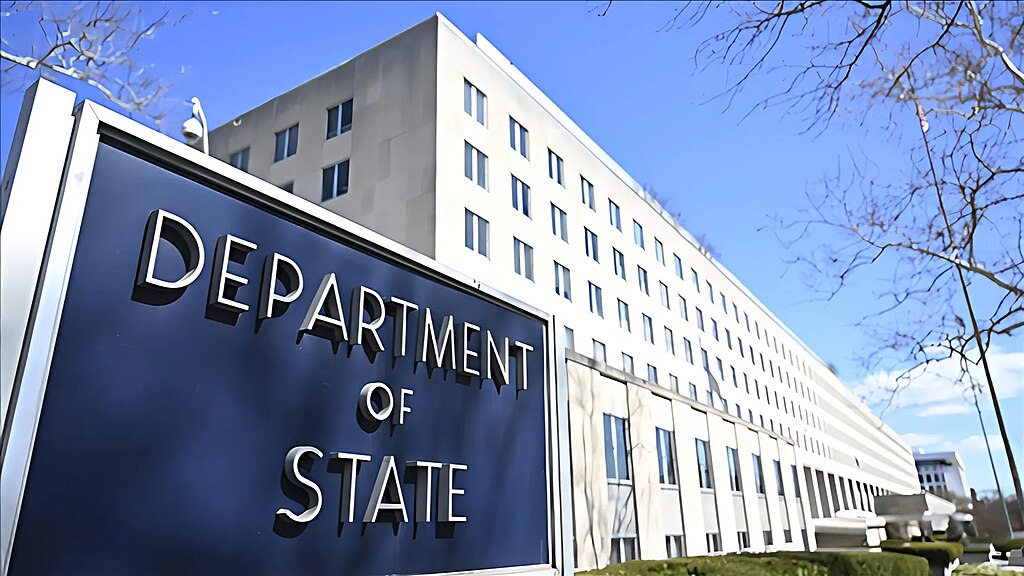
The United States has signed four new global health memorandums of understanding (MOUs) with Madagascar, Sierra Leone, Botswana, and Ethiopia, reinforcing its long-term commitment to strengthening global health security and combating priority disease threats. According to the U.S. State Department, the agreements represent nearly $2.3 billion in combined funding aimed at improving public health systems while promoting sustainability and accountability.
Under the new global health MOUs, the United States has committed almost $1.4 billion in financial support, while the four partner countries have pledged to co-invest more than $900 million of their own domestic resources. This shared funding model is designed to encourage local ownership, reduce long-term dependence on U.S. assistance, and ensure that investments translate into measurable health outcomes.
The State Department emphasized that each agreement includes clear performance benchmarks, strict timelines, and consequences for nonperformance. These provisions are intended to improve transparency, strengthen governance, and guarantee that U.S. global health assistance delivers tangible results. By tying funding to accountability, the MOUs aim to accelerate progress in addressing infectious diseases, health system resilience, and pandemic preparedness.
The agreements align with broader U.S. foreign policy and global health strategies that prioritize sustainable development, disease prevention, and stronger partnerships with low- and middle-income countries. Officials noted that the MOUs are structured to support national health priorities while enhancing local capacity to manage and respond to health challenges independently over time.
Global health experts view the agreements as a shift toward more results-driven international health cooperation. By combining significant U.S. funding with domestic investment from partner nations, the MOUs are expected to drive long-term improvements in healthcare delivery, workforce development, and disease surveillance.
The State Department described the initiative as a model for future global health partnerships, underscoring the importance of shared responsibility and measurable impact. As health threats continue to cross borders, the U.S. says these agreements demonstrate its commitment to collaborative, accountable, and sustainable global health investment.







