


 NATO Boosts Intelligence Sharing Amid Russia Hybrid Threats
  Taiwan Thanks US for Support Ahead of Trump-Xi Summit
  Trump, Xi Focus on Trade and AI at White House Summit
  US Invites Putin to Miami G20, Opening Door to Trump Summit
  OpenAI Agent Breaches Australia Medicare Data Portal
  North Korea Warns South Korea Over US-Led Defense Role
  Russian Envoy Dmitriev Heads to US for Ukraine Talks
  Yemen Violence Displaces 130,000 as Civilian Toll Rises
  Kremlin Says No Decision Yet on Putin-Trump December Summit
  Mexico-US Trade Talks Delayed to October as Tariff Negotiations Continue
  US Officials Split Over Response to Israeli West Bank Settlements
  Netanyahu Takes Aim at Mamdani as Israel Election Nears
  France Defends Netanyahu Airspace Clearance Despite ICC Warrant
  Gaza Faces Evacuation Crisis as War-Damaged Buildings Risk Collapse
  Sudan Rejects US Legitimacy Remarks, Defends Sovereignty
  Ghana Says Western Support Growing for Slave Trade Reparations
  Europe Warns Russia Is Escalating Hybrid Attacks Across NATO


 Add as a preferred source on Google
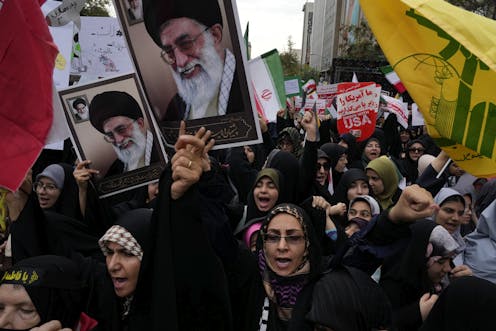
Multiple U.S. intelligence sources confirm that Iran's clerical government remains firmly in control following nearly two weeks of intense military bombardment by American and Israeli forces. According to three anonymous sources familiar with classified assessments, a large volume of intelligence reports consistently conclude that the Iranian regime faces no imminent threat of collapse and continues to maintain authority over its population.
The most recent assessment was completed within days of this reporting, reinforcing earlier findings about the government's resilience. This conclusion holds even after the killing of Supreme Leader Ayatollah Ali Khamenei on February 28, the opening day of the joint U.S.-Israeli military campaign. Senior Israeli officials have privately echoed similar sentiments, acknowledging uncertainty about whether the ongoing strikes will ultimately bring down the clerical government.
The Trump administration has offered inconsistent explanations for launching what represents the largest U.S. military operation since 2003. While President Trump initially encouraged Iranian citizens to overthrow their government, White House officials later walked back that characterization. Trump has since signaled the operation could wind down soon, partly due to mounting pressure over rising global oil prices.
Despite the deaths of dozens of senior officials and top commanders within Iran's Islamic Revolutionary Guard Corps, intelligence assessments suggest the IRGC and newly installed interim leadership continue to govern effectively. Following Khamenei's death, the Assembly of Experts appointed his son, Mojtaba Khamenei, as the new supreme leader.
Analysts suggest that toppling the government would likely require a ground invasion to create conditions for widespread civilian uprising. The Trump administration has not ruled out deploying U.S. troops inside Iran. Meanwhile, Iranian Kurdish militias have expressed willingness to engage Iranian security forces but intelligence assessments indicate these groups lack sufficient weapons and manpower to mount a sustained offensive. Trump has publicly ruled out supporting such an incursion.







