


 Trump Says Anthropic No Longer Seen as National Security Threat
  US Military Strike on Suspected Drug Trafficking Vessel Leaves Two Dead in Caribbean
  Baseten Secures $1.5 Billion Funding at $13 Billion Valuation Amid AI Infrastructure Boom
  Marco Rubio Says U.S. Will Block IRGC-Linked Individuals From Iran World Cup Delegation
  Google’s Open-Source AI Data Center Cooling Design Raises Commoditization Concerns
  Venezuela Deploys Troops to Crack Down on Illegal Gold Mining Amid Push for Foreign Investment
  Moscow Downs Dozens of Ukrainian Drones as Airports Halt Flights Amid Escalating Attacks
  US Waives Iran Sanctions for 60 Days as Peace Talks Advance and Lebanon Sees Calm
  Meta Challenges Australia’s Proposed Tech Tax, Citing U.S. Trade Agreement Concerns
  Trump Revises U.S. Tariffs on Copper, Aluminum, and Steel Imports Through 2027
  Google Gemini Co-Lead Noam Shazeer Leaves for OpenAI Amid AI Talent Race
  Pedro Sanchez’s Wife Ordered to Stand Trial in Spain Corruption Case
  Russia-Ukraine War: Fresh Strikes Injure Civilians as Fuel Crisis Worsens in Russia
  Lebanon Pushes Ahead With Israel Talks Despite Iran-U.S. Deal Impact
  Chinese Social Media Giant Xiaohongshu Eyes Hong Kong IPO at Over $70 Billion Valuation
  U.S. Launches Trade Investigation Into Germany’s Pharmaceutical Cost-Cutting Plans
  SK Hynix Shares Hit Record High After Shipping Next-Generation HBM4E AI Memory Samples


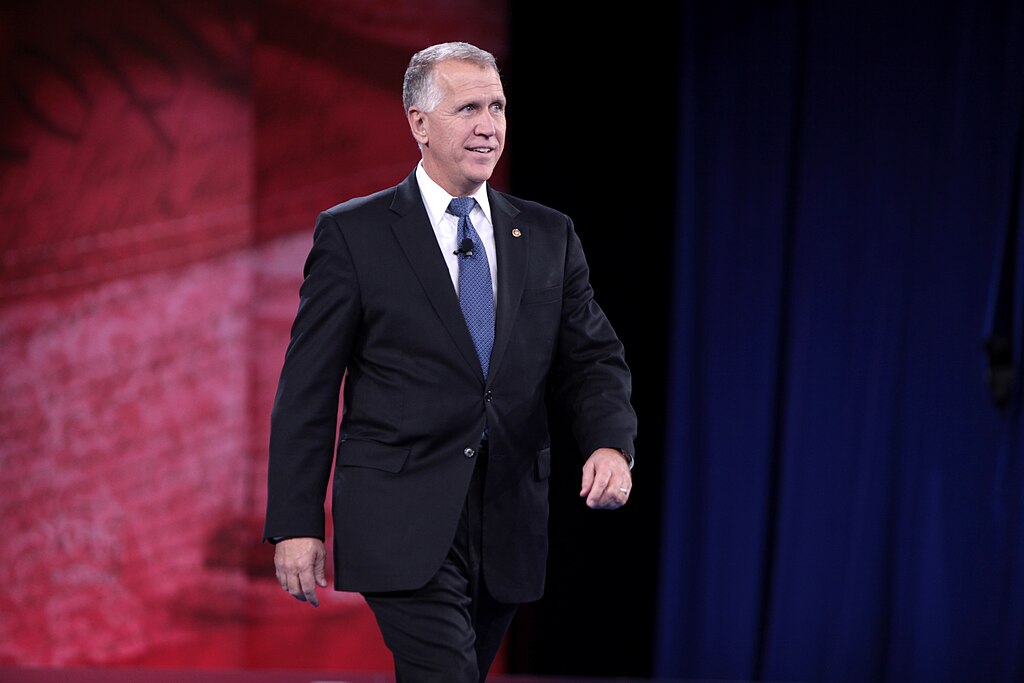
The Republican-led U.S. Senate voted 99-1 on Tuesday to eliminate a 10-year federal moratorium on state-level regulation of artificial intelligence (AI), marking a major shift in the ongoing debate over AI governance. The amendment, introduced by Senator Marsha Blackburn (R-TN), was passed during a marathon legislative session known as a "vote-a-rama" as part of President Trump’s sweeping tax and spending bill.
Senator Thom Tillis (R-NC) was the only senator to oppose the amendment, favoring the original provision that restricted states from regulating AI. The initial bill included a $500 million federal fund to support AI infrastructure but barred states from accessing it if they implemented their own regulations.
Leading AI companies like OpenAI and Google (NASDAQ:GOOGL) have pushed for a unified federal framework to prevent a fragmented patchwork of state laws that could hinder innovation and product deployment. However, Blackburn argued that states must retain the ability to protect their citizens, especially in areas such as child safety and artists’ rights.
Although Blackburn initially agreed to a compromise with Senator Ted Cruz (R-TX) to shorten the ban to five years and allow limited state regulation, she later withdrew support for the watered-down proposal. She emphasized that the existing language failed to safeguard vulnerable communities and called for Congress to prioritize comprehensive federal legislation like the Kids Online Safety Act and broader online privacy measures.
The Senate's decision reflects growing bipartisan recognition of the need for flexible AI oversight, allowing states to fill regulatory gaps while Congress works toward a national framework. The legislative outcome signals a pivotal moment in U.S. AI policy, balancing innovation with consumer protection.







