


 Trump, Xi Focus on Trade and AI at White House Summit
  Judge Orders Trump to Restore White House Access for CNN, MS NOW and Politico
  Trump, Xi Visit US National Archives After White House Summit
  Mexico-US Trade Talks Delayed to October as Tariff Negotiations Continue
  Russian Missile and Drone Attack on Kyiv Kills Two, Damages Maternity Hospital
  Netanyahu Takes Aim at Mamdani as Israel Election Nears
  Najib Razak Seeks Stay of 15-Year 1MDB Prison Sentence
  What ‘Taiwan Independence’ Means as Xi Presses Trump on US Policy
  North Korea Rejects Nuclear Test Warning, Calls Nuclear Status Irreversible
  Sudan Rejects US Legitimacy Remarks, Defends Sovereignty
  Kremlin Says No Decision Yet on Putin-Trump December Summit
  Pezeshkian Says US Must Choose When Iran War Ends
  North Korea Warns South Korea Over US-Led Defense Role
  Ukrainian Drone Attacks Hit Russian Regions, Injuring at Least 12
  Trump Asks Supreme Court to Restore Third-Country Deportations
  US Backs Musk in Fight Against EU’s €120 Million X Fine
  Netanyahu’s Brief US Trip Highlights Strains With Trump


 Add as a preferred source on Google
The United States is reportedly applying its strongest pressure yet on Ukraine to accept the outline of a U.S.-brokered peace agreement aimed at ending the ongoing conflict with Russia, according to two individuals familiar with the discussions. Speaking anonymously, the sources said Washington has tied crucial intelligence sharing and weapons supplies to Kyiv’s willingness to sign a proposed framework as early as next Thursday.
According to the sources, the new push represents a sharper stance from the U.S. than in any previous negotiation phase. They described Washington’s message as clear: the Biden administration wants the war to end soon, even if it requires Ukraine to make concessions. One source summarized the situation by saying, “They want to stop the war and want Ukraine to pay the price.”
The U.S. has reportedly presented a 28-point plan that acknowledges several key Russian demands. These include requiring Ukraine to surrender additional territory, reduce the size of its armed forces, and accept restrictions preventing it from joining NATO—conditions that Kyiv has consistently resisted. The proposal outlines what Washington considers a realistic path to cease hostilities, but it also raises concern among Ukrainian officials about long-term sovereignty and security.
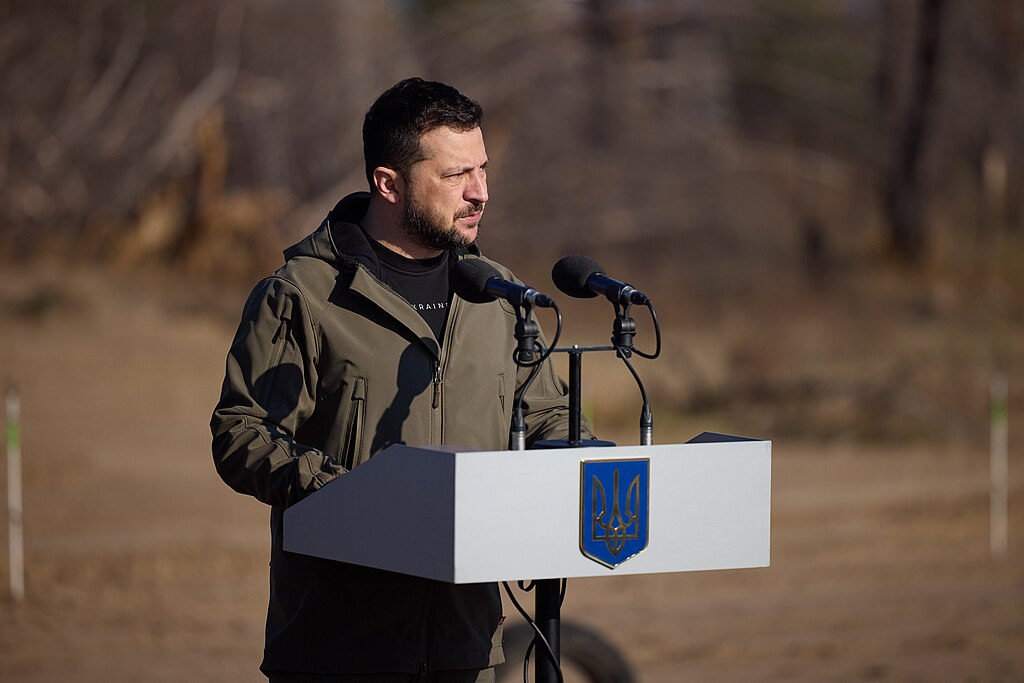
On Thursday, senior U.S. military officials traveled to Kyiv and met with President Volodymyr Zelenskiy to discuss what American representatives called a “path to peace.” Members of the delegation emphasized that the talks were constructive and that both sides had made progress. The U.S. ambassador to Ukraine and the U.S. Army public affairs chief described the meeting as successful, noting that Washington is pushing for an “aggressive timeline” to finalize the document.
As negotiations continue, the tension highlights the difficult balance between U.S. strategic interests and Ukraine’s determination to defend its territorial integrity. The coming days may prove pivotal in shaping the next phase of the conflict and the region’s security landscape.







