


 Xi Calls for Deeper U.S.-China AI Cooperation in Trump Talks
  US Senate Rejects Iran War Powers Resolution in 50-49 Vote
  South Korea, US Discuss Warship Building Cooperation
  Najib Razak Seeks Stay of 15-Year 1MDB Prison Sentence
  Kremlin Says No Decision Yet on Putin-Trump December Summit
  Russian Missile and Drone Attack on Kyiv Kills Two, Damages Maternity Hospital
  Mexico-US Trade Talks Delayed to October as Tariff Negotiations Continue
  Netanyahu Defends Israel at UN as Delegates Stage Walkout
  Yemen Violence Displaces 130,000 as Civilian Toll Rises
  Judge Orders Trump to Restore White House Access for CNN, MS NOW and Politico
  Ghana Says Western Support Growing for Slave Trade Reparations
  US Backs Musk in Fight Against EU’s €120 Million X Fine
  Sudan Rejects US Legitimacy Remarks, Defends Sovereignty
  Pezeshkian Says US Must Choose When Iran War Ends
  Trump Asks Supreme Court to Restore Third-Country Deportations
  NATO Boosts Intelligence Sharing Amid Russia Hybrid Threats
  Abbas Reaffirms November 28 Palestinian Elections


 Add as a preferred source on Google
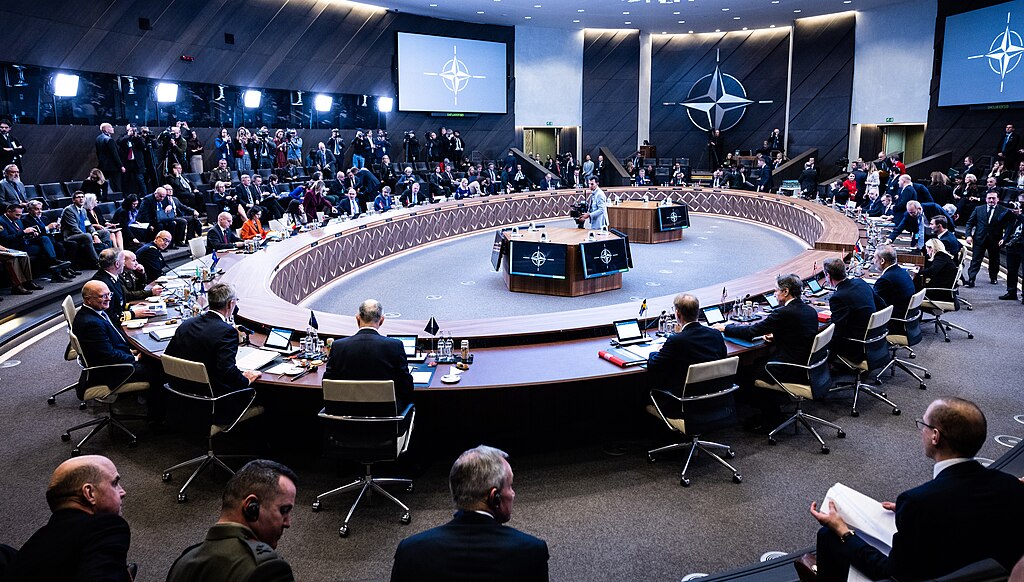
The United States is planning to reduce the number of personnel stationed at several key NATO command centers, a move that is already heightening concerns across Europe about Washington’s long-term commitment to the alliance. According to multiple sources familiar with the discussions, the Trump administration has informed some European capitals that roughly 200 U.S. positions will be eliminated from NATO bodies responsible for military planning, intelligence coordination, and special operations.
Among the NATO entities expected to be affected are the NATO Intelligence Fusion Centre in the United Kingdom, the Allied Special Operations Forces Command in Brussels, and Portugal-based STRIKFORNATO, which oversees certain maritime operations. Several other NATO units are also expected to see similar reductions. While the cuts represent a small fraction of the overall U.S. military presence in Europe, their symbolic impact is significant, particularly at a time of heightened geopolitical tension.
Sources say the reductions will largely occur through attrition, with the U.S. choosing not to backfill positions as personnel rotate out, rather than recalling service members outright. Of the roughly 400 U.S. personnel currently assigned to the affected NATO entities, about half are expected to be removed over time. The rationale behind the decision has not been officially stated, but it aligns with the administration’s broader strategy to shift more military resources toward the Western Hemisphere.
The move comes as NATO faces one of the most challenging periods in its 77-year history. Although around 80,000 U.S. troops remain stationed in Europe—nearly half of them in Germany—recent actions by President Donald Trump have unsettled European allies. These include renewed efforts to acquire Greenland, public criticism of NATO, and warnings that the U.S. may impose tariffs on certain NATO countries.
NATO officials have downplayed the significance of the staffing changes, emphasizing that adjustments to U.S. personnel levels are routine and that close coordination between NATO and U.S. authorities continues. However, European leaders remain wary, especially amid U.S. calls for Europe to assume greater responsibility for its own conventional defense capabilities by 2027.
While the military impact of the staff reductions may be limited, analysts agree the political message is clear. At a moment when NATO unity is under strain, even modest U.S. pullbacks risk amplifying doubts about the future of the transatlantic alliance.







