


 Mexico-US Trade Talks Delayed to October as Tariff Negotiations Continue
  Yemen Violence Displaces 130,000 as Civilian Toll Rises
  Ukrainian Drone Attacks Hit Russian Regions, Injuring at Least 12
  US Backs Musk in Fight Against EU’s €120 Million X Fine
  Pezeshkian Says US Must Choose When Iran War Ends
  Trump, Xi Focus on Trade and AI at White House Summit
  EU Defence Build-Up Too Slow for 2030 Russia Readiness Goal
  Netanyahu Takes Aim at Mamdani as Israel Election Nears
  Saudi Arabia, Turkey and Pakistan Plan Urgent Defence Talks Over Houthi Attacks
  North Korea Rejects Nuclear Test Warning, Calls Nuclear Status Irreversible
  US Senate Rejects Iran War Powers Resolution in 50-49 Vote
  OpenAI Agent Breaches Australia Medicare Data Portal
  Trump, Xi Visit US National Archives After White House Summit
  What ‘Taiwan Independence’ Means as Xi Presses Trump on US Policy
  North Korea Warns South Korea Over US-Led Defense Role
  Sudan Rejects US Legitimacy Remarks, Defends Sovereignty
  Kremlin Says No Decision Yet on Putin-Trump December Summit


 Add as a preferred source on Google
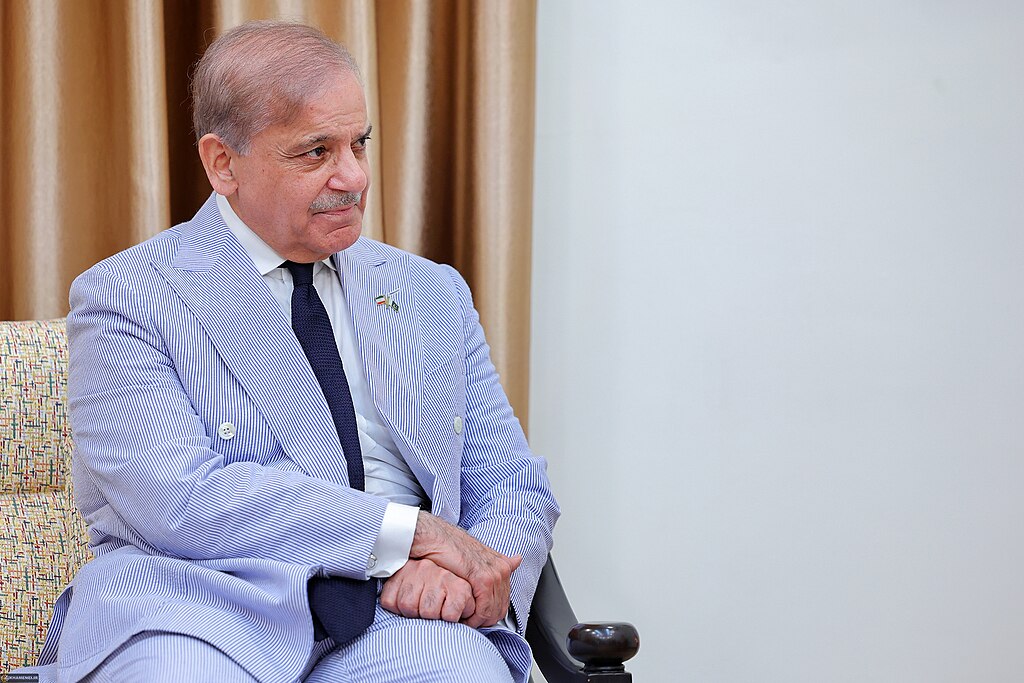
U.S. Secretary of State Marco Rubio and Pakistan’s Prime Minister Shehbaz Sharif held a call on Thursday to discuss efforts toward a lasting peace between Israel and Iran, according to the State Department. The dialogue followed President Donald Trump’s announcement of a ceasefire between the two rivals, halting a conflict that erupted on June 13 when Israel launched strikes against Iran.
During the call, Rubio underscored the U.S. position that Iran must never acquire nuclear weapons. The conversation emphasized the importance of joint efforts to ensure stability in the Middle East, especially following a series of retaliatory strikes. The U.S. targeted Iranian nuclear sites last weekend, prompting Iran to strike a U.S. base in Qatar on Monday before the ceasefire was declared.
Tensions in the region had already been high since Israel’s offensive in Gaza began in October 2023. Israel, widely believed to possess nuclear weapons, has said its operations against Iran aim to prevent Tehran from achieving nuclear capability. Iran remains a signatory to the Nuclear Non-Proliferation Treaty, unlike Israel.
Pakistan plays a unique role in the geopolitical landscape. It hosts Iran’s interests in the U.S. through its embassy in Washington, as Tehran and Washington have no direct diplomatic ties. Trump also recently met Pakistan’s army chief, Field Marshal Asim Munir, to discuss regional security, with Trump noting Pakistan’s deep understanding of Iran.
Despite condemning both Israeli and U.S. strikes on Iran, Pakistan earlier this month nominated Trump for the Nobel Peace Prize, citing his role in ending a four-day conflict between India and Pakistan.
The high-level talks reflect ongoing efforts by the U.S. and Pakistan to mediate and maintain peace in one of the world’s most volatile regions.







