


 US Invites Putin to Miami G20, Opening Door to Trump Summit
  South Korea, US Discuss Warship Building Cooperation
  EU Defence Build-Up Too Slow for 2030 Russia Readiness Goal
  Trump Asks Supreme Court to Restore Third-Country Deportations
  Mexico-US Trade Talks Delayed to October as Tariff Negotiations Continue
  Russian Missile and Drone Attack on Kyiv Kills Two, Damages Maternity Hospital
  Abbas Reaffirms November 28 Palestinian Elections
  Russian Envoy Dmitriev Heads to US for Ukraine Talks
  Netanyahu’s Brief US Trip Highlights Strains With Trump
  Sudan Rejects US Legitimacy Remarks, Defends Sovereignty
  Netanyahu Defends Israel at UN as Delegates Stage Walkout
  US Backs Musk in Fight Against EU’s €120 Million X Fine
  Kremlin Says No Decision Yet on Putin-Trump December Summit
  US Officials Split Over Response to Israeli West Bank Settlements
  North Korea Rejects Nuclear Test Warning, Calls Nuclear Status Irreversible
  Gaza Faces Evacuation Crisis as War-Damaged Buildings Risk Collapse
  Trump, Xi Focus on Trade and AI at White House Summit


 Add as a preferred source on Google
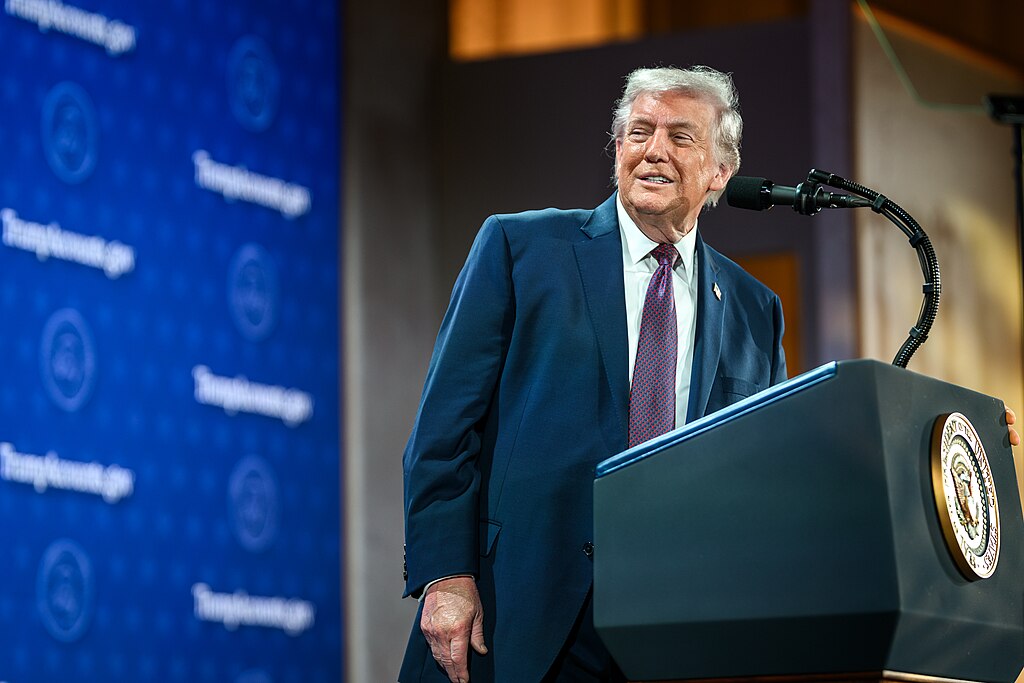
The United States has launched a naval blockade of Iranian ports, President Donald Trump announced Monday, dramatically escalating tensions following the collapse of weekend peace negotiations in Islamabad. The move sent oil prices surging back to $100 per barrel, raising fresh alarms over global energy security.
Trump confirmed that Iran had reached out expressing interest in a deal but made clear that Washington would not accept any agreement permitting Tehran to develop nuclear weapons. "Iran will not have a nuclear weapon," the president stated firmly, framing the standoff as a matter of global security rather than regional politics.
The blockade targets Iranian ports in the Gulf and Gulf of Oman, though U.S. Central Command clarified that neutral vessels transiting the Strait of Hormuz toward non-Iranian destinations would not be impeded. Iran, which has effectively shut the strait to non-compliant ships since the war began February 28, condemned the measure as an act of piracy and warned that any threat to its ports would put all Gulf ports at risk.
Despite the breakdown in direct U.S.-Iran talks — the highest-level engagement between the two countries since the 1979 Islamic Revolution — Vice President JD Vance described the Islamabad sessions as productive, saying Iran "moved in our direction," though not far enough. Key sticking points include the removal of enriched nuclear material from Iranian soil and an independent verification mechanism.
A ceasefire that paused American and Israeli airstrikes has just one week remaining, and its survival looks increasingly uncertain. Israel has continued striking Lebanon, while Iran has demanded reparations from Gulf states it accuses of facilitating the war.
NATO allies, including the UK and France, declined to join the blockade, urging diplomatic solutions to restore oil flows through one of the world's most critical energy corridors.







